Answering the common buyer question: which fiberglass reinforced plastic products deliver strong, durable repairs across DIY, automotive, and marine projects? This guide highlights five practical options, explaining who they’re best for, how they perform, and any important limits. Ideal for hobbyists, boat owners, and occasional professionals seeking reliable patching, filler, and reinforcement solutions.
| Product | ||
|---|---|---|
| 3M Bondo Short Strand Fiberglass Reinforced Filler | Fiberglass reinforced filler with hardener | Small holes and dent repair on metal and composite surfaces |
| Evercoat Everglass Short Strand Fiberglass Reinforced Filler | Waterproof fiberglass reinforced filler | Durable repairs on holes, rusted metal, and seams |
| Gator Patch Fiberglass Reinforced Repair Patch | Peel-and-stick fiberglass patch kit | Marine hulls, kayaks, boats, and other watercraft |
| TotalBoat Polyester Structural Repair Putty | Long-strand fiberglass reinforced putty | Structural bonds on boats and laminates |
| UPTTHOW Fiberglass for Cement Mortar | Fiberglass additive for cement and mortar | Reinforced concrete walls, basements, and exterior areas |
3M Bondo Short Strand Filler With Hardener

The 3M Bondo product combines fiberglass strands with a resin-infused filler to improve strength for small repairs. It is designed to cover holes up to ½ inch without backing strips. This makes it suitable for minor body work on metal or certain composites. Best for: DIY enthusiasts repairing small dents and holes where a simple, fast-setting patch is needed. Limitation: not intended for large structural repairs or high-load applications.
Evercoat Everglass Short Strand Filler

Evercoat Everglass offers a waterproof, fiberglass reinforced filler with short strand reinforcement. It’s designed for durability in repairs involving rusted metal, body seams, and damaged fiberglass surfaces. Best for: users needing a robust, water-resistant patch for marine or automotive body jobs. Limitation: as a filler, it works best with proper surface prep and may require sanding between coats for a smooth finish.
Gator Patch Fiberglass Reinforced Repair Patch

This peel-and-stick patch kit uses polyester resin and fiberglass for a watertight, 500 PSI strong repair. It’s particularly suited for watercraft like kayaks and small boats, and can be sanded and painted to match. Best for: quick, on-water repairs or patching holes without messy mixing. Limitation: surface prep and sun-curing time are essential for maximum bond strength.
TotalBoat Polyester Structural Repair Putty

TotalBoat’s putty blends premium polyester resin with long strand fiberglass for high-strength, structural filling. It’s designed for bonding, bedding, and radius forming on boats, decks, stringers, and hulls. Best for: projects requiring a durable, field-mixable repair putty with extended working time. Limitation: catalyst amounts control working time; misjudging mixing may affect cure and performance.
UPTTHOW Fiberglass Reinforcement For Cement
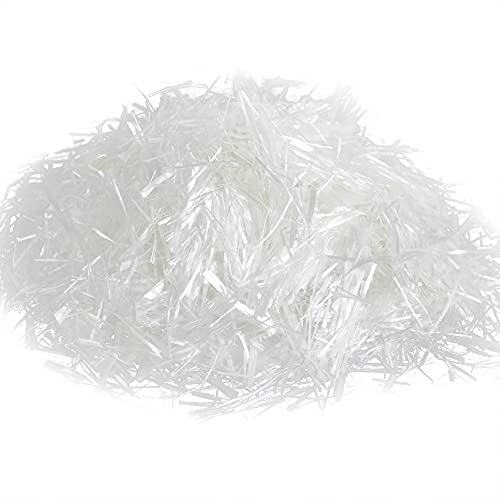
UPTTHOW provides fiberglass reinforcement designed to enhance cement and mortar projects. The fibers help inhibit cracking and improve impact resistance, making it suitable for basements and exterior walls. Best for: builders and DIYers seeking increased toughness in cement-based repairs. Limitation: primarily a blended additive rather than a standalone patch; needs proper mixing with cement.
Buying Guide: Key Purchase Considerations
What should you evaluate before buying fiberglass reinforced products?
- Application type: Is the repair decorative or structural? Filler products (Bondo, Everglass) suit surface repair; patch kits (Gator Patch) suit quick fixes; putty and cement reinforcement address larger structural needs.
- Material compatibility: Confirm whether you’re repairing metal, fiberglass, wood, or concrete, and pick a product formulated for that substrate.
- Bond strength and waterproofing: For marine use, prioritize waterproof or water-resistant formulations and patch strength ratings implied by the fiberglass content.
- Working time and cure: Some products offer longer working times; others cure quickly. Consider your project pace and climate conditions.
- Ease of application: Peel-and-stick patches require less prep, while putties and fillers may demand sanding and finishing.
- Surface prep needs: Proper cleaning, roughening, and priming often determine the final repair’s durability.
Practical Tips for Choosing The Right Product
- For quick, small cosmetic fixes on metal or fiberglass: choose a short strand filler like Bondo or Everglass with built-in strength.
- For marine repairs where water exposure is constant: prefer waterproof formulations and ready-to-apply patches like Gator Patch.
- For larger structural repairs on boats or laminates: TotalBoat putty provides a sturdy, bondable filler with long strand reinforcement.
- When repairing concrete or masonry: use cement-compatible fiberglass additives to reduce cracking risk.
Frequently Asked Questions
- What is fiberglass reinforced filler best used for? It strengthens repairs by embedding fiberglass strands into the resin, improving tensile and impact resistance for holes, dents, and seams.
- Can I use these on automobiles? Yes, fillers and patches can repair body panels and seams, but ensure compatibility with vehicle paints and proper surface prep.
- Do I need backing strips for holes? Some products are designed to bridge holes up to ½ inch without backing strips, while larger openings may require backing materials.
- Is marine use safe for all products? Only choose products labeled waterproof or designed for marine use when exposed to water or salt.
- How do I cure putty or filler properly? Mix according to the product’s guidance, apply evenly, and allow adequate curing time in proper temperature conditions.
- Are these products compatible with wood and metal? Many are formulated for multiple substrates, but always check the product data sheet for substrate compatibility.
Add a Comment