Access reliable, easy-to-repair vertical shaft gas engines suited for lawn mowers, powered tillers, or small machinery. This guide highlights engines ideal for DIY projects, mower replacements, or small-ride-on upgrades. It explains who benefits most from each option and why each engine was selected. The top picks emphasize durability, common mounting patterns, and straightforward maintenance for American shoppers.
| Product | Brand | Engine Type | Key Benefit | Best For |
|---|---|---|---|---|
| Aceup Energy 4.4HP 173cc | Aceup Energy | 4-stroke vertical shaft | Primer-assisted starting and compact 0.9 gal tank | Small mowers, light-duty DIY projects |
| Briggs & Stratton 21R707-0130 | Briggs & Stratton | 10.5 HP, 344cc vertical shaft | Dura-Bore sleeve and float carburetor | Medium-duty lawn equipment with easy starts |
| Briggs & Stratton 44S977-0033-G1 | Briggs & Stratton | 25 GHP vertical shaft | Electric start with durable OHV design | Higher-powered lawn equipment |
| Briggs & Stratton 104M02-0197 | Briggs & Stratton | 163cc vertical shaft | Flywheel brake system and clutch-ready design | Push mowers requiring a reliable starter |
| Kawasaki 24hp, 726cc | Kawasaki | OHV V-Twin, vertical shaft | High power, common replacement engine | Lawn tractors and larger equipment |
Aceup Energy 4.4HP Vertical Shaft Engine

The Aceup Energy 4.4HP 173cc vertical shaft engine is a compact 4-stroke, air-cooled OHV design with a recoil starter and a primer-enrichment system. It features a 0.9-gallon fuel tank and a 7/8″ shaft diameter with a 3/8″-24 UNF end tapped, plus a 3/16″ keyway for secure mounting. This engine is best for small-to-midload mowing tasks, light-duty equipment, and DIY projects where space is limited.
Who it’s best for: homeowners or hobbyists replacing small mower engines or creating compact outdoor power solutions. Why selected: it offers a lightweight add-on with straightforward priming and a compact fuel capacity suitable for short operation windows.
Caution: max torque specification is modest (8.5 N.m at 2500 RPM), so avoid heavy-duty industrial loads beyond recommended RPM bands.
Briggs & Stratton 21R707-0130 Vertical Engine

This 10.5 HP 344cc vertical shaft Briggs & Stratton engine emphasizes longevity with a Dura-Bore cast iron cylinder sleeve and a patented linear balancing system for smoother operation. It also offers electric start compatibility (9 amp) for easy startup in varied conditions. Best for mid-range mowing or garden machinery that benefits from smoother performance and reliable ignition.
Who it’s best for: users needing a robust, easier-starting engine for mid-size lawn equipment. Why selected: the durability features and smoother operation make it a reliable upgrade over basic vertical shafts.
Caution: electric start requires proper wiring and electrical compatibility with existing equipment.
Briggs & Stratton 44S977-0033-G1 Vertical Engine

The 25 GHP Briggs & Stratton vertical shaft engine uses OHV technology with a dura-bore cast iron sleeve and a full-pressure lubrication system. Its electric-start option (16 amp alternator) supports modern equipment that relies on consistent power. This engine is well-suited for larger lawn equipment and heavier mowing tasks.
Who it’s best for: homeowners upgrading mid-to-high-power lawn equipment or yard tools that need dependable cold-start performance. Why selected: its combination of power, durable sleeve, and electric-start capability makes it versatile for demanding uses.
Caution: higher power output may require more robust mounting and cooling provisions in tight spaces.
Briggs & Stratton 104M02-0197 Vertical Engine

This 163cc Briggs & Stratton vertical shaft engine targets push mowers with a flywheel brake system and a keyed crankshaft. The 7/8″ x 3-5/32″ shaft ensures compatibility with common mower drivetrains, while its flywheel brake feature supports safety and engine control. The engine is designed for push mower applications that require reliable starting and braking integration.
Who it’s best for: DIY mower projects or replacements in push mowers with a flywheel brake system. Why selected: the engine’s compatibility and braking feature are practical for common mower designs.
Caution: release the flywheel brake correctly to ensure the engine functions as intended.
Kawasaki 24hp Vertical Shaft Engine
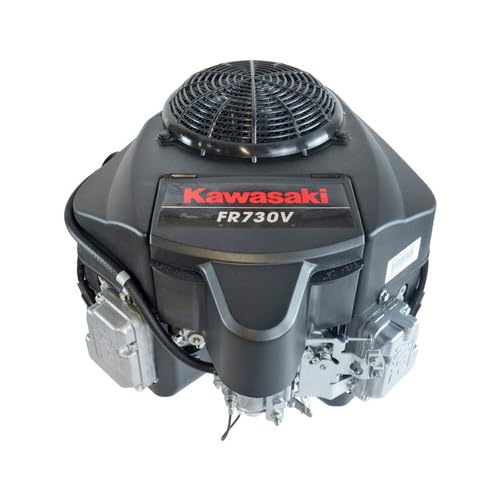
The Kawasaki 24hp vertical shaft engine delivers strong power with a 726cc OHV V-Twin design. It features a 1″ x 3-5/32″ shaft with 7/16″ tapped and 1/4″ keyway for secure attachment. This engine is a common replacement choice for consumer riding mowers and z-turns that require high horsepower and reliable operation.
Who it’s best for: larger lawn tractors and heavy-duty mowing tasks. Why selected: high horsepower and proven Kawasaki reliability make it a solid engine for demanding equipment.
Caution: ensure mounting compatibility and cooling clearance when installing in compact machines.
Buying Guide
- Power needs: Match horsepower and displacement to the equipment’s load. For small mowers or tillers, 3–6 HP engines are often sufficient; larger deck machines or tractors may require 10–24 HP or more.
- Shaft size and mounting: Verify shaft diameter (commonly 7/8″) and length, as well as keyway and mounting patterns to ensure a proper fit with existing pulleys and couplings.
- Fuel system and starting: Primer-start, electric start, and choke type affect startup reliability in cold or damp conditions. Consider a recoil-start option for simplicity or an electric-start system for convenience.
- Cooling and durability: Air-cooled OHV designs with durable cylinder sleeves (like cast iron sleeves) help longevity and cooler operation for longer life in hot climates.
- Fuel tank capacity: A larger tank reduces refueling frequency during mowing sessions. Consider operating time and fuel availability in your area.
- Maintenance accessibility: Easy access to spark plugs, air filters, and fuel lines reduces downtime. Look for engines with simple serviceable components.
- Compatibility considerations: Check blade, pulley, and belt alignment with your mower or equipment to ensure a smooth installation.
- Warranty and support: Choose brands with widely available parts and documented service networks for quicker repairs and replacements.
What to compare at a glance
- Best for light tasks: Aceup Energy 4.4HP ideal for compact mowers and DIY projects.
- Best for easy starts: Briggs & Stratton 21R707-0130 with durable sleeve and smoother operation.
- Best for high power: Kawasaki 24hp for large equipment and riding mowers.
- Best for push mowers: Briggs & Stratton 104M02-0197 with flywheel brake compatibility.
- Best overall durability: Briggs & Stratton 44S977-0033-G1 with electric start option and OHV.
FAQ
- What is a vertical shaft engine best used for?
They are designed to drive blades and attachments on lawn mowers, tillers, and some small tractors where the output shaft aligns vertically with a pulley or gear system.
- How do I know if a replacement engine will fit my mower?
Check the shaft diameter and length, end tap threading, keyway size, mounting pattern, and electrical compatibility with the original engine.
- Is electric start required for a vertical shaft engine?
No, but it improves starting ease, especially in cold weather or after long storage. Recoil starts are common on smaller engines.
- What maintenance matters most for vertical shaft engines?
Regular air filter cleaning/replacement, spark plug maintenance, proper oil lubrication, and ensuring the fuel system remains clean to prevent starting issues.
- Can I run these engines on standard gasoline?
Most engines in this category use typical retail gasoline, but always verify the manufacturer’s fuel requirements and octane recommendations.
- Are there safety considerations when replacing an engine?
Ensure proper mounting, wiring (for electric starts), and safe exhaust routing. Follow local regulations for emissions and disposal of old engines.
Add a Comment