Temporary fall protection anchors provide portable, reusable points to connect harnesses during roofing and elevated work. This guide highlights top options ideal for different job types, from residential roofing to industrial projects. Each selection includes who it’s best for, practical use notes, and a clear comparison to help you choose the right anchor system for your needs. The following picks emphasize compliance, ease of use, and reliability in real-world work environments.
| Product | Best For | Why It Stands Out |
|---|---|---|
| Malta Dynamics Reusable Roof Anchor | Residential and light commercial roof work | ANSI/OSHA compliant with durable aluminum construction and up to 12/12 pitches |
| Peakworks Temporary Roof Anchor Bracket (Red Steel) | Versatile, quick-install bracket for varied jobs | Durable, clearly identified, 5,000 lb tensile strength, single D-ring design |
| Palmer Safety Reusable Temporary Steel Roof Anchor Bracket | Professional projects needing a full service safety partner | High-strength alloy steel, powder-coated or zinc-plated finish |
| CGENWDCH Window/Door Frame Non-Penetration Anchor | Non-penetration work on frames and openings | Non-penetration design with 5,000 lb beam strength; adjustable width |
| Peakworks Temporary Roof Anchor Bracket (Stainless Steel) | Corrosion-resistant, long-term exterior use | Stainless steel construction with 5,000 lb tensile strength; hinged D-rings |
Introduction end. This table provides a quick snapshot to compare top options and helps you quickly gauge which anchor best fits your work site and safety requirements.
Malta Dynamics Reusable Roof Anchor

The Malta Dynamics anchor is built to ANSI Z359.18-2017, ANSI A10.31-12, and OSHA 1926 Subpart M standards. It uses durable zinc-plated alloy steel construction designed for heavy duty use on residential and commercial roofs. It supports pitches up to 12/12. This option is best for contractors needing a compliant, lightweight anchor with solid breaking strength for frequent roof access. A potential limitation is that installation may require precise anchorage alignment on varied roof profiles.
Best for: Roofers performing regular residential or light commercial projects who prioritize compliance and a lightweight, easy-to-handle anchor.
Limitations: Not ideal for extremely complex roof geometries where alignment is difficult or for work beyond 12/12 pitches without verifying compatibility.
Peakworks Temporary Roof Anchor Bracket
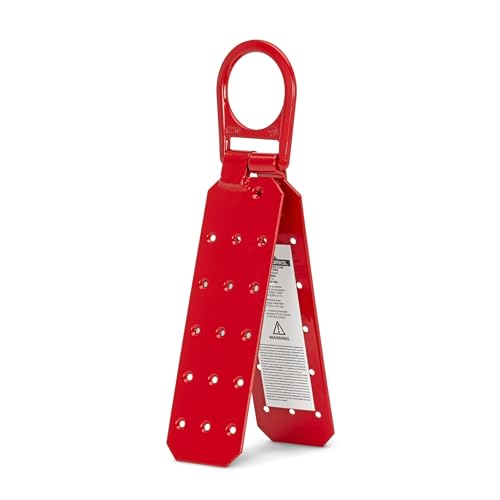
Peakworks’ Roof Anchor Bracket is designed as part of a personal fall arrest system. It features a minimum tensile strength of 5,000 lb and a safe-use weight limit of 310 lb. The bracket is powder-coated red for quick identification and rust resistance. It’s well-suited for residential or commercial roofing tasks requiring a clearly defined anchor point and straightforward installation. A limitation to note is that this bracket requires a compatible personal fall arrest system with components like a harness and connectors.
Best for: Projects needing a clearly identifiable, rugged bracket with straightforward installation and a reliable 5,000 lb strength.
Limitations: Requires compatible components to complete a full fall arrest system and may not be a standalone anchor solution for all setups.
Palmer Safety Reusable Temporary Steel Roof Anchor Bracket

Palmer Safety emphasizes its role as a safety training and equipment provider. The anchor uses high-strength alloy steel with a protective finish (powder coating or zinc plating). It serves industrial and construction environments where reliability and a robust support point are crucial. The product is described as part of a full safety package, which suggests it pairs with comprehensive training resources. A caveat is that product specifics like weight limits or exact installation methods are not fully detailed in the listing.
Best for: Work sites needing a durable, professional-grade anchor bracket with strong after-sales safety support.
Limitations: Some installation specifics and compatibility details may require additional guidance or accompanying safety materials.
CGENWDCH Window/Door Frame Non-Penetration Anchor
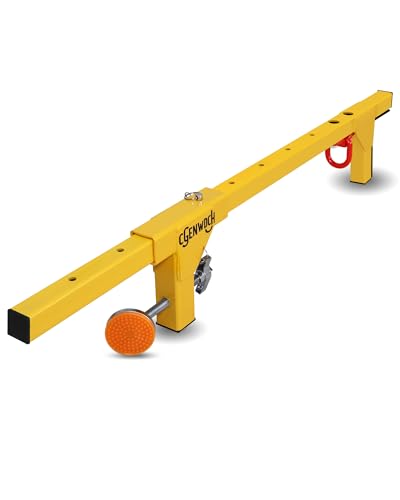
This non-penetration anchor uses a pull ring able to handle about 300 pounds of load, while the beam strength is rated at 5,000 pounds. It’s adjustable for door/window frames from 16 to 43 inches and enables quick, tool-free installation without modifying the frame. The design suits exterior wall work and temporary repairs where preserving the building’s integrity is important. A potential limitation is that the 300-pound pull ring load may not cover all heavy tool or gear scenarios.
Best for: Exterior window or door frame work where drilling is undesirable and non-penetration installation matters most.
Limitations: The usable load for personal fall arrest components should be aligned with your full system requirements to ensure adequate safety margins.
Peakworks Temporary Roof Anchor Bracket – Stainless Steel
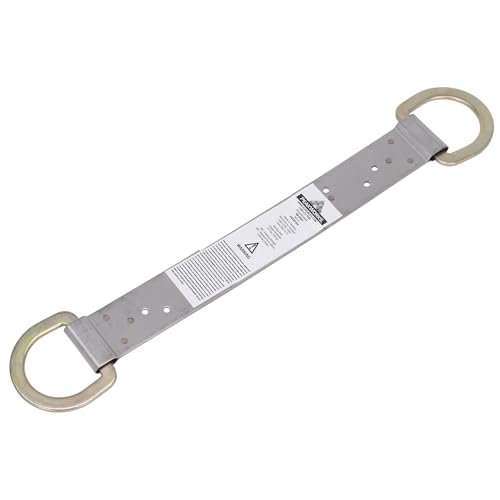
This stainless steel version of Peakworks’ roof anchor bracket provides corrosion resistance and endurance in harsh weather. It retains the same 5,000 lb minimum tensile strength and a 310 lb user weight limit. Hinged D-rings on both ends facilitate use on both sides of a roof, broadening applicability for residential and commercial work. A limitation is the higher material cost often associated with stainless steel options.
Best for: Exterior, long-term use or environments with higher exposure to moisture and corrosive elements.
Buying Guide
What should I look for in a temporary fall protection anchor?
Key factors include compliance with safety standards (OSHA, ANSI), minimum breaking strength (ideally 5,000 lb or more), and the intended installation method (penetration vs. non-penetration). Choose anchors that suit your roof type, slope, and anchor point location to ensure reliable protection.
Are non-penetration anchors safer than penetrative anchors?
Non-penetration anchors avoid drilling into the structure, reducing potential damage and preserving building integrity. They are advantageous for window frames, parapets, or when reusing anchors across multiple locations. However, ensure the frame or surface can sustain the required load and that the installation method aligns with the project’s safety plan.
Which materials matter most?
Durability and corrosion resistance are essential for outdoor use. Aluminum, stainless steel, and coated steel offer different balances of weight, cost, and longevity. Stainless steel excels in moisture-prone environments, while aluminum is lighter and easier to handle on lighter projects.
How do I choose between brackets and standalone anchors?
Brackets provide a defined anchor point and can be quick to deploy on multiple sites. Standalone anchors are best when a single, dedicated anchor point is required or when work involves multiple surfaces where a bracket would be impractical. Consider the site layout and required redundancy in your fall protection plan.
What about installation and training?
Ensure workers receive proper training for anchor installation, inspection, and use. The best products are accompanied by clear installation guidelines and compatible components for a full fall arrest system, including harnesses and lanyards. Regular inspection before use is essential for maintaining safety margins.
How do I compare options quickly?
Create a simple decision matrix based on: intended work type (residential vs. industrial), surface compatibility (penetration vs. non-penetration), material durability, and required connection points. This helps you select a solution that balances practicality, safety, and cost.
FAQ
- What is a temporary roof anchor used for?
A temporary roof anchor provides a connection point for fall arrest systems during roofing and elevated work. It supports worker safety by enabling a secure restraint or lanyard attachment.
- What does a 5,000 lb tensile strength mean in practice?
It indicates the anchor’s ability to withstand a force of up to 5,000 pounds during a fall event, ensuring a high safety margin for a typical worker.
- Are non-penetrating anchors safer for buildings?
They reduce structural modification and preserve the building’s integrity, but must be correctly sized and installed for the expected loads.
- Do I need training to use these anchors?
Yes. Proper training on installation, inspection, and use of the fall protection system is essential for safety and compliance.
- Can these anchors be reused on multiple projects?
Yes, many are designed to be reusable. Check the manufacturer’s guidelines for reinstallation and inspection requirements.
Add a Comment