Temporary cold storage units provide flexible, portable cooling for short-term use at events, markets, hotels, and outdoor catering. This guide highlights five practical options, detailing who they’re best for and why they stand out. Whether you need rapid deployment, compact footprints, or rugged outdoor performance, these picks help keep ingredients, perishables, and frozen goods at safe temperatures during temporary operations.
| Product | Best For | Key Benefit |
|---|---|---|
| Mobile Cold Storage Container, 0°C to 10°C | Restaurants, hotels, and catering services needing versatile temp control | Universal 0–10°C zone for fresh ingredients and perishables |
| Outdoor Walk-In Freezer -10°F | Outdoor events, pop-up kitchens, and seasonal setups | All-weather storage with remote refrigeration |
| 40FT Mobile Freezer Container, -18°C to -25°C | Seafood, meat and frozen goods during transit or temporary warehousing | Deep-freeze performance for bulk cold storage |
| Compact Mobile Reefer Storage Trailer | Small catering teams and food truck operations | Space-saving, towable unit with lockable door |
| Epoxy Floor Patch for Cold Storage | Maintenance for existing cold storage floors | Durable patching and repair in sub-zero environments |
Mobile Cold Storage Container 0°C to 10°C

Best for versatile fresh-keeping at a controllable 0–10°C range. This unit is suitable for supermarkets, hotels, and catering services that require a portable, temporary cold room for ingredients and pre-made foods. The supplier notes full customization to fit specific needs, which is helpful for operators with unique space constraints or set-up requirements. A potential limitation is that pricing may vary with customization and project scope.
Outdoor Walk-In Freezer -10°F
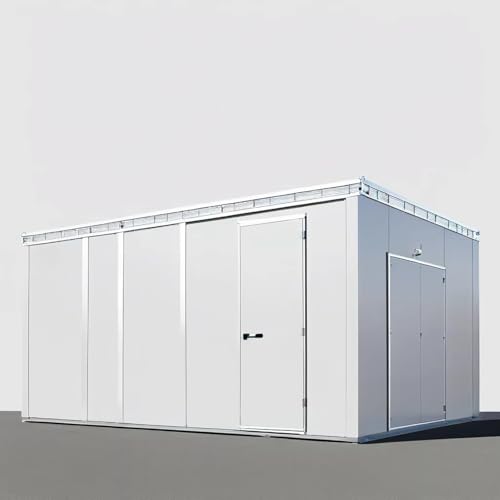
Best for all-weather outdoor setups needing a rugged walk-in freezer. The unit features weatherproof exterior and remote refrigeration, making it suitable for restaurants, grocery pop-ups, and butcher shops that operate outside. It’s quick to assemble and space-efficient for limited sites. A caution: professional installation and service planning are advisable, given the remote refrigeration components.
40FT Mobile Freezer Container

Best for bulk cold storage during port transit, seafood, meat, and other frozen goods requirements. The unit offers deep freeze performance at -18°C to -25°C with rapid deployment and high mobility, adaptable to land and sea transportation. A potential limitation is higher initial setup complexity and space needs; this unit is best for operations with recurring or predictable cold storage bursts.
Compact Mobile Reefer Storage Trailer

Best for small catering teams and food truck businesses needing a portable, lockable cold storage solution. Its space-saving 10-foot footprint fits narrow driveways and limited parking, with a reinforced insulated door for security. A limitation: the compact size restricts the overall storage volume, so plan inventory accordingly.
Epoxy Floor Patch for Cold Storage
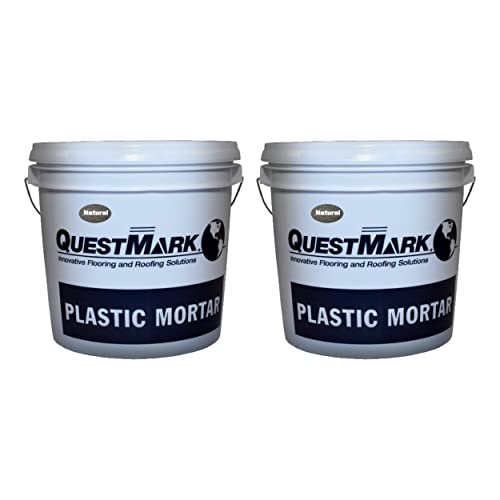
Best for maintenance of existing cold storage facilities. This epoxy concrete patch is designed for sub-zero applications, providing durable bonding, chemical resistance, and robust performance under heavy forklift traffic. Best used as a quick repair option to restore floor integrity during temporary storage projects. A caution: follow cure and application guidelines to ensure proper adhesion.
Buying Guide
How do I pick the right temporary cold storage unit?
- Define purpose: Fresh storage (0–10°C) versus deep freeze (-18°C to -25°C). Choose a unit that matches your target temperature range.
- Consider deployment speed: Do you need plug-and-play ease or can you accommodate a longer setup for custom builds?
- Evaluate space and mobility: Will you operate in tight urban sites, or require a trailer for mobile events? Measure access points and parking constraints.
- Assess power and maintenance: Are there reliable power sources on-site? Ensure remote units come with appropriate safeguards and restart features to minimize downtime.
- Security and access: Do you need lockable doors or extra security features for high-value goods?
- Durability for weather: For outdoor use, prioritize weatherproof enclosures and robust insulation to withstand temperature swings.
- Flooring and surface needs: If you’re retrofitting an existing space, plan for floor repair solutions to prevent temperature loss and ensure safety.
Practical considerations
- Customization options: Some manufacturers offer full customization to fit unique site constraints and workflows.
- Transportation compatibility: Consider units designed for road, rail, or sea transport depending on your logistics needs.
- Temporary vs. long-term use: Clarify the expected duration of use to balance upfront cost against operational flexibility.
Comparison snapshot
- Best for versatility: Mobile Cold Storage Container (0–10°C) provides flexible temp control for fresh ingredients.
- Best for outdoor events: Outdoor Walk-In Freezer offers weatherproof performance and remote refrigeration.
- Best for bulk frozen goods: 40FT Mobile Freezer Container handles deep freezing and high-volume storage.
- Best for tight spaces: Compact Mobile Reefer Storage Trailer fits narrow drives and small operations.
- Best for floor maintenance: Epoxy Floor Patch ensures cold storage floors stay intact in sub-zero environments.
FAQ
- What temperature ranges are typical for temporary cold storage units?
Most units cover ambient to low ranges like 0–10°C, with some deep-freeze options reaching -18°C to -25°C. - Can these units be customized for my site?
Yes, several manufacturers offer full customization to fit specific space, workflow, or climate needs. - Are these units suitable for outdoor use?
Outdoor-ready models include weatherproof exteriors and remote refrigeration to cope with temperature and humidity. - Do I need professional installation?
Some units are plug-and-play, while others require technical setup or professional installation for best performance. - How should I choose between a walk-in freezer and a portable container?
Walk-ins are ideal for frequent access and larger volumes; portable containers suit temporary events and space-limited sites. - Is there maintenance required for epoxy patches in cold storage?
Epoxy patches require proper curing and surface preparation to ensure lasting adhesion and performance.
Add a Comment