If you need reliable supplied air for extended wear in dusty, chemical, or paint environments, a dedicated supplied air respirator (SAR) system is essential. This guide highlights five solid choices that balance comfort, filtration, and portability. The top picks are suited for one- or two-person use, industrial settings, and tasks that demand continuous airflow. Below you’ll find quick product comparisons and practical buying considerations to help you choose.
| Product | Type | Best For | Key Benefit |
|---|---|---|---|
| Allegro 9200-01 | Single-Walker Full Mask | One-user applications | Comprehensive single-user system with 50’ hose |
| HANUU Reusable PAPR | Portable PAPR Respirator | All-day comfort | Food-grade silicone and large-view shield |
| HANUU High-Efficiency PAPR | PAPR System | High airflow & long shifts | Up to 170 L/min, triple filtration |
| Allegro 9200-02 | Two-Person Full Face Piece | Two workers | Two full masks with 50’ hose |
| 3M TR-300N+ Kit | Versaflo PAPR Kit | Industrial use | All-in-one with hard hat assembly |
Allegro 9200-01 One Worker Supplied Air System

- Includes full mask respirator, ¼ HP oil-less rotary vane pump, and 50’ air hose for low-pressure air delivery.
- Mask is hypoallergenic silicone, chemical- and ozone-resistant with replaceable lens and removable hairnet.
- Down tube with 90° elbow and quick-connect for smooth, unrestricted airflow during extended wear.
Best for: Solo users needing a compact, ready-to-use SAR system for steady air supply. Limitation: One-person setup may limit redundancy in multi-operator environments.
HANUU Reusable PAPR Respirator System

- Gas mask with food-grade silicone faceseal and large anti-fog polycarbonate face shield.
- Equipped with a 40mm activated carbon filter for dust, vapors, and paints.
- Includes a blower for fresh air and comfortable wear over long periods.
Best for: Users needing enhanced comfort with a reusable PAPR and carbon filtration. Limitation: Data notes multiple filter options; verify compatibility with tasks.
HANUU High-Efficiency PAPR System

- 12W motor with adjustable airflow up to 170 L/min; stepless control to prevent fogging.
- Up to 10 hours of use per charge with a 4.5-hour recharge for productivity.
- Three 40mm filter ports provide triple filtration for chemicals, particulates, and gases.
Best for: Long shifts in welding, painting, or chemical work where consistent airflow matters. Limitation: Higher complexity may require setup familiarity.
Allegro 9200-02 Two Man Full Face Piece
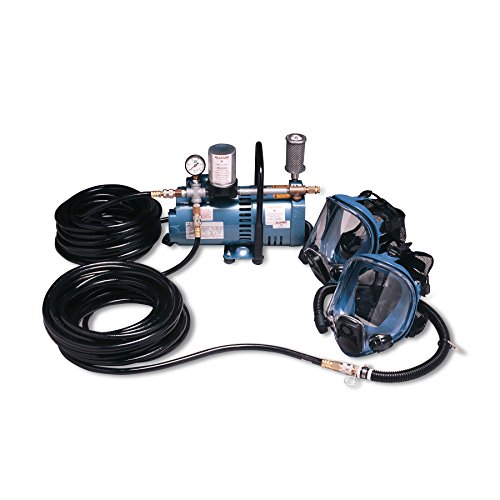
- Two full-face masks with a 50’ hose; ¾ HP oil-less rotary vane pump for reliable air.
- Hypoallergenic silicone masks, ozone- and chemical-resistant, with replaceable lenses.
- Down tube ergonomics designed for comfortable extended wear.
Best for: Shared SAR use in small teams or two-operator tasks. Limitation: Bulkier than single-operator systems.
3M TR-300N+ Versaflo PAPR Kit
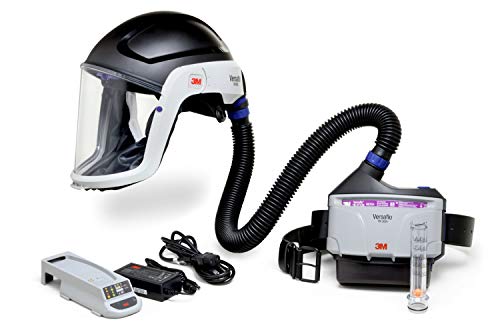
- All-in-one respiratory hard hat assembly, PAPR unit, battery, charger, and accessories.
- NIOSH-approved system with simple one-button operation and QRS connections for quick setup.
- Not intended for vapors or gases; best for particulates in industrial environments.
Best for: Industrial settings requiring compliant, ready-to-run PAPR with hard hat integration. Limitation: Not suited for volatile vapors without additional filtration.
Buying Guide: Key Considerations for Supplied Air Respirator Systems
- Air source and hose length: Longer hoses increase mobility but add weight and potential air-delivery resistance. Choose based on workspace size and task distance from the air source.
- Mask type: Full-face masks provide eye protection and better seal for chemicals, while half-face options are lighter. Silicone materials improve comfort and longevity but may cost more.
- Filtration and filtration ports: Systems with multiple 40mm filter ports enable triple filtration. Verify the filtration compatibility with the expected contaminants (dust, paint fumes, solvents).
- Powered vs. non-powered: PAPR-based SARs reduce breathing effort and heat buildup but require batteries and charging. Non-powered systems rely on pump integrity for air delivery.
- Comfort and wear duration: Look for adjustable headgear, cushioned straps, and anti-fog face shields for longer tasks. Weight distribution matters for extended wear.
- Applications and certifications: Ensure the system aligns with your work’s particulates, vapors, and regulatory requirements. NIOSH approvals and manufacturer guidance are important references.
- Maintenance and parts availability: Check the availability of replacement filters, seals, hoses, and masks. Readiness of spare parts reduces downtime.
Frequently Asked Questions
- What is a supplied air respirator system best used for? – SAR systems provide a continuous air supply to protect against particulates, fumes, and gases in industrial environments.
- What should I consider when choosing between single-operator and two-operator SARs? – Single-operator units are lighter and simpler; two-operator systems are ideal for teams or shared tasks but are bulkier.
- Do PAPR-based SARs require charging? – Yes, many PAPRs include rechargeable batteries and require periodic charging for continuous use.
- Are all SARs suitable for vapors and gases? – Not all; some are designed for particulates only or require additional gas/chemical filters. Always verify filter compatibility.
- How important is mask material? – Silicone masks offer comfort and durability, especially in long wear, but their cost can be higher than alternative elastomer materials.
- What maintenance is needed for SARs? – Regularly replace filters, inspect hoses and connectors, clean masks, and follow manufacturer maintenance schedules.
Add a Comment