Need reliable suction hose firefighting gear to respond quickly to fires at home or in small facilities? This guide highlights five airtight, pump-ready options and related adapters designed to help draw water from pools, totes, or ponds. Each selection targets specific use cases—from portable pump systems ideal for homeowners and cabin preps to trash pumps suited for debris-filled environments. Read on to compare suitability, limitations, and best-use scenarios to match your safety needs.
| Product | Best For | Why It Stands Out |
|---|---|---|
| Portable Gas Powered High Pressure Pool Fire Pump & Hose Wildfire Defense System for Home FireFighting | Homeowners needing a ready-to-run pump with long hose reach | High pressure, sizable flow, includes long suction and discharge hoses |
| Home Firefighting HF-S14C-150A-KES Pool Fire Pump Cart System | Compact, cart-mounted setups for property perimeters | USFS-type hose and dedicated nozzle options for fog/stream |
| Gasoline Powered Trash Pump 2 inch, 7HP | Rugged environments with debris and irrigation needs | Durable pump body with impeller designed for solids |
| 1 Inch IBC Tote Tank Drain Adapter | Connecting hoses to water storage totes | Easy adapter to integrate IBC totes into a firefighting loop |
| Hamwesh IBC Lid, DN150 | Secure, reusable IBC lid for storage and firefighting setups | Standard threaded compatibility and durable construction |
Portable Gas Powered High Pressure Pool Fire Pump & Hose Wildfire Defense System

This is a mobile, engine-driven pump package designed for rapid deployment around homes or small properties. Best for homeowners who want a standalone unit ready to connect to a long hose system and supply source. It includes a 6.5 HP Honda GX-200 engine, 300 ft of total head, 142 PSI, 97 GPM, and long hose runs for reach in yard or pool setups. A potential limitation is weight and fuel dependency in remote locations, which can affect mobility and runtime.
Who this is best for: Homeowners needing a high-flow solution with long reach, capable of firefighting with a dedicated suction and discharge setup.
- Engine: 6.5 HP Honda GX-200
- Discharge/Flow: 97 GPM
- Max Head: 300 ft
- Suction Height: 20 ft
- Included hose: 100 ft of 1-1/2″ fire hose, 12 ft of 2″ suction hose
Consider this if you need a stand-alone portable system with substantial static head and a long suction line for variable water sources.
Caution: Refueling and starting procedures require proper outdoor ventilation and operator training to avoid hazards.
Home Firefighting HF-S14C-150A-KES Cart System

This cart-based pool firefighting pump setup combines mobility with a compact footprint. Best for property owners who prefer a portable cart and a ready-to-deploy system. It includes a 14 hp Kohler/Davey pump, a 100 ft USFS Type II forestry hose, and a 16 ft suction hose with a brass foot valve strainer. It’s well-suited for perimeters and smaller incidents but may be heavier to move over rough terrain.
Best for: Property owners who want a cart-mounted option with forestry-style hose for spread control and fog/stream options.
- Pump: 14 hp Kohler/Davey
- Hose: 100′ USFS Type II forestry hose
- Suction: 16′ with brass foot valve
Limitations: Cart weight and maneuverability may be challenging on uneven ground; ensure routes are pre-mapped for quick access.
Gasoline Powered Trash Pump 2 Inch (7HP)
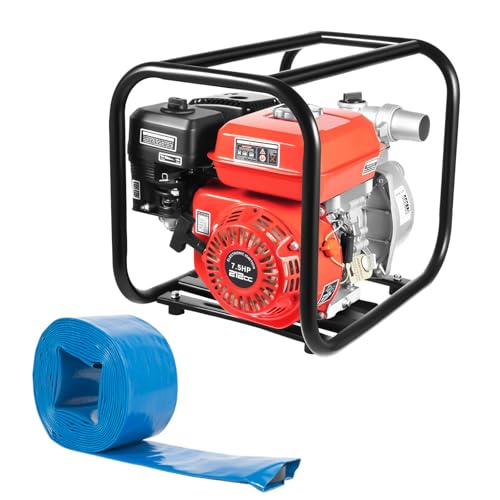
This 2-inch trash pump handles solids and debris, making it suitable for drainage, irrigation, or ground cleanup where water and debris are present. Best for environments where clog resistance matters and a robust aluminum-alloy pump body with a durable impeller is prized. Fluid handling up to 264 GPM with 26 ft suction helps clear water efficiently, but the unit’s weight and noise may be considerations for residential use.
Who this is for: Users needing a pump capable of moving water with particulates or debris without frequent clogging.
- Flow: Up to 264 GPM
- Suction: 26 ft
- Displacement: 212cc engine
Choose this if you expect debris in the water source and need robust performance in harsh environments.
Caution: Verify local noise restrictions and ensure safe operation in outdoor environments with clear ventilation.
1 Inch IBC Tote Tank Drain Adapter

This adapter enables connecting hoses to IBC totes or similar storage containers. Best for users who want to repurpose water storage in a firefighting setup. The primary benefit is convenient, quick coupling to standard IBC valves, reducing time to deploy water in emergencies.
Who this is for: People using IBC totes as water sources for suction and transfer in firefighting scenarios.
- Standard IBC compatibility
- Multi-use for hose connections
Caution: Ensure valve sizing matches your tote and that seals remain intact to prevent leaks during deployment.
Hamwesh IBC Lid, DN150
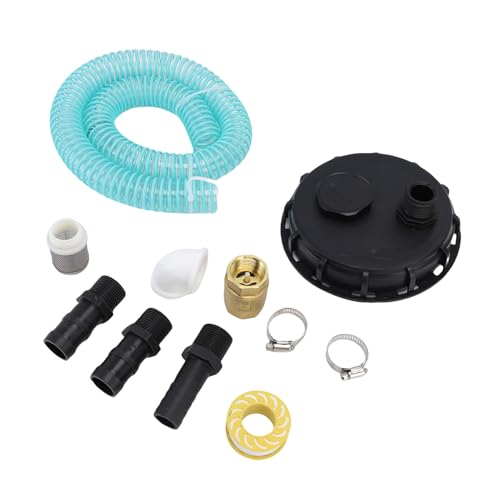
This IBC lid provides a durable, leak-resistant cap with a secure seal and DN150 threaded interface. Best for long-term storage setups requiring reliable containment and reuse in firefighting operations. It supports secure mounting and compatibility with standard IBC containers, adding resilience to water source management during emergencies.
Who this is for: Operators seeking robust, reusable IBC caps for reliable water source management in firefighting contexts.
- DN150 threaded interface
- Durable PP construction
- Leakproof sealing with ring
Buying Guide: Key Considerations For Suction Hose Fire Fighting
Assess your needs by water source, terrain, and incident scope. The following questions help determine the right setup.
What water source is most reliable for your location?
Nearby pools, ponds, or IBC totes provide different suction challenges. Choose hoses and adapters that match source diameter and depth to maximize reach and flow.
Which pump type best fits your scenarios?
Gas-powered units offer mobility and high flow, ideal for outdoor use and larger incidents. Electric options may suit indoor or controlled environments with plug access. Consider noise, fuel, and maintenance requirements.
Do you need integration with water storage containers?
Adapters and lids for IBC totes enable quick connections. Ensure compatibility with standard valve sizes and secure seals to prevent leaks.
What are the common limitations to plan around?
Weight, fuel availability, and potential debris presence are key considerations. Debris-tolerant pumps reduce clog risk; carts improve maneuverability; and long hoses extend reach but add resistance and maintenance.
How do you ensure safe operation and maintenance?
Follow manufacturer guidelines for starting procedures, refueling, and storage. Inspect hoses and seals regularly, test connections, and store equipment away from ignition sources when not in use.
What combination provides the best value?
For many buyers, a portable high-pressure pump paired with a compatible suction hose and IBC connections offers flexibility across home and yard firefighting tasks. Build a modular setup that allows quick substitution of hoses and nozzles based on the incident.
FAQ
- Can I use these pumps for non-firefighting water transfer? Yes. Most units handle irrigation, drainage, and general water transfer when used with appropriate hoses.
- What is the best hose size for pool firefighting? A mix of 1-1/2″ discharge and 2″ suction hoses is common to maximize flow and reach, depending on your pump’s capacity.
- Are IBC adapters essential? They help connect hoses to water storage totes quickly, which is useful for mobile water sources in emergencies.
- Do these systems require professional installation? Setup typically involves basic assembly and safe operation training. Follow manufacturer instructions for connections and safety.
- How do I prevent hose clogs in debris-prone water? Choose pumps with solid impellers and use strainer or foot valve to reduce debris entry.
- What maintenance is needed? Regularly inspect hoses, seals, and valves; store equipment in a dry, ventilated area; replace worn parts promptly.
Add a Comment