If you’re upgrading an exhaust system or replacing worn sections, stainless steel exhaust flex tubing offers durability, corrosion resistance, and vibration dampening. This guide highlights five reliable options, who they’re best for, and practical trade-offs. Ideal buyers include DIY enthusiasts handling moderate-to-heavy exhaust projects, small shop mechanics needing durable flex sections, and those seeking corrosion resistance in harsh environments.
Summary of selected products:
| Product | Size (ID) | Material | Best For |
|---|---|---|---|
| SKYMIRO 1.5 In Exhaust Flex Pipe | 1.5″ ID × 72″ | 304 Stainless Steel | General exhaust repairs, mid-size vehicles |
| SKYMIRO 2″ ID × 72″ Flex Pipe | 2″ ID × 72″ | 304 Stainless Steel | Longer runs, tougher exhaust corridors |
| TORDXICS Universal 1″ ID × 72″ | 1″ ID × 72″ | T304 Stainless Steel | Compact spaces, small-diameter runs |
| FIZZBOP 1.25″ ID × 72″ | 1.25″ ID × 72″ | Stainless Steel | Budget-friendly, versatile sizes |
| World American 5″ × 10′ Flex Tubing | 5″ × 10′ | 409 Stainless Steel | Heavy-duty, commercial-grade applications |
SKYMIRO 1.5 In Exhaust Flex Pipe, 304 Stainless Steel
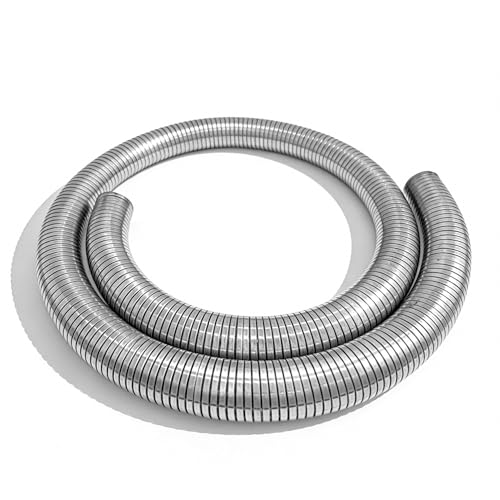
Best for mid-range exhaust jobs where moderate flexibility and corrosion resistance are needed. This 1.5″ ID × 72″ length uses authentic 304 stainless steel, offering superior resistance to rust compared with galvanised or aluminised options. The single-roll-band construction and multi-layer design promote leak-proof performance and long-term structural integrity. Flex-lock technology helps absorb engine vibrations, reducing wear on the rest of the exhaust system.
Who it’s best for: DIYers tackling standard exhaust repairs on passenger cars or light trucks who want durable material and straightforward installation. Why selected: balance of size, stainless grade, and vibration dampening.
Caution: Ensure adequate clearance for the 72″ length to avoid kinking or contact with heat shields on tight installations.
SKYMIRO 2″ ID x 72″ Universal Exhaust Flex Pipe

This 2″ ID × 72″ stainless steel flex pipe is ideal for longer or wider exhaust sections. Made from 304 stainless steel, it emphasizes corrosion resistance in harsher exhaust environments. The same durable design as the 1.5″ model—single-roll-band construction and multi-layer layout—offers reliable leak-proof performance and better vibration absorption with flex-lock technology.
Best for: users expanding exhaust runs or replacing larger-diameter segments where space allows. Why selected: larger ID accommodates higher exhaust flow without sacrificing flexibility.
Limitation: The longer length may require careful routing to avoid contact with heat sources or structural components in tight engine bays.
TORDXICS Universal 1″ ID × 72″ Stainless Steel Flex Pipe

Best for tight spaces or small-diameter ducts where a compact, durable flex solution is required. This 1″ ID × 72″ pipe uses T304 stainless steel and features a single-roll band construction for durability. It’s designed to withstand vibration and engine movement, helping to reduce stress on surrounding components.
Who this is for: mechanics or DIYers working in cramped engine bays or tight undercarriage areas. Why selected: compact diameter and robust stainless build. Caution: verify that the 72″ length can be routed without bending beyond design limits.
FIZZBOP Exhaust Flex Pipe, 1.25″ ID × 72″

Versatile and budget-friendly, this 1.25″ ID × 72″ flexible stainless exhaust hose is designed for durability and ease of use. It is described as rust-proof, corrosion-resistant, wear-resistant, and built for extended service life. The shiny surface with no burrs suggests smooth internal flow and easier installation.
Best for: budget-conscious projects or as a replacement for standard 1.25″ piping in passenger cars and light trucks. Why selected: cost-effectiveness without sacrificing essential stainless steel benefits. Caution: verify that 1.25″ is compatible with your existing flange connections and clamps.
EXHAUST FLEX TUBING Stainless Steel 5″ × 10′ World American

Designed for heavy-duty or commercial-grade exhaust applications, this 5″ × 10′ flex tubing uses 409 stainless steel, aimed at corrosion resistance, heat tolerance, and long service life in harsh environments. It’s built to absorb vibration, thermal expansion, and engine movement, reducing stress on larger exhaust systems and components.
Best for: heavy-duty truck or industrial exhaust setups where large-diameter flexibility is needed. Why selected: oversized diameter and long run length support substantial vibration and movement. Caution: 409 stainless steel offers decent corrosion resistance but is not as stainless as 304 in salty or highly corrosive environments; confirm compatibility with your application.
EXHAUST Flex Tubing Stainless Steel 5″ × 24″

Another large-diameter option from World American, offering stainless steel flex tubing with a 5″ ID and 24″ length. This shorter length is suitable for compact, high-drag setups where a quick flex segment is needed. The listing confirms its stainless steel construction language consistent with other World American products, signaling durability.
Best for: applications needing a quick, short flex section in a 5″ system. Why selected: useful for making transitions or repairs in tight areas where longer pieces are impractical. Caution: data on this listing is limited; always verify exact inner diameter compatibility with existing flanges and clamps before purchase.
Buying Guide: Key Considerations for Stainless Steel Exhaust Flex Tubing
- Material grade: 304 stainless steel offers excellent corrosion resistance, ideal for exposed or salty environments. 409 stainless steel is durable for heavy-duty use but can have lower corrosion resistance in some settings. Choose based on exposure and budget.
- Diameter and length: match ID to your exhaust system’s flange and pipe size. Longer lengths provide more flexibility but may require routing space and heat shield clearance.
- Construction style: single-roll-band construction is common for durability; multi-layer designs can improve leak resistance and long-term integrity. Consider vibration-damping features like flexible-lock mechanisms.
- Temperature and vibration handling: look for a design intended to absorb engine movement and thermal expansion to minimize stress on joints and surrounding components.
- Installation considerations: ensure clamp compatibility, heat shield clearance, and absence of sharp bends that could induce flow restrictions or kinks.
- Application fit: select smaller diameters for tight spaces or larger dia segments for higher flow requirements. If in doubt, measure the current piping and compare to product inner diameters.
Frequently Asked Questions
- What is the main advantage of stainless steel exhaust flex tubing? – It provides corrosion resistance and durability in harsh exhaust environments, improving longevity over galvanized alternatives.
- Which diameter should I choose? – Choose based on your exhaust system’s ID and the space available. Smaller diameters fit tighter spaces; larger ones handle higher flow when space permits.
- Is 304 stainless steel better than 409 for exhaust flex? – Generally yes for corrosion resistance, especially in road salt or coastal areas. 409 is often used for heavy-duty or budget-conscious projects but may require more maintenance in harsh conditions.
- Do flex pipes dampen engine vibrations? – Many models feature flex-lock or similar technology to reduce vibration transfer and protect other components.
- Can I install flexible exhaust tubing in any orientation? – Most flex pipes are designed to accommodate typical automotive orientations, but ensure there is no sharp bend and that the pipe is adequately supported.
- What should I check before buying a long length? – Confirm routing space, heat shield clearance, and whether clamps or flanges are compatible with the pipe’s outer dimensions.
Add a Comment