Choosing the right solenoid valve normally closed (NC) is essential for reliable on/off control in fluid, air, and gas systems. This guide highlights five practical options, focusing on material compatibility, voltage, and durability. It helps buyers select based on typical applications, such as potable water, fuel lines, or industrial air systems. The top picks are described with who they’re best for, plus clear pros and limitations to aid quick comparisons.
Overview of top picks
| Product | Best For | Key Strength | Limitation |
|---|---|---|---|
| U.S. Solid 3/4″ Brass NC Valve | Non-potable water, diesel, air projects | High temp tolerance, fast actuation | Not for drinking water |
| Beduan 1/2″ 12V NC Brass Valve | General purpose water and air lines | Copper coil, robust brass | 12V DC only |
| U.S. Solid 1/2″ Stainless NC Valve | Water systems with higher pressure | Stainless steel, durable & leak resistant | Higher initial cost |
| Beduan 1/4″ NC Aluminum Valve | Small-diameter pneumatics | Lightweight aluminum body | Lower pressure range |
| GREDIA 1/2″ DC12V NC Valve | Water and light oil duty lines | Compact, reliable NC operation | Lower flow for large mains |
U.S. Solid 3/4″ Brass Electric Solenoid Valve 110V NC

Best for non-potable systems requiring brass durability and high temperature tolerance. This valve is designed to work with water, air, diesel, and similar fluids. It uses a VITON seal for chemical resistance and high-temperature performance. The valve opens or closes in under one second when energized, offering quick system responses. Lifespan exceeds a million cycles with proper maintenance.
Who it’s best for: industrial plumbers and engineers working with non-drinking water lines, fuel lines, or heated air where brass’s corrosion resistance matters. Why selected: robust brass body, fast actuation, and durable VITON seal. Caution: Not suitable for potable water or drinking water applications.
Key considerations:
- Voltage: 110V AC
- Material: Brass with VITON seal
- Compatibility: Non-potable liquids and gases
Beduan Brass Electric Solenoid Valve, 1/2″ 12V NC

Best for budget-conscious installations requiring a sturdy brass valve with a copper solenoid. This valve uses a copper coil and features a 1/2″ NPT port, suitable for common water and air lines. It runs on DC 12V. The copper coil design tends to be durable in regular duty scenarios.
Who it’s best for: small to medium residential or light commercial projects where 12V DC operation is preferred. Why selected: reliable brass body at an approachable price. Caution: coil voltage is DC 12V; incompatible with AC lines without modification.
Key considerations:
- Port size: 1/2″ NPT
- Material: Brass with copper coil
- Voltage: DC 12V
U.S. Solid 1/2″ Stainless Steel NC Valve 12V DC

Best for water systems with higher pressure or temperature needs. The stainless steel body provides durability, corrosion resistance, and leak resistance for demanding environments. It uses a VITON seal for chemical resistance and offers rapid actuation under DC power. Lifespan exceeds a million cycles under proper conditions.
Who it’s best for: applications where drinking water is involved or higher pressure systems are necessary. Why selected: stainless steel durability; secure leak resistance. Caution: ensure compatibility with all fluids in the line, including any fuels beyond stated use.
Key considerations:
- Material: Stainless steel with VITON seal
- Voltage: 12V DC
- Best for: water systems with higher pressure and temperature
Beduan 2 Way NC DC 12V Valve, 1/4″ NPT

Best for compact pneumatic and small-liquid lines. This model uses a 1/4″ NPT port with a 12V DC coil. Its anodized aluminum body keeps weight down, making it suitable for space-limited installations. It supports air, gas, liquid, and water in appropriate conditions.
Who it’s best for: projects where space is tight and lightweight components are needed. Why selected: aluminum body reduces weight; reasonable for small-scale NC control. Caution: ensure pressure and temperature ranges fit your application, as aluminum bodies can have different limits than brass or stainless options.
Key considerations:
- Port size: 1/4″ NPT
- Material: Anodized aluminum
- Voltage: 12V DC
SNS 1/4″ NPT DC12V NC Brass Solenoid Valve
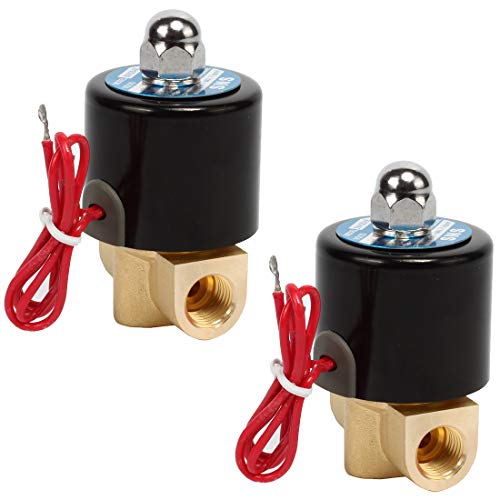
Best for compact, general-purpose use in water, air, or light diesel or oil lines. This 2W025-N08 valve uses brass with a 1/4″ NPT port and DC12V operation. It is a common choice for small automation projects requiring a dependable NC valve.
Who it’s best for: hobbyists and light industrial setups needing a compact NC valve. Why selected: straightforward 2-way NC design with a standard 1/4″ port. Caution: rated temperature range may limit use in extreme heat environments.
Key considerations:
- Port: 1/4″ NPT
- Material: Brass
- Voltage: DC 12V
Buying Guide: Key Purchase Considerations
What to verify before buying a solenoid valve NC
- Fluid compatibility: Ensure the valve body and seals match the fluid (water, fuel, air, or oil). Brass and stainless steel offer good corrosion resistance, while certain fluids require VITON seals.
- Voltage and power supply: Confirm coil voltage (DC vs AC) and the availability of the correct driver electronics or power supply for your system.
- Port size and connection type: Common sizes include 1/4″, 1/2″, and 3/4″ NPT. Match to your piping or tubing with proper thread standards.
- Pressure and temperature ranges: Choose a valve rated for the system’s operating pressure and temperature to avoid leaks or valve failure.
- Material and construction: Brass is economical and versatile; stainless steel adds durability for high-stress environments; aluminum is lighter but may have lower maximum pressure.
- Response time and cycle life: Fast opening/closing and long cycle life improve automation reliability in critical processes.
- Maintenance and seals: VITON seals offer chemical and temperature resistance but check compatibility with all fluids in the system.
Frequently Asked Questions
- What does normally closed mean for a valve? – It remains shut when not energized and opens when energized, allowing controlled flow.
- Can NC valves handle potable water? – Some NC valves are suitable for potable water; verify material compatibility and certifications before use.
- What coil voltage should I choose? – Choose DC or AC based on your control system; ensure the power supply matches the coil rating.
- Are stainless steel NC valves worth the extra cost? – They offer superior durability and corrosion resistance for demanding environments and higher pressures.
- What maintenance is required? – Regular inspection of seals and coil connections helps prevent leaks and ensures reliable operation.
- How do I determine port size for my project? – Measure the existing fittings or refer to piping standards; 1/4″, 1/2″, and 3/4″ NPT are common.
Add a Comment