Looking for a small positive displacement pump to move water efficiently in tight spaces? This guide highlights five compact pumps ideal for RVs, boats, and home setups where steady flow, reliability, and self-priming capability matter. Each pick targets a different scenario—off-grid travel, lightweight transfer, or food-grade liquid handling—so you can choose the best match for your needs. The buyer-friendly summaries below help you compare flow, head, power, and use cases at a glance.
| Product | Best For | Key Benefit |
|---|---|---|
| Gidrox 12V RV Water Pump | RVs, boats, off-grid campers | High flow (4.0 GPM) and 100 ft head with quiet operation |
| bayite 12V DC Water Transfer Pump | Weed control, ATVs, small boats | Self-priming up to 6.6 ft lift with 80–85 PSI shutoff |
| ONESAM Food Grade Electric Water Transfer Pump | Homebrew, kitchens, small liquid transfers | Food-grade materials with adjustable speed up to 2 L/min |
| CrocSee 12V Mini Diaphragm Pump | Ice makers, coffee machines, dispensers | Compact diaphragm design with 1/4″ ports and 6.5 ft suction |
| KENCIT T33 Diaphragm Pump | Caravans, RVs, marine | Automatic on-demand operation and dry-run tolerant |
Each product below is described with its best-use scenario and a practical note to help you decide whether it fits your system. The sections use clear comparisons and practical caveats to support decision-making. For quick reference, see the Buying Guide toward the end for key considerations and questions.
Gidrox 12V RV Water Pump Review

The Gidrox 12V RV Water Pump is designed for off-grid travel and mobile living. With a 4.0 GPM flow and 100 ft head, it delivers steady water pressure for showers, sinks, and basic marine use. The dual protections include overheating shutoff at 158°F (75°C) and robust construction suitable for vibration-prone environments. A 10 ft self-prime feature aids installation when the pump sits above or away from the water source. Best for RV enthusiasts who need reliable water supply with minimal noise, it uses a rubber-damping base and vortex noise-reduction design to keep noise around 40 dB. Limitations include that performance depends on head pressure and tank height; ensure adequate power supply for 12V systems.
Who it’s best for: RVers and boaters who want a relatively quiet, high-flow unit with built-in protection. If you require long, quiet operation in tight spaces, this is a strong pick.
Bayite 12V DC Water Transfer Pump

The Bayite transfer pump is built for light-duty, on-demand transfers in vehicles, boats, and field setups. Its self-priming design and 3/8-inch hose barb ports let it draw from shallow tanks and refill small reservoirs. The features emphasize low current draw and a default cut-off at 80–85 PSI, which helps protect the pump and connected lines. A notable caution: do not run continuously for long periods (the data suggests limited run time). This unit fits users who need a compact, low-power transfer pump for intermittent use rather than constant pumping.
Who it’s best for: Small boats, ATVs, and portable water systems where a lightweight, efficient, self-priming pump is sufficient. If continuous pumping is needed, consider alternate options with longer duty cycles.
ONESAM Food Grade Water Transfer Pump
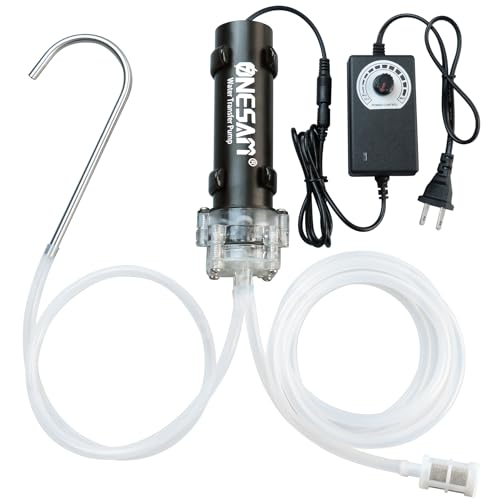
This pump targets food-grade liquid handling with adjustable flow up to 2 L/min. The head and hose materials meet food-grade standards, aiming for hygienic transfers of beverages, oils, syrups, and other liquids used in kitchens and small-scale brewing. The copper motor and aluminum housing aid quiet operation and heat dissipation, enhancing reliability during longer sessions. It is ideal for home brew, bottling, and small-scale dispensing. A potential limitation is the maximum flow rate, which may be too slow for larger batches or continuous wet-dispensing tasks.
Who it’s best for: Home brewers and small-scale liquid processors who require reliable, food-safe transfer with adjustable flow. If you need higher throughput, look at larger units.
CrocSee 12V Mini Diaphragm Pump

The CrocSee diaphragm pump is a compact option for precise transfer tasks, featuring a 1/4″ port and a practical 6.5 ft suction capability. Recommended for coffee machines, ice makers, and water dispensers where space is at a premium. Its DC 9–14V operation aligns with typical vehicle electrical systems. The device offers moderate flow (0.3 GPM) and a high lift capability, making it suitable for vertical pumping from a tank. A limitation to note is that its small size comes with lower flow compared to bulkier units, so plan for slower transfers when needed.
Who it’s best for: Small-scale beverage and dispenser setups where space is limited. Choose this if you need a discreet, low-profile pump and can tolerate modest flow rates.
KENCIT T33 Automatic On-Demand Diaphragm Pump

The KENCIT T33 is designed for automatic on-demand operation with a built-in pressure switch. It is suitable for kitchen, bathroom, RV, marine, and caravan use where discharge valve activity drives pump start/stop. The unit supports liquids up to 140°F (60°C) and is thermally protected, reducing the risk of overheating during intermittent cycles. The dry-running tolerance helps add resilience in systems with occasional air pockets. A caveat is that dry running, while tolerant, may still cause wear if used improperly for extended periods.
Who it’s best for: Systems that need automatic pressure control and automatic cycling, such as RVs and boats with intermittent water usage. If you require constant high-flow operation, verify duty cycle and power availability.
Buying Guide
- What is a positive displacement pump and why choose it? Positive displacement pumps move a fixed volume per cycle, providing steady pressure and predictable flow, even at higher head pressures. They are typically quieter and more robust for intermittent use than some impeller-only options.
- Flow rate vs. head pressure: what matters? Higher GPM means more water per minute, useful for showers and sinks. Head pressure (ft or psi) indicates the maximum height water can be lifted or forced through a line. Match your tank height and hose routing to pump head performance.
- Duty cycle and continuous use considerations? Some pumps are rated for short bursts with limits on continuous operation. If your setup requires long, continuous pumping, choose models that advertise longer duty cycles or dry-run tolerance, and verify power availability.
- Material and safety considerations for food-grade transfers? For beverage, oil, or dairy transfers, select food-grade materials and certified construction to avoid contamination. Check hose barb sizes and compatibility with your tubing.
- Power source and installation constraints? Vehicle and boat electrical systems are typically 12V DC. Ensure your battery capacity, fuse sizing, and wiring can support startup surges. Consider self-priming capabilities if your water source lies above the pump or in a separate tank.
- Noise and vibration management? Quiet operation reduces nuisance in enclosed spaces. Look for rubber bases or vibration-damping features if the pump will run near living areas.
Frequently Asked Questions
- What is a self-priming pump? A pump that automatically lifts water from a lower source without manual priming, typically up to a specified vertical lift.
- Can these pumps run dry? Some models tolerate dry-running to a point, but prolonged dry operation can cause wear. Check the manufacturer’s guidance for each unit.
- Are these pumps suitable for food-grade liquids? Only select models specify food-grade compatibility. Avoid using non-food-grade pumps for beverages or edible liquids.
- What head height can I expect? Head height varies by model. Higher head means more resistance; ensure your plumbing height is within the pump’s capability.
- Do these pumps come with hoses? Some kits include clamps or hoses; others require separate purchases. Verify included accessories before buying.
- What installation space do I need? Check the dimensions and mounting options to fit in tight RV compartments or boat bulkheads.
Add a Comment