Answering the question: which small horizontal shaft engines deliver dependable power for DIY projects and light commercial work? This guide highlights five solid choices, covering engines from about 212cc to 713cc, with different horsepower levels and starting methods. Ideal buyers include weekend DIYers coupling engines to log splitters, pressure washers, go-karts, water pumps, or small turf and garden equipment. The table below compares the featured models, helping you pick the right balance of power, fuel capacity, and starting method. All options are horizontal-shaft four-stroke engines designed for easy mounting and versatile use.
| Product | Displacement | Horsepower | Starting Method | Key Use |
|---|---|---|---|---|
| BILT HARD 420cc | 420cc | 15 HP | Electric Start | Log splitters, pressure washers, water pumps |
| maXpeedingrods 212cc | 212cc | 7 HP | Manual Recoil | Go-karts, lawn mowers, water pumps |
| Aceup Energy 212cc | 212cc | 7 HP | Recoil Start | Log splitters, tillers, pumps |
| Predator 212cc | 212cc | 6.5 HP | Recoil Start | Compact power projects, pumps |
| Honda GX160 | 163cc | 5.5 HP | Recoil Start | Small equipment upgrades, go-karts |
BILT HARD 420cc 15HP Gas Engine

The BILT HARD 420cc engine delivers up to 15 HP and 18.45 ft-lbs of torque at 2500 RPM, with a maximum speed of 3800 RPM. It uses a 1 in diameter, 3.48 in long shaft and accepts standard spark plug systems with suitable clearances. A 1.2-gallon fuel tank supports longer operation between refuels. This engine is suited for heavy-duty, multi-use jobs like cement mixer or log splitter installations where a strong, steady power source is needed. Best for builders seeking a higher-horsepower, horizontal-shaft option.
Best for: heavy-duty home projects and replacement engines for mixed-use equipment. Avoid if you require minimal starting effort or a compact footprint.
Limitation: Engine ships dry; you must add gasoline and oil before starting (not included).
maXpeedingrods 7HP 212cc Engine

This 212cc, 7 HP OHV engine offers a compact yet capable option for go-karts, lawn equipment, water pumps, and pressure washers. It features a 3/4 inch shaft, 3/16 inch keyway, and a 3.6-liter fuel tank, delivering efficient performance with lower fuel consumption thanks to the OHV design. It’s a practical pick when you need reliable power in a smaller form factor. Best for: compact projects that still demand solid horsepower and reliable operation.
Careful: ensure compatibility with your mounting pattern; some setups require adapter plates for a precise fit.
Aceup Energy 7HP 212cc Engine
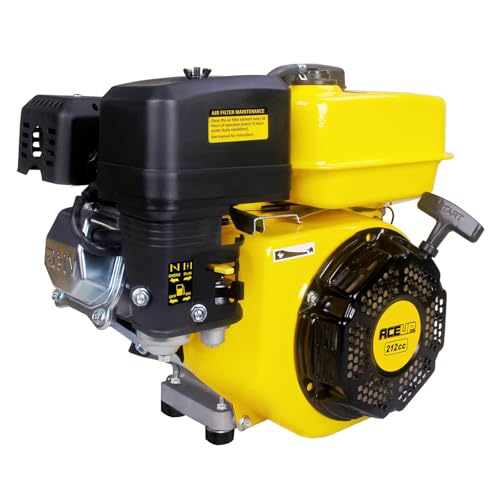
The Aceup Energy 212cc engine uses a 3/4 inch shaft with a 5/16-24 UNF end tapping and a 3/16 inch keyway. With a recoil-start design and 7 HP at 3600 RPM, this engine is well-suited for log splitters, small tillers, pumps, and other lawn or garden equipment. Best for: users who want a recoil-start option and a robust 212cc platform. Caution: ensure the end-tap and shaft dimensions match your mounting hardware.
Predator 6.5 HP 212cc Engine

The Predator 6.5 HP engine is built around a durable 212cc cast iron cylinder design with a simple recoil start. This engine targets go-karts and small equipment upgrades where straightforward starting and reliable operation are essential. It offers a balance of power and practicality for mixed-use projects. Best for: budget-conscious builders who still need dependable power. Caution: California users should verify compliance for state-specific regulations before purchase.
Honda GX160 5.5HP Engine
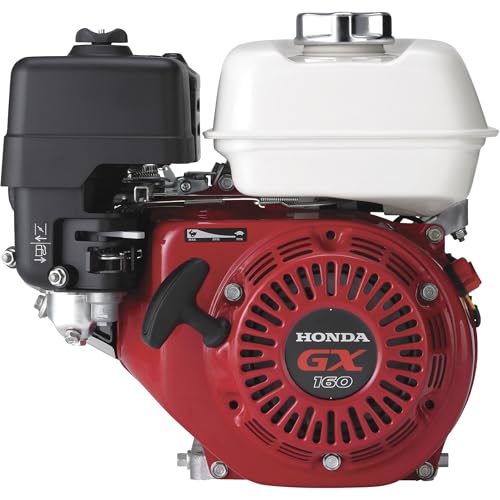
The Honda GX160 delivers 5.5 HP in a lightweight, compact 163cc package. Known for reliability and smooth operation, this engine is a staple for small equipment upgrades and lightweight go-kart builds. Best for: users who prioritize brand reliability and a compact footprint. Limitation: lower displacement means reduced torque for heavy-duty tasks compared with larger models.
Buying Guide: Key Considerations for Small Horizontal Shaft Engines
- Power needs: Match horsepower and displacement to the intended task. Higher HP is beneficial for heavy-duty equipment, while smaller engines suit light-duty jobs.
- Starting method: Recoil starts are simple and battery-free but require more effort; electric starts offer convenience but need a power source and battery.
- Shaft specs: Confirm diameter, length, end tapping, and keyway size to ensure proper mounting and compatibility with driven components.
- Fuel system and efficiency: OHV designs typically offer better fuel efficiency and reliability; consider fuel tank capacity for longer operation between refuels.
- Durability and maintenance: Cast-iron sleeves and solid construction improve longevity; check lubrication and cooling features for extended use.
- Application fit: Consider its primary use—log splitters, pumps, tillers, or mowers—and choose a model aligned with those tasks.
FAQ
- What is a horizontal shaft engine best for?
– They drive equipment such as log splitters, pumps, tillers, and go-karts, offering a compact mounting profile and versatile mounting options. - How do I choose between recoil and electric start?
– Recoil starts are dependable in remote areas; electric starts are useful for frequent startups and ease of use with power on hand. - What shaft size should I look for?
– Verify diameter, length, end tap screw, and keyway size to fit your drive system and mounting hardware. - Are higher displacement engines always better?
– Not necessarily; higher displacement provides more torque, but you should balance power with equipment weight, noise, and fuel use for your task. - Do these engines require specific fuels?
– Most 4-stroke engines run on regular unleaded gasoline (ethanol content under 10% is often recommended); check the manual for fuel requirements. - Is California-specific certification important?
– Some models are not California-certified. Verify local regulations before purchasing if you are operating in California.
Add a Comment