Whether you’re tuning lawnmower motors, testing go-kart engines, or running-in model airplanes, a small engine test stand helps you work more efficiently. This guide highlights five reliable options suited for hobbyists, shops, and schools. Each pick is chosen for versatility, build quality, and practical features that support safe, repeatable testing.
| Product | Best For | Why It Stands Out |
|---|---|---|
| LARIN Engine Run Stand (ERD-1000) | General automotive and small engines | Universal fit, heavy-duty steel construction, adjustable motor mounts for various engine sizes. |
| Deevoka RC Engine Test Bench Fixed Platform | Mayatech and methanol model engines | Military-grade CNC aluminum, self-adjusting fit, quick setup with strong clamping. |
| Prolinemax Mobile Engine Motor Testing Stand | Shop demos, break-in, and testing | Mobile, heavy-duty frame with gauges; designed for testing, leak detection, and demonstrations. |
| VEVOR Engine Stand (750 lbs) | Heavy engines and long-term use | High weight capacity, 360-degree head, rotatable arms, reinforced cast iron base. |
| Almencla RC Engine Test Bench Work Stand | RC and small model engines | High-strength alloy build with integrated processing and corrosion protection. |
Selected products are analyzed for fit with small engines used in automotive, RC, and educational settings. The table above helps you compare capabilities at a glance and choose the best match for your testing needs.
LARIN Engine Run Stand (ERD-1000)

The LARIN ERD-1000 is designed for a wide range of engines, making it a versatile choice for hobbyists who test multiple motors. Its heavy-duty steel construction and powder-coated finish resist rust and provide durable long-term use. The stand features adjustable motor mounts to accommodate varying engine sizes, helping you set up quickly and maintain consistent test conditions. Best for buyers who want a robust, all-purpose testing platform that can handle diverse small engines. A potential limitation is that universal fit may require some mounting adjustments for very unusual engine configurations.
Deevoka RC Engine Test Bench Fixed Platform
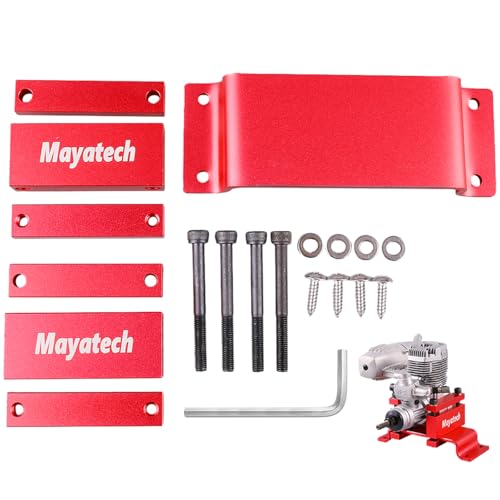
The Deevoka fixed platform emphasizes a high-strength build with an aircraft-grade aluminum alloy that’s thicker than typical stands. It is tailored for Mayatech gasoline engines and methanol models, offering a secure, vibration-resistant mounting system with a fast, tool-free setup. This option is best for users who prioritize stability and quick installation, especially in environments where engines run at high RPM. Caution: verify height clearance and compatibility with your exact engine model before purchase.
Prolinemax Mobile Engine Test Stand

The Prolinemax mobile stand is built for dynamic testing scenarios, including break-ins, leak checks, demonstrations, and detailed engine work. Its heavy-duty steel frame with a powder-coated finish offers durability for workshop use, while integrated gauge options (tachometer, temperature, oil pressure) support precise monitoring during tests. This choice suits shops and schools needing a portable, capable testing station. Limitation: some users may find the setup less stable on uneven floors without a proper base or caster lock system.
VEVOR Engine Stand (750 lbs)

The VEVOR engine stand supports substantial engines, boasting a 750 lb capacity, a 360-degree adjustable head, and a robust cast iron base. Its reinforced design and hex-head mounting hardware help secure engines firmly during testing, making it a strong choice for heavier small engines. Best for users who routinely test larger or heavier motors and need reliable stability. A noted limitation is that the stand’s weight and size may be less portable for frequent field use.
Almencla RC Engine Test Bench Work Stand

The Almencla bench emphasizes a high-strength aluminum alloy build with corrosion protection, aimed at RC and small-model engines. Its integrated processing and stylish finish make it suitable for display during demonstrations or classroom use. Best for hobbyists focusing on model engines where weight savings and cleanliness matter. Limitation: may not support the heaviest engines as robustly as steel-based stands.
Buying Guide
What should you consider when choosing a small engine test stand?
- Engine compatibility: Check the stand’s mounting range and any included adapters to ensure it fits your engine size and type.
- Weight capacity: Match the stand to the heaviest engine you plan to test to avoid tipping or mounting failures.
- Material and durability: Steel and aluminum alloys offer different balances of strength, weight, and rust resistance.
- Mounting and adjustability: Look for adjustable arms, quick-release or tool-free setup, and secure locking mechanisms for repeatable tests.
- Mobility vs stability: Mobile stands are convenient, but fixed bases often provide more stability for high-RPM testing.
- Mounted instrumentation: Consider whether you need tachometers, temperature gauges, or oil pressure monitoring integrated into the stand.
- Price vs features: Weigh the value of rugged construction against any optional features like extra gauges or aluminum alloys.
Key comparisons
- Best for versatility: LARIN ERD-1000 due to universal fit and robust construction.
- Best for RC and methanol engines: Deevoka fixed platform for quick setup and vibration resistance.
- Best for demonstrations and teaching: Prolinemax with built-in gauges and mobility.
- Best for heavy engines: VEVOR 750 lbs stands out for strength and 360-degree head.
- Best for RC/model engines: Almencla RC bench for lightweight, corrosion-protected build.
Frequently asked questions
- What is a small engine test stand used for? It provides a stable platform to run and test small engines safely, with mounting security and monitoring capabilities.
- Do I need gauges on my stand? Gauges like tachometers, temperature, and oil pressure help you monitor engine performance during tests.
- Can these stands handle both gasoline and methanol engines? Some stands are designed for mixed fuels; verify compatibility with your specific engine model.
- Is portability important? If you move between locations, choose a lighter, mobile stand; for a fixed workshop, a heavier stand offers more stability.
- What maintenance is required? Regularly inspect mounting arms, bolts, and fasteners; keep moving parts clean and lubricated as needed.
- Are these stands suitable for classrooms? Yes, many options are designed for demonstrations, training, and educational use.
Add a Comment