Answering the common buyer question: which small engine hydraulic pump delivers reliable power for log splitters and DIY setups? This guide highlights five proven options, each suited to different needs—from compact, engine-mounted pumps to higher-flow kits for faster cycles. Use these selections to compare flow, pressure, and mounting compatibility. Ideal buyers include hobbyists building small to mid-size log splitters, portable repair crews, and DIY enthusiasts upgrading existing hydraulic rigs.
| Product | Brand | Approx. Flow | Max PSI | Mount Type | Notable Benefit |
|---|---|---|---|---|---|
| VEVOR Hydraulic Log Splitter Pump | VEVOR | 11 GPM | 3000 | 1″ Inlet, 1/2″ NPT Outlet | Compact aluminum design, solid sealing |
| Log Splitter Build Kit: 13 GPM | Yoursme | 13 GPM | 4000 | Inlet 1″, Outlet 1/2″ | Includes mounting hardware and kit parts |
| RYFT Hydraulic Log Splitter Pump | RYFT | 22 GPM | 3000 | 1/2″ NPT inlet/outlet, 5/8″ shaft | High flow for faster cycles |
| Weonefit Hydraulic Wood Log Splitter Pump Kit | Weonefit | 22 GPM | 4000 | 1-1/4″ inlet, 3/4″ NPT outlet | Complete build kit included |
| VEVOR Hydraulic Wood Log Splitter Pump Kit | VEVOR | 16 GPM | 4000 | 1″ Inlet, 1/2″ NPT Outlet | Higher PSI with robust aluminum housing |
VEVOR Hydraulic Log Splitter Pump, 11GPM, 3000 PSI

Best for compact, engine-mounted setups where space is limited. This aluminum gear pump delivers up to 11 GPM with 3000 PSI, making it suitable for smaller log splitters or DIY rigs that require steady, dependable power. The pump features a standardized 1-inch inlet and 1/2-inch NPT outlet, along with a 1.38-inch shaft length and 1/2-inch shaft diameter for versatile mounting. Caution: check shaft compatibility with your engine drive shaft before installation.
Log Splitter Build Kit: 13 GPM Hydraulic Pump

Better for DIY builders upgrading mid-size splitters or replacing older pumps. With 13 GPM and up to 4000 PSI, it suits more demanding projects. The kit includes a 1″ inlet, 1/2″ NPT outlet, and a 1.5″ shaft, making alignment with common engines simpler. A key advantage is its comprehensive mounting and hardware package, enabling smoother integration. Limitation: ensure engine mounting supports a 1.5″ shaft extension and bolt circles specified in the kit.
RYFT Hydraulic Log Splitter Pump 22GPM

Best for faster cycle times and higher pressure needs. This 2-stage gear pump delivers up to 22 GPM and 3000 PSI, with a 5/8″ shaft and standard NPT ports. It’s suited for larger, more demanding DIY log splitters that require quick operation and robust duty. Caution: higher flow requires careful hydraulic system balancing to prevent hose and valve overload.
Weonefit Hydraulic Wood Log Splitter Kit
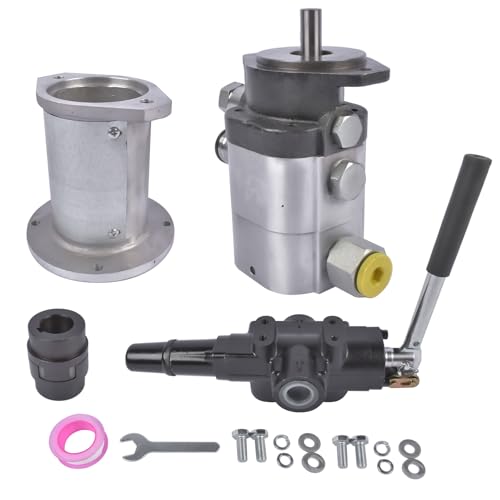
Choose this when you want a complete build kit alongside a high-flow pump. It offers 22 GPM at 4000 PSI and includes a directional control valve, installation base, bolts, and coupling. The standardized 1-1/4″ inlet and 3/4″ NPT outlet support strong compatibility. Best for OEM replacements or DIY projects that require ready-to-install components. Limitation: ensure your hydraulic control valve is compatible with the valve included in the kit.
VEVOR Hydraulic Wood Log Splitter Pump, 13GPM
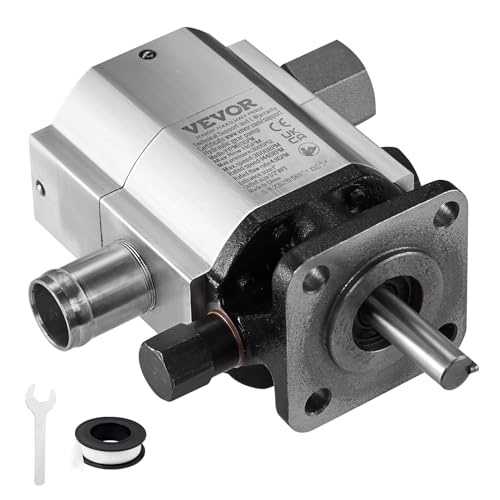
Best for a balance of flow and pressure in mid-sized applications. This 13 GPM, 3000 PSI pump uses aluminum construction for durability and features a 1″ inlet with a 1/2″ NPT outlet. Its 3600 RPM performance supports quicker hydraulic cycles while maintaining reliable force. Caution: verify that your engine can handle the 3600 RPM operating range and that mounting points align with the 1″ inlet and 1/2″ outlet configuration.
Buying Guide
Key considerations when choosing a small engine hydraulic pump for log splitters and DIY builds:
- Flow versus pressure: Higher GPM means faster cycle times; higher PSI supports tougher splits. Match to your splitter tonnage and wood type.
- Inlet/outlet sizing: Ensure compatibility with your engine mount and hoses. Common choices are 1″ inlet with 1/2″ or 3/4″ outlets.
- Mounting compatibility: Check shaft diameter, shaft length, and bolt circle for engine compatibility. Some kits include mounting hardware; others require adapters.
- Material and durability: Aluminum housings offer light weight and corrosion resistance; cast components may resist impact differently. Consider outdoor use.
- Included components: Kits with control valves, installation bases, or bolts simplify installation but verify valve compatibility with your system.
- System balance: Higher flow demands appropriate return lines, directional valves, and adequate reservoir capacity to avoid overheating.
- Maintenance and seals: Look for pumps with proven sealing efficiency and accessible service options to minimize downtime.
Frequently Asked Questions
- What does GPM indicate for a log splitter pump? – GPM, or gallons per minute, measures how much hydraulic fluid can flow through the pump, affecting cycle speed.
- Can I replace an old pump with a higher PSI model? – Yes, if the surrounding components (valves, hoses, reservoir) handle the increased pressure; verify system compatibility.
- Which pump is best for a small engine-mounted splitter? – Pumps with 11–13 GPM and 3000–4000 PSI are typically ideal for compact, engine-mounted setups.
- Is a higher flow pump always better? – Not always. Higher flow increases risk of overheating or exceeding valve capacities if the rest of the system isn’t upgraded.
- What maintenance is needed for hydraulic pumps? – Regularly check seals, fluid levels, hose condition, and mounting hardware. Replace worn components promptly.
- Do these pumps require special fluids? – Most use standard hydraulic oil, but verify viscosity recommendations in your pump’s documentation.
Add a Comment