Answering the common buyer question: which skid steer drum roller attachment delivers reliable compaction for soil, asphalt, and roadbeds? This guide covers five top options, highlighting who they’re best for, their key strengths, and important limitations. It’s designed for contractors, landscapers, and municipal crews searching for steady, efficient compacting power. The quick-reference table below helps compare core specs at a glance.
| Product | Best For | Width | Key Benefit |
|---|---|---|---|
| MIVA 59″/1500 mm Hydraulic Drum Vibratory Roller | Large projects, asphalt and subgrade | 1500 mm | High efficiency and universal compatibility |
| GIYI 59″/1500 mm Skid Steer Compaction Wheel Attachment | Roadbeds and pavements of varying scales | 1500 mm | Durable, versatile vibration and pressure |
| Titan Attachments Skid Steer Sod Roller | Landscaping and lawn installations | 36/44/52 inches | Adjustable width for diverse sod rolls |
| Flynsu Bottom Roller Replacement for Bobcat | Maintenance and replacement for existing rollers | Bottom roller size varies by model | OE-style compatibility for common Bobcat models |
| Getanye Replacement for Bobcat Bottom Roller | Replacement parts for common Bobcat skid steers | Bottom roller size varies | Affordable, compatible alternative |
MIVA 59″/1500 mm Hydraulic Drum Vibratory Roller
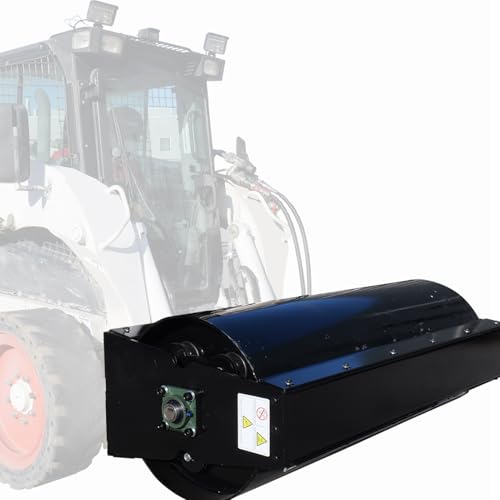
The MIVA skid steer roller offers a wide 1500 mm working width with a compact 70″x23″x28″ profile, designed to fit into trenches, backfills, and tight spaces. It features a 10-20 Hz vibration frequency for rapid compaction of soil, asphalt, and roadbeds. Built from reinforced steel, the attachment emphasizes wear and impact resistance for heavy-duty environments. Best for contractors needing efficient, large-area compaction in confined sites.
Best for: big projects and busy sites where quick, uniform compaction is required. Choose this if you need universal skid steer compatibility and a robust steel build. Caution: ensure hydraulic flow is within the specified range to maintain effective vibration.
GIYI 59″/1500mm Skid Steer Compaction Wheel

The GIYI attachment emphasizes high efficiency with a 1500 mm width to cover a wide area in fewer passes. Its durable steel construction resists sliding and deformation under heavy use, supporting long service life in demanding environments. The vibration pressure range (10-22 MPa) and hydraulic flow (20-60 L/min) enable versatile use for roadbeds, pavements, and sites of varying textures. Best for: projects that require a broad, dependable roller with strong durability. Caution: verify your skid steer’s hydraulic specs match the attachment’s needs for optimum performance.
Titan Attachments Skid Steer Sod Roller
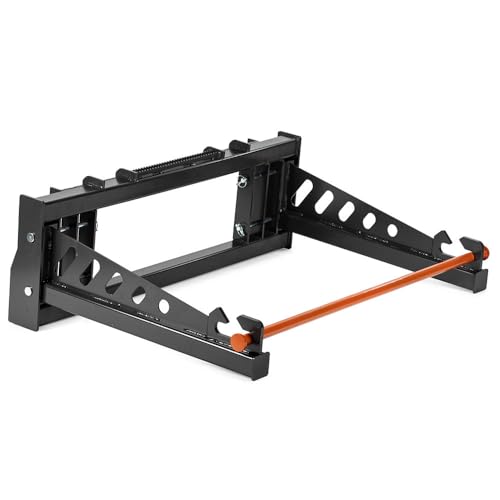
This heavy-duty sod roller attaches via SSQA mounting and offers adjustable width settings of 36″, 44″, and 52″, making it suitable for different sod rolls up to 60″ in diameter. It’s ideal for commercial landscaping and sports fields, where precise, even placement is essential. The design supports rapid, uniform rolling for faster establishment of lawns. Best for: landscaping crews needing a flexible, fast sod installation tool. Caution: not a general-purpose compactor; it’s specialized for sod and similar materials.
MIVA 59″/1500mm Skid Steer Compaction Wheel Attachment
This MIVA model mirrors the first option with a 1500 mm working width, designed for uniform soil and stone pressure across large projects. The steel construction emphasizes durability for extended service life, and the 10-22 MPa vibration range provides robust compaction across roadbeds and pavements. Best for: crews doing ongoing road and parking lot work who need a dependable, wide roller. Caution: as with any heavy attachment, ensure proper mounting and hydraulic compatibility before operation.
Buying Guide: Key Purchase Considerations
- Project type: Choose a wide, vibration-capable drum roller for large-area soil and asphalt work. For landscaping and sod, consider a roller with adjustable widths and specialized functionality.
- Compatibility: Confirm your skid steer’s mounting system (SSQA is common) and hydraulic flow rate to match the roller’s requirements.
- Durability: Look for steel construction with reinforced design for wear resistance if you expect frequent, heavy-duty use.
- Operating conditions: For rugged sites with rough materials, prioritize rollers with higher vibration frequency ranges and robust build.
- Maintenance: Consider rollers with replaceable wear parts and straightforward maintenance access to minimize downtime.
Frequently Asked Questions
- What is the standard width for most skid steer drum rollers?
Most common wide attachments are around 1500 mm (about 59 inches). This size balances coverage area with control in tight spaces. - Are these rollers compatible with all skid steer brands?
Many attachments list universal compatibility, but always verify the mounting system and hydraulic flow with your specific model. - What surfaces can drum rollers compact effectively?
They are designed for soil, subgrade, roadbeds, gravel, and asphalt surfaces, depending on the model and vibration range. - Do drum rollers require special maintenance?
Routine checks on hydraulic connections, wear parts, and mounting hardware help extend life and prevent downtime. - Is a sod roller a type of skid steer drum roller?
Sod rollers are specialized rollers used for landscaping; they are related in concept but optimized for laying sod rather than general compaction. - When should I choose a replacement bottom roller rather than a new drum roller?
If you already operate a compatible skid steer and need a cost-effective fix, a replacement bottom roller can restore function without a full attachment upgrade.
Add a Comment