Finding the right sheet metal deburring tool can cut finishing time and improve edge quality. This guide highlights five top options that balance precision, durability, and ease of use. Each product section includes a quick overview, key features, and practical notes to help you compare at a glance.
| Product | Brand | Type | Key Benefit |
|---|---|---|---|
| Noga DB1000 Sheet Metal Deburring Tool | Noga | Single Burr | Efficient single-edge deburring |
| Noga DB1005 Sheet Metal Deburring Tool (Double Burr) | UmiMirari | Double Burr | Simultaneous burr removal on both edges |
| Noga DB1000 Double-Burr Sheet Metal Deburring Set | NOGA | Double Burr Set | Flexible blades with adjustable cutters |
| PEASUG Deburring Tool with 12 High Speed Steel Blades | PEASUG | Multi-Blade | Versatile blades for metal, resin, and plastic |
| Air Chamfer Tool Deburring Tool | UPWOOD | Air/Pneumatic | One-handed operation with adjustable chamfer depth |
Noga DB1000 Sheet Metal Deburring Tool
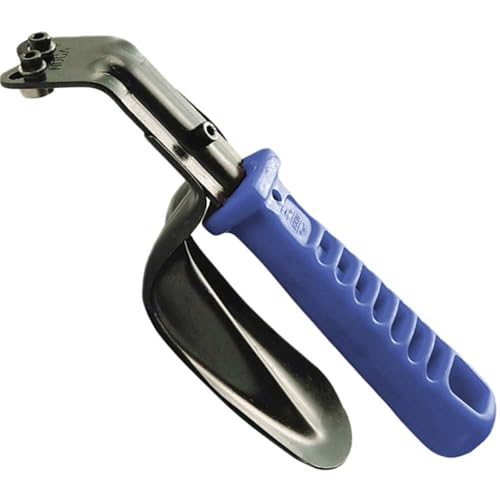
The Noga DB1000 is designed for precise deburring on sheet metal edges. Its compact, hand-held form supports controlled removal of burrs with a focus on clean edge finishes. The tool is particularly suitable for workshop settings where quick, repeatable results matter. Core benefits include straightforward operation and reliable performance on standard sheet thicknesses.
Noga DB1005 Sheet Metal Deburring Tool (Double Burr)

This model handles burrs on both sides of sheet metal in one pass, boosting throughput in production or repair work. It includes a hand guard for added safety and a supply of N80 blades for sharp, durable deburring performance. It is well-suited for users who regularly tackle double-sided burrs and require consistent results across multiple parts.
Noga DB1000 Double-Burr Sheet Metal Deburring Set

Arranged as a pack of three, this set offers adjustable cutters and rotatable blades for extended tool life. It deburs both sides of sheet metal and can handle a range of other metals. The flexibility of blade rotation supports longer service life in busy shop environments where tool wear is a consideration.
PEASUG Deburring Tool With 12 High Speed Steel Blades (Blue Handle)

This toolkit combines a blue ergonomic handle with twelve spare blades. It’s designed for versatility across materials, including metal, resin, copper, and plastic. The robust blades provide reliable deburring for a smooth, uniform surface in both hobby and professional settings.
PEASUG Deburring Tool With 12 Blades (Black Handle)

This variant mirrors the blue-handle version with identical blade quantity and material compatibility, offering a black-handle option for different grip preferences. It emphasizes quick blade changes and consistent deburring performance across common metalworking tasks.
Buying Guide: Key Purchase Considerations
- Deburring scope and edge type: Choose a tool that matches the burr direction (single vs. double-sided) and edge thickness you typically encounter. Double-burr tools speed up finishing on both sides, while single-burr ones are lighter and more maneuverable for tight spaces.
- Blade life and material: High-speed steel blades last longer under repeated use. Consider blade rotation features and replacement blade availability for continuous workflow.
- Safety features: Look for protective guards or ergonomic handles to reduce hand fatigue and prevent slips during operations, especially with sharp burrs and tight tolerances.
- Durability and build: Tools made from alloy steel or hardened metals withstand regular metalworking duties and resist wear. This matters more in production environments than one-off projects.
- Grip and ergonomics: Handle design affects control and precision. Choose a tool with a comfortable grip that suits your dominant hand and typical working posture.
- Versatility: Some kits include multiple blades or interchangeable heads, enabling use across various materials beyond sheet metal (resin, plastic, PVC, etc.).
- Maintenance and replacement: Availability of spare blades and ease of blade changes influence long-term costs and downtime.
When selecting a deburring tool, align the choice with your typical workpiece thickness, required edge finish, and whether you prioritize speed (double burr) or precision (single burr with guarded handling). The options listed provide a spectrum from compact hand tools to more robust, multi-blade kits suitable for workshops and production lines.
Add a Comment