Whether you’re a professional fabricator or a DIY enthusiast, the right sheet metal bending equipment makes precise folds, angles, and seams faster and more reliable. This guide highlights five top picks ideal for common gauges and materials, including 20-gauge steel and 14-gauge aluminum. Each product is chosen for its ease of use, portability, and control. The buyer types most likely to benefit are DIY hobbyists, small shop operators, HVAC installers, and metal roofers. The quick comparison table below helps you decide at a glance.
| Product | Brand | Type | Best For | Key Benefit |
|---|---|---|---|---|
| VEVOR Box and Pan Brake, 48-Inch | VEVOR | Box and Pan Brake | Factories and workshops needing versatile bending | 0-135° flexible bending with reinforced blade |
| Sheet Metal Roller 2 Station (7in) | Uttempt | Sheet Metal Roller | Profiling panels and eave bends | Angled roller prevents scratches on 90° bends |
| WORKPRO Hand Seamer Tool, 3-Inch | WORKPRO | Seamer/Bender Pliers | Precise seams in tight spaces | Four V-grooves and built-in measurement guides |
| DURATECH 6 Inch Sheet Metal Bender | DURATECH | Hand Seamers | Flat, straight seams in 18–30 gauge | 1/4 inch notches for precise clamping depth |
| WORKPRO Hand Seamer Tool, 6-Inch | WORKPRO | Seamer/Bender Pliers | General bending and flattening | Similar high-precision jaws and ergonomic grip |
VEVOR Box and Pan Brake, 48-Inch

The VEVOR Box and Pan Brake supports up to 48 inches of sheet width with a 0-135° bending range, designed for 20-gauge low carbon steel and 14-gauge aluminum. Its reinforced rib design and a thicker 0.31″ blade improve rigidity, making it suitable for workshop-scale production. The integrated press plate helps secure sheets without external clamps, and dual handles simplify operation. This model is best for small factories or professional shops that need accurate, repeatable bends across longer sheets.
Who it’s best for: metal fabrication shops and serious DIYers who handle mid-sized panels and require dependable, repeatable bends. Why selected: offers robust capacity and a secure, clamp-free workflow. Caution: the 48-inch width can be heavy to maneuver in tight spaces.
Sheet Metal Roller 2 Station (7in)
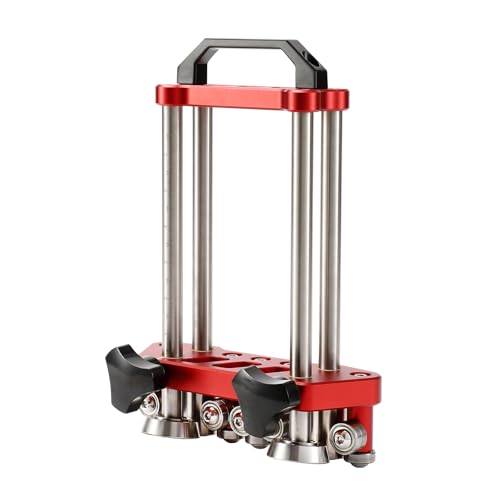
The Uttempt Sheet Metal Roller 2 Station focuses on precise bending with a 0-100° range and features an angled roller designed to prevent scratching at 90° bends. It’s particularly well-suited for pros who profile metal panels or install snap-lock panels at the eave. The device handles sheet thicknesses from 0.2mm to 1.0mm and bend lengths from 7mm to 180mm. An adjustable height and depth gauge help deliver repeatable results. This tool is ideal for lightweight, on-site fabrications where portability matters.
Who it’s best for: professionals doing eave and panel bends in thin sheet metal. Why selected: optimized for 100° work with clear depth guidance. Caution: optimized for lighter gauge metals; thicker steels may exceed its capabilities.
WORKPRO Hand Seamer Tool, 3-Inch
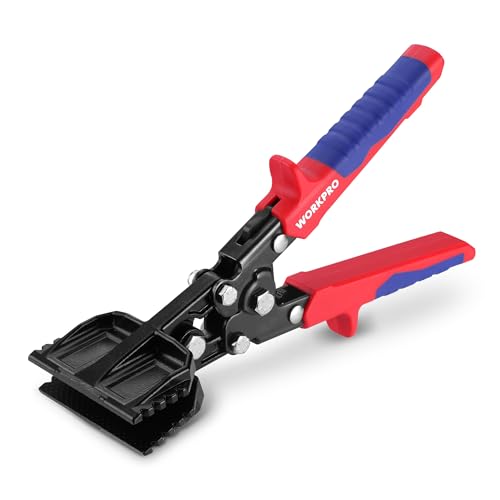
This 3-inch hand seamer from WORKPRO features four V-grooves with about 7mm spacing for precise bending and measuring. Made of durable carbon steel with a black oxide finish, it’s designed to work with 18-gauge galvanized steel and stainless steel. The ergonomic, anti-slip TPR handle reduces fatigue and enhances control, and a safety lock keeps jaws closed when not in use. It’s best for small parts, tight spaces, and precise seam work where a compact tool is required.
Who it’s best for: metalworkers needing precise, compact seaming in tight spots. Why selected: built-in measurement guides support consistent bends. Caution: may not handle thicker gauge metals beyond its listed range.
DURATECH 6 Inch Sheet Metal Bender

The DURATECH 6 Inch straight jaw bender is designed for bending, seaming and flattening up to 18 gauge galvanized or 30 gauge stainless steel. Its 6-inch length and 1.25-inch jaw width provide a solid leverage area, with 1/4 inch notches along the side for precise clamping depth. The non-slip interior grip helps secure metal during operation, and the ergonomic handle reduces fatigue. This tool is a strong option for precise, straight bends in mid-range gauges.
Who it’s best for: users needing a compact, precise 6-inch seamer for mid-gauge metal. Why selected: clear depth notches improve accuracy. Caution: best for lighter to mid-thickness materials; very thick metals may require a larger tool.
WORKPRO Hand Seamer Tool, 6-Inch
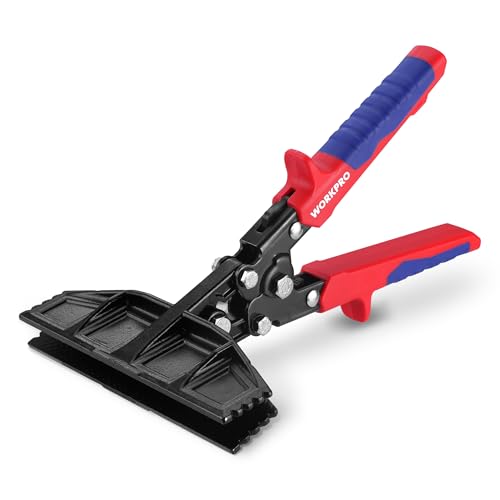
The WORKPRO 6-Inch Hand Seamer offers four V-grooves with 7mm spacing and a robust carbon steel build, similar to the 3-inch model but with more reach. It supports 18-gauge galvanized steel and stainless steel, with ergonomic TPR handles for comfort and a safety lock for secure storage. It’s well-suited for mid-length seams and projects requiring deeper jaw engagement.
Who it’s best for: users who need more jaw reach and consistent bends in mid-size parts. Why selected: same precision design with extended jaw width. Caution: heavier than the 3-inch version—plan for extra control in cramped spaces.
Buying Guide: Sheet Metal Bending Equipment Essentials
What material gauges can you work with?
Different tools support different metal thicknesses. Match the tool’s maximum gauge to your typical stock. Lighter gauges are easier to bend and require less force, while thicker gauges demand sturdier, higher-capacity equipment.
Which bending range do you need?
Consider whether you need 0-90°, 0-135°, or other angles. A broader range provides more versatility for complex shapes, while a narrower range can reduce tool weight and improve precision on simpler jobs.
Is portability a priority?
Portable hand seamers and small rollers are ideal for on-site work or tight spaces. Larger bench-top brakes excel in a workshop setting with consistent, repeatable results across longer panels.
What about jaw design and grip?
Ergonomic handles reduce fatigue on long projects. Anti-slip patterns and textured grips improve control, while safety locks keep tools closed during storage.
How important are measurement aids?
Tools with built-in V-grooves, depth gauges, and scale markings improve precision and reduce guesswork, especially for repetitive work or multi-part assemblies.
Practical tips for selection
- Choose a tool that fits the thickest material you expect to bend.
- Prefer models with adjustable angles for versatility.
- Opt for tools with clear measurement guides to improve consistency.
Frequently Asked Questions
- What is the best sheet metal brake for beginners?
A compact hand seamer or a small 3–6 inch bender is usually easiest for beginners to learn basic seams and bends.
- Which tool handles aluminum well?
Most standard sheet metal benders and rollers handle aluminum well, especially those designed for light to mid gauges.
- Do I need a roller or a brake for panels?
Rollers are great for long, curved bends and eaves, while brakes provide broader, flat panels and precise square corners.
- Can these tools replace a full metal brake?
For large-volume or heavy-gauge production, a full-size brake may still be necessary, but these tools cover many common tasks.
- Which gauge is easiest to bend at home?
18–22 gauge metals are typically easiest for hobbyists using hand tools and small rollers.
Add a Comment