Answering the need for reliable hauling in rope rescue and climbing setups, this guide compares five top rope rescue hauling systems. Each product is suited for professionals and serious hobbyists who require high strength, durable pulleys, and compact rigging solutions. The top picks cover micro haul kits, fixed and mobile pulleys, and ultralight options for field use. Use the quick-reference table below to compare who each product is best for, then read detailed sections to understand how they differ in mechanical advantage, portability, and rope compatibility.
| Product | Best For | Key Strength | Limitations |
|---|---|---|---|
| GM CLIMBING Haul Kit for 5:1 | Compact multi-scenario hauling | 5:1 system with micro pulleys | Includes basic sling; may require additional hardware for some rigs |
| GM CLIMBING 40kN Micro Double Pulley | High-load, compact setups | 40 kN strength; Prusik-minding | Requires compatible rope size |
| Azarxis 26kN Fixed Plate Pulley | Lightweight field hauling | 7075 aluminum; 12 mm rope compatibility | Fixed plate, less adaptable than multi-pulley kits |
| Rock-N-Rescue Aztek Omni Pulley System | Pre-rigged, ready-to-use rescues | All-in-one lift kit with 50 ft rope | Higher kit bulk; fixed rope length |
| Petzl Mobile Ultra-Compact Pulley | Ultra-portable systems | Lightweight, wide rope compatibility | Smaller frame may limit load capacity vs larger units |
GM CLIMBING Haul Kit for 5:1 Mechanical Advantage

The GM CLIMBING Haul Kit creates a compact 5:1 mechanical advantage system using micro double pulleys and a Prusik loop. It is designed for hauling heavy loads, load releasing, tensioning lines, and rescue operations. This kit suits professionals and trained climbers who need reliable, modular rigging for crevasse rescue, vehicle or boat extraction, or rapid setup in variable terrain.
Best for: a field operator needing a compact, versatile micro-haul solution that supports a range of rigging configurations. Why selected: includes multiple components (pulleys, carabiners, sling, Prusik loop) to configure a progressive hauling layout with good progress capture. Caution: may require additional components to tailor the system to extreme or unusual load paths.
GM CLIMBING 40kN Micro Double Pulley

This micro double pulley is built for high-load, compact rigging. It enables 4:1 or higher 5:1 mechanical advantage systems and is Prusik-minding to support progress capture. It is CE/UIAA certified and compatible with ropes up to 12 mm. Best for: self-rescue, emergency hauling, and demanding rigging where space and weight matter. Why selected: its high breaking strength and Prusik-minding design support secure, controlled hauling. Caution: ensure rope diameter matches the 12 mm maximum specification to avoid binding or jamming.
Azarxis 26kN Fixed Plate Pulley

Azarxis offers a fixed-plate pulley made from aerospace-grade 7075 aluminum with anodized finish. Weighing just a few ounces, it supports rope up to 12 mm and provides smooth rope travel for hauling, rappelling, or basic lifting configurations. Best for: lightweight field deployments where speed and ease of use are priorities. Why selected: combination of durability, lightness, and compact dimensions makes it easy to carry in a rescue pack. Caution: fixed-plate design limits complex multi-pulley configurations without additional hardware.
X XBEN Outdoor Climbing Rope (32 ft) – Blue

While primarily a rope, X XBEN’s climbing rope is designed for reliability in descent and ascent tasks, with a low outer skin sliding rate and a high-core composition for strength. It supports efficient braking and smooth operation in rope-rescue contexts. Best for: teams seeking a robust training rope or primary line for lighter hauling setups. Why selected: excellent core-to-sheath construction with lower pilling risk. Caution: ensure the rope diameter and length fit your rigging plan; this rope is not a pulley itself but a critical component of many systems.
NewDoar 30 KN Double Pulley with Swing Plate

NewDoar’s large rescue pulley set features swing plates for rapid rope installation and a double pulley design with two independent wheels. Rated around 30 kN, it is CE certified and suited for emergency rescue, hauling, and related activities. Best for: rescue teams needing a robust dual-pulley option with flexible plate geometry. Why selected: ample breaking strength and swing-plate design facilitate quick rigging when time is critical. Caution: heavier than single-pulley options; plan for extra load in pack.
Rock-N-Rescue Aztek Omni Pulley System

The Aztek Omni Pulley System from Rock-N-Rescue is a complete pulley hoist kit designed for heavy lifting in complex field rescues. It is pre-rigged for speed and powered by two high-efficiency swivel block wheels. It includes pulleys, an edge restraint, and 50 feet of sewn rope for immediate use. Best for: rapid-response rescue teams needing an all-in-one lift solution. Why selected: readiness and robust construction reduce setup time in critical operations. Caution: bulkier system that may not suit ultralight packs or long treks with limited space.
Fusion Climb Secura Pulley (32 kN)

Fusion Climb’s Secura Pulley features aero-space aluminum alloy construction with three pressed plates and side swing cheeks for secure rope installation. It offers smooth rotation of the sheaves and a high 32 kN rating, designed for progress capture and field hauling. Best for: climbing, rescue, and arborist work where durability and smooth rope travel are essential. Why selected: balanced combination of strength, light weight, and reliable operation. Caution: ensure compatibility with your rope diameter and system layout.
PETZL Mobile Ultra-Compact Pulley
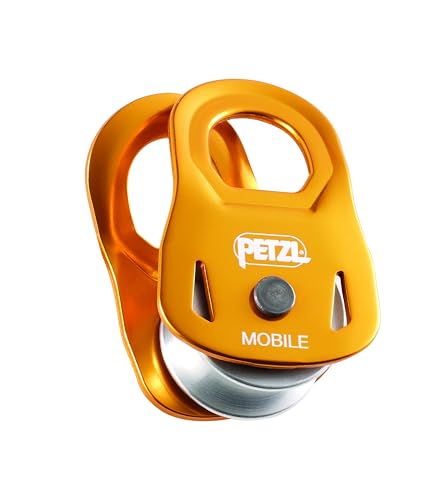
Petzl’s Ultra-Compact Pulley emphasizes portability and ease of handling. It features swinging side plates for quick rope installation and a broad rope compatibility range from 6 mm to 13 mm. Best for: technicians who require a lightweight, versatile pulley for technical rope systems. Why selected: portability and broad compatibility make it a strong add-on in modular rigs. Caution: smaller frame may limit sheer capacity compared to larger industrial pulleys.
Buying Guide: Key Considerations For Rope Rescue Hauling Systems
- Mechanical advantage needs: Decide whether you require 3:1, 4:1, or 5:1 systems, and evaluate how many pulleys and knots your operation can manage in the field.
- Rope compatibility: Confirm maximum rope diameter and rope type (static vs dynamic) to ensure smooth operation and to prevent wear or binding.
- Material strength and certification: Look for kN ratings and certifications (CE/UIAA) when operating in regulated environments or demanding scenarios.
- Portability and weight: Assess pack weight and the bulk of the pulley kit, especially for remote or high-mobility missions.
- Maintenance and durability: Consider pulleys with sealed bearings or corrosion-resistant materials for long-term reliability in adverse conditions.
- System completeness: Some kits come ready with rope, edge restraints, and carabiners; others require additional components to complete the rig.
Frequently Asked Questions
- What is a progress capture system?
A progress capture system uses a Prusik or similar mechanism to hold a load in place when tension is released, then allows controlled movement when tension is reapplied. It is common in hauling and rescue setups.
- What indicates a good rescue pulley for rope hauling?
Look for high breaking strength (kN rating), compatibility with your rope size, sealed bearings for smooth rotation, and a design that prevents unintended knot passage (Prusik-minding).
- When should I choose a fixed plate pulley vs a micro double pulley?
Fixed plate pulleys are lightweight and simple for basic hauling; micro double pulleys are better for compact high-advantage rigging (4:1 or 5:1) in space-limited environments.
- Is ultracompact always best?
Not always. Ultra-compact pulleys are great for portability but may have lower load capacity or fewer configuration options than larger units.
- Do I need a pre-rigged system?
Pre-rigged systems save setup time in urgent rescues, but they may be bulkier and less flexible for unique rescue scenarios.
- What is Prusik-minding and why does it matter?
Prusik-minding prevents Prusik knots from slipping through the pulley under load, helping secure progress capture and load control.
Add a Comment