Answering common buyer questions: what safety gear best protects you on residential roofs, and which products suit different job needs. This guide highlights five top options and explains who should choose each, based on construction style, rope length, and anchor needs. Ideal for professional roofers, DIY homeowners tackling roof repairs, and contractors working on single-family homes.
Summary of selected products:
| Product | Type | Key Feature | Best For |
|---|---|---|---|
| TRSMIMA Rope Harness Safety Lanyard – 50 ft | Rope Lanyard | 50 ft braided rope, ANSI/CE, 310 lb capacity | Extended overhead work, larger roofs |
| TT TRSMIMA Safety Harness Fall Protection Kit | Full Kit | Harness + 50 ft rope + rope grab | All-in-one kit for new job setups |
| TRSMIMA Rope Harness Safety Lanyard – 25 ft | Rope Lanyard | 25 ft braided rope, ANSI/CE, 310 lb capacity | Narrow or shorter roof runs |
| DIJJIG Rope Harness Safety Lanyard – 150 ft | Rope Lanyard | 150 ft vertical lifeline, 310 lb capacity | Large roofs, long lifelines |
| Peakworks Temporary Roof Anchor Bracket | Roof Anchor | 5,000 lb tensile strength, single person use | Temporary anchorage on various roof types |
TRSMIMA Rope Harness Safety Lanyard 50ft – Heavy Duty Roof Safety Rope

Features a 50-foot vertical rope assembly with a 0.55-inch diameter, constructed from braided 100% polyester. This setup provides solid layering and secure terminations to maximize safety and stability. Max weight capacity is 310 lbs. An alloy steel rope grab with double-locking mechanism and anti-panic locking offers high reliability during a fall event. Two steel snap hooks ensure a strong connection with harnesses and anchors. Best for: professional roofers needing a longer, robust rope system for standard residential roofs. Caution: ensure correct use of the rope grab and hooks to avoid misalignment during movement.
TT TRSMIMA Safety Harness Fall Protection Kit

This kit includes a tongue-buckle harness, 50 ft roofing rope with rope grab and snap hook, along with a 5-gallon bucket and steel roof anchor. The orange harness enhances visibility on the job, with sizing supporting 130–310 pounds. The rope is 50 ft, braided, and features a double-locking rope grab with anti-panic locking. Best for: new users seeking an all-in-one fall protection setup with an anchor and storage. Caution: read and understand all instructions before use to ensure proper fit and operation.
TRSMIMA Rope Harness Safety Lanyard 25ft – Compact Safe Lifeline
A shorter 25 ft vertical rope option with the same 0.55-inch braided polyester rope and ANSI/CE compliance. It uses a double-locking rope grab with two steel snap hooks for secure connections. Best for: smaller roof sections or projects where shorter lifelines are preferred for maneuverability. Caution: limited rope length may require more frequent anchor repositioning on larger structures.
DIJJIG Rope Harness Safety Lanyard 150ft

This model offers a 150-foot vertical lifeline with a 0.55-inch diameter, engineered from high-strength polyester. It includes two steel spring hooks, a rope grab hook, and an integrated lifeline assembly designed to support 310 pounds. The anti-fall buffer provides cushioning during free fall up to six feet. Best for: large residential roofs or complex projects requiring extended reach and versatile attachments. Caution: the longer rope length may require more careful management to prevent entanglement or snagging on roof features.
Peakworks Temporary Roof Anchor Bracket
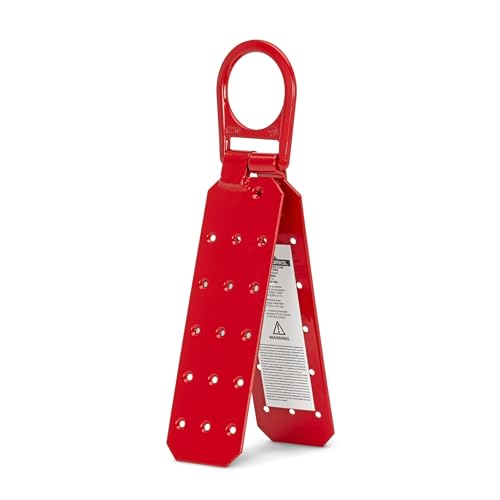
Sturdy, powder-coated red steel roof anchor bracket designed for temporary use as part of a personal fall arrest system. It has a minimum tensile strength of 5,000 lb and is intended for single-person use with a combined weight not exceeding 310 lb. Best for: quick, temporary anchorage on residential or commercial roofs during roof work. Caution: requires proper attachment to a compatible harness and lifeline system for safe operation.
Buying Guide
What type of safety equipment does a residential roofer need? The core components are lifelines, anchors, and fall-arrest gear. The right combination depends on roof size, height, fall distance, and the user’s experience level.
What lifeline length should you choose? Longer lifelines (like 150 ft) offer greater reach on large roofs but add handling complexity. Medium-length options (50 ft) balance maneuverability and safety, while shorter lines (25 ft) are best for tight sections.
How do you choose between a kit and separate components? Kits provide an all-in-one solution with anchors and lifeline for quick deployment, ideal for new crews or one-off jobs. Separate components allow customization for ongoing projects or existing safety systems.
What should you look for in rope and hardware? Look for ANSI Z359.1 compliance, heavy-duty braided polyester ropes, high breaking strengths (at least 3,600–5,000 lb gate ratings), and corrosion-resistant steel hooks. Ensure the harness fits your body size and provides adequate adjustability.
Where should anchors be placed? Anchors should be installed at structurally sound points, compatible with your full-body harness and rope system. Temporary brackets are useful for quick setups, while permanent anchors provide long-term reliability on recurring jobs.
How to use safety equipment properly? Always read Instructions for Use before first use. Check for signs of wear, ensure rope grabs engage correctly, and verify that hooks and D-rings are securely connected before climbing. Maintain a clear, clutter-free workspace.
Key purchase considerations
- Rope length vs. roof size: match lifeline length to project scale.
- Weight capacity: confirm your body weight plus gear is within the specified limit.
- Compatibility: ensure lifelines, harnesses, rope grabs, and anchors work together.
- Durability: prioritize braided polyester ropes and corrosion-resistant steel components.
- Ease of use: consider anti-panic features and simple locking mechanisms for quick response.
Safety and compliance overview
Use equipment that complies with relevant standards (for example ANSI Z359.1). Regularly inspect for wear, fraying, or loose fittings. Replace any damaged components promptly and never improvise safety gear.
Frequently asked questions
- What is the typical lifeline length for residential roofs? A: Common options range from 25 ft to 150 ft, depending on roof size and project scope.
- Do I need a full kit or can I assemble components separately? A: A kit is faster to deploy and ensures system compatibility; separate components allow customization for ongoing projects.
- What weight capacity should I expect? A: Look for lifelines and anchors rated for at least 310 lbs, with rope grabs and hooks rated higher (3,600–5,000 lbs).
- Are temporary roof anchors as safe as permanent ones? A: Temporary anchors are designed for single-use or short-term projects and should be used with compliant harnesses and lifelines.
- How should I store safety gear when not in use? A: Store in a dry, cool place away from sharp edges and direct sunlight; keep components in their protective pouches or buckets to prevent damage.
- Is professional instruction required to use fall protection gear? A: While not always mandatory, formal training improves safety and ensures correct usage for complex systems.
Add a Comment