If you’re choosing a power washer that handles both hot and cold water, you’re seeking versatile cleaning power for oils, grease, concrete, equipment, and outdoor surfaces. This guide highlights five top options, explains who they’re best for, and compares their strengths and limits. Whether you’re a contractor, farm manager, or homeowner tackling annual spring cleaning, these machines offer clear advantages for hot-water or cold-water tasks.
Buyer profile snapshot: The following picks cover commercial-grade hot-water units and versatile cold-water models with hot-water capability. Use the table to compare core specs at a glance before diving into detailed product sections.
| Product | Best For | Key Strength | Limitations |
|---|---|---|---|
| NorthStar Electric Wet Steam and Hot Water Pressure Washer | Commercial cleaning, grease-heavy sites | High temperature rise, wet steam up to 250°F, automatic start/stop | Electric power limited to 230V; mobility depends on power source |
| DigMaster Hot Water Pressure Washer | Industrial maintenance, remote sites | 212°F water, gas-powered heat, independent operation | Gas-powered; less portable than small electric units |
| KoreJetMetal 4000 PSI Hot Water Washer | Heavy-duty trucks, shop floors | AR pump, 4000 PSI, 185°F heating | Heavy and loud; professional use |
| Simpson 4400 PSI Gas Pressure Washer | Decks, paint prep, professional crews | High PSI/flow, durable frame, portable | Cold-water only; no integrated heating |
| Westinghouse WPX3000e Electric, 3000 PSI | Home projects, cars, fences | Balanced power, onboard soap tank, multiple nozzles | Electric 120V; limited hot-water capability |
NorthStar Electric Wet Steam And Hot Water Washer

NorthStar’s 2750 PSI electric unit combines high-pressure cleaning with wet steam capability. It delivers a rapid 150°F rise plus 250°F wet steam to soften and melt heavy soils, oils, and industrial grime. Best for commercial facilities, warehouses, and maintenance crews needing hot-water efficiency without propane or diesel fuel. The integrated Total Start and Stop system reduces idle running and saves energy between trigger pulls. Best for operators who prefer an electric option with strong heat-assisted performance.
Who it’s best for: Property managers and commercial cleaners who work around electricity access and want high-temperature cleaning without fuel handling.
Why selected: It balances hot-water capability and steam for stubborn grime, with a robust 2750 PSI/2.5 GPM rating and auto-start/stop for efficiency.
Caution: Electric models require access to suitable outlets and cords; utility setups should match the unit’s voltage and amperage requirements.
DigMaster Hot Water Pressure Washer

DigMaster’s gas-powered unit provides true hot-water cleaning with 212°F water and 3.96 GPM. It is designed for professionals who need reliable heat on remote sites, farms, or construction jobs. The dual-fuel approach — a gasoline engine for power and a diesel burner for heating — lets the unit run independently of electrical power, ensuring consistent hot-water cleaning where outlets aren’t available.
Who it’s best for: Contractors and maintenance teams operating in remote locations or on larger sites where electrical power is unreliable.
Why selected: Real hot-water performance with strong flow, plus a heat source that doesn’t require a constant electrical supply.
Caution: Gasoline and diesel components require careful handling and safety precautions; outdoor use is common, but ventilation and fuel storage matter.
Hot Water Pressure Washer 4000PSI 4GPM (ATTACHXPRO)
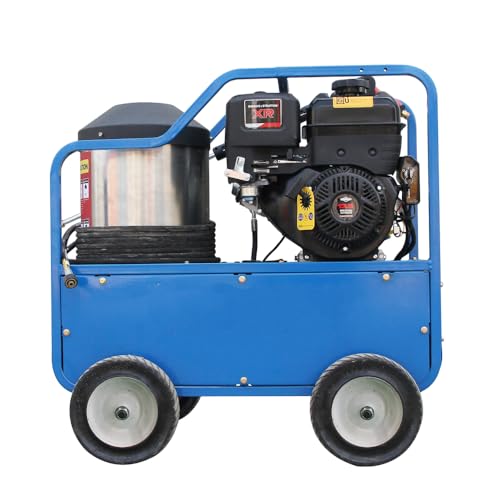
This commercial unit delivers 4000 PSI and 4.0 GPM with an integrated heating system to produce hot water that dissolves tough oils and grime. Powered by a heavy-duty gas engine and a durable AR pump, it’s built for frequent, demanding cleaning tasks on trucks, machinery, and industrial sites. The combination of heat and high flow accelerates stubborn cleaning jobs and reduces overall labor time.
Who it’s best for: Heavy-duty users who require quick, hot-water cleanup on large surfaces or equipment.
Why selected: High temperature and flow, with a tough pump designed for prolonged use.
Caution: Corrosion-resistant construction matters; ensure regular maintenance of the AR pump to avoid downtime.
KoreJetMetal 4000 PSI Hot Water Washer
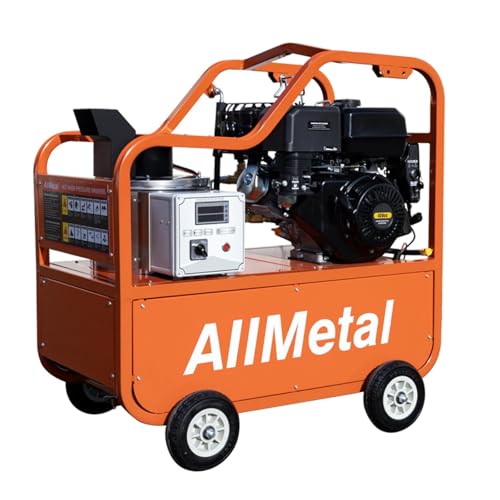
KoreJetMetal’s model combines 4000 PSI, 4.0 GPM, and a 420cc gas engine with an AR pump for heavy use. It brings hot water up to 185°F in about two minutes, making it efficient for removing heavy grease and industrial buildup on trucks, equipment, and shop floors. A dual-safety approach includes Oil Sentry to shut down the engine if oil is low and a thermal pump protector to reduce overheating risk.
Who it’s best for: Professional crews that demand quick heat, reliable pumping, and long-term durability.
Why selected: Strong heat, solid pump construction, and protective features that help minimize downtime.
Caution: All-metal and high-power design mean louder operation and greater footprint.
Simpson 4400 PSI Gas Pressure Washer

Simpson’s 4400 PSI gas-powered model is built for professional cleaning tasks, especially deck restoration, paint prep, and large surface cleaning. It features a premium CRX 420cc engine and a AAA industrial triplex plunger pump for high-pressure output. The welded steel frame with 13-inch pneumatic tires ensures durability and mobility across job sites.
Who it’s best for: Professional contractors and heavy-duty cleaners seeking reliable cold-water power with strong overall performance.
Why selected: High PSI and durable design make it a dependable all-round workhorse.
Caution: This is a cold-water unit; you’ll need a hot-water setup if you specifically require heated cleaning.
Westinghouse WPX3000e Electric Pressure Washer
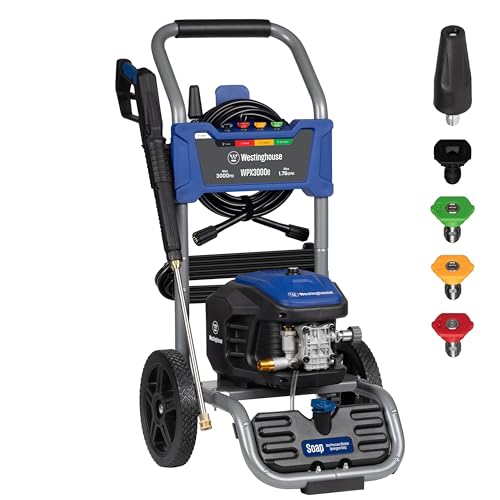
Westinghouse offers a balanced electric unit with 3000 max PSI and 1.76 max GPM, suitable for cars, fences, patios, and home surfaces. An onboard soap tank and a 25-foot hose with five quick-connect nozzles (0°, 15°, 25°, soap, turbo) provide flexible cleaning options. It’s designed for homeowners who want a compact yet capable electric option.
Who it’s best for: Homeowners and light commercial users needing reliable, easy-to-use power washing.
Why selected: Good overall value, versatile nozzle set, and onboard soap for easier cleaning.
Caution: Not designed for heavy industrial use or sustained hot-water cleaning.
Buying Guide: Hot Water And Cold Water Power Washers
How to choose by power source
Electric models are quiet, cleaner to operate indoors, and offer utility-grade reliability for daily tasks. Gas-powered units deliver maximum portability and heat, ideal for remote sites or heavy-duty cleaning where outlets aren’t available. Consider where you’ll use the washer most often and whether you need built-in heating or external heating options.
Do you need hot water or steam?
Hot-water capability dramatically improves grease and oil removal, especially on concrete, equipment, and vehicles. Steam helps loosen stubborn grime in tight corners. If your tasks include oil buildup, choose a unit with hot water and optional steam features.
Pressure and flow matters
PSI indicates cleaning power; GPM shows the water volume. Higher PSI and GPM yield faster cleanup on tough jobs. For heavy-duty applications, aim for 3000+ PSI with 3.0+ GPM. For light residential tasks, 2000–3000 PSI with 1.5–2.0 GPM is typically sufficient.
Portability and durability
Consider weight, wheel size, frame construction, and fuel type. Heavier gas-powered machines are durable for job sites but require transport planning. Electric units are easier to move indoors but depend on power access.
Maintenance and safety
AR pumps and triplex models tend to be durable but may require regular maintenance. Look for auto-shutoff features, thermal protection, and safety devices like low-oil shutdown. Follow fuel and electrical safety guidelines for your chosen model.
Maintenance checklist
- Inspect hoses for wear and leaks; replace damaged sections promptly.
- Check oil and fuel levels for gas-powered units; follow manufacturer intervals.
- Flush the system after heavy use; run clean water through to prevent buildup.
- Store units in a dry, covered area to prevent corrosion.
FAQ
- What is the difference between hot-water and cold-water washers?
- Can I use hot water on a cold-water model?
- Is a gas-powered washer better than an electric one?
- What should I consider for maintenance?
- Are there safety concerns with hot-water washers?
- Which model is best for heavy industrial use?
Hot-water washers heat water to dissolve grease and oils, providing faster cleaning for industrial soils. Cold-water units rely on high PSI and scrubbing action, best for general dirt and outdoor surfaces.
Many cold-water models do not have integrated heating; attempting to heat water may require an external heat source or a unit designed for hot water.
Gas-powered units offer greater mobility and heat, suitable for remote sites. Electric units are lighter, quieter, and suited for cleaner, indoor environments.
Prioritize pump quality (AR or triplex), oil levels on gas units, hose integrity, and cleaning of filters. Regular service extends life and performance.
Hot-water systems can pose burn hazards. Wear protective gear, follow start-stop procedures, and ensure proper ventilation when operating near combustible materials.
Models with 4000 PSI and AR or triplex pumps, plus robust heating options, are designed for heavy-duty cleaning on trucks, machinery, and concrete.
Add a Comment