Power ramp dock levelers improve dock-to-truck transitions by adjusting height and angle to match the vehicle bed. This guide highlights five strong options for American buyers seeking reliability, durability, and smoother operation in commercial warehouses or loading docks. Each product is suited for different use cases—from high-volume facilities needing electric hydraulics to budget-conscious sites that can rely on mechanical edge-o-dock technology. Below you’ll find a quick product table, followed by detailed, comparison-focused sections to help you pick the right model.
| Product | Best For | Capacity | Drive Type | Key Benefit |
|---|---|---|---|---|
| Vestil FM-2072 Mechanical Edge-O-Dock Leveler | Facilities needing mechanical reliability on a budget | 20,000 lb | Mechanical | Durable steel with end bumpers for dock/truck protection |
| Bluff Edge-Of-Dock Levelers – 66″W Plate | Older facilities upgrading to a robust plate style | 20,000 lb | Mechanical | Wide 66″ plate for large pallets and improved reach |
| Vestil EH-68-25 Electric Hydraulic Dock Leveler | High-traffic docks needing powered operation | 25,000 lb | Electric hydraulic | Push-button control with emergency stop and auto return |
| Vestil PE-2072 Electric Edge-O-Dock Leveler | Durable, electric edge-to-dock balancing | 20,000 lb | Electric hydraulic | Heavy-duty build with 18″ bumper protection |
| Main Spring – Pioneer Dock Leveler | Simple, budget-friendly mechanical option | Not stated | Mechanical | Compact, straightforward design for smaller operations |
Vestil FM-2072 Mechanical Edge-O-Dock Leveler

The Vestil FM-2072 is a mechanical edge-o-dock leveler designed to correct height differences between a truck and the loading dock. The unit uses steel construction for strength and includes 18″ high bumpers on each end to protect both dock and truck. This model is best for facilities prioritizing rugged, low-maintenance operation without hydraulics. Choose this if you want a reliable, lower-cost solution that still handles heavy pallets and large loads. A limitation is the lack of powered raising and lowering, which means manual effort is required for operation in some settings.
Bluff Edge-Of-Dock Levelers – 66″W Plate

The Bluff Edge-Of-Dock Levelers feature a wide 66″ plate and a robust 20,000 lb capacity, made from steel for long-term durability. The large bearing surface helps stabilize pallets and reduces dock or ramp damage during high-volume operations. Best for facilities needing a wide, solid platform and straightforward mechanical operation. This option is better for sites where hydraulic systems are unavailable or undesired. A potential drawback is the manual installation and adjustment process typical of mechanical edge-dock devices.
Vestil EH-68-25 Steel Electric Hydraulic Dock Leveler
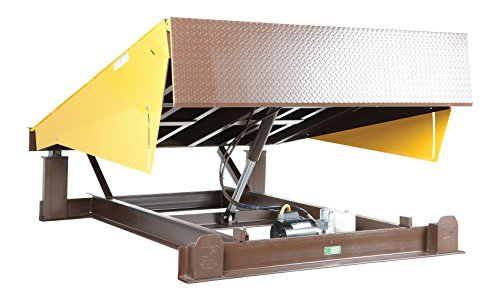
The Vestil EH-68-25 is a top-tier electric hydraulic dock leveler offering smooth, powered operation at high-traffic docks. It includes a state-of-the-art push-button control box with an emergency stop and automatic returns to the level cross-traffic position. Best for facilities needing efficient, hands-free leveling and quick cycle times. A limitation is that installation and maintenance may require electrical access and skilled servicing, which could increase upfront costs.
Vestil PE-2072 Steel Electric Edge-O-Dock Leveler
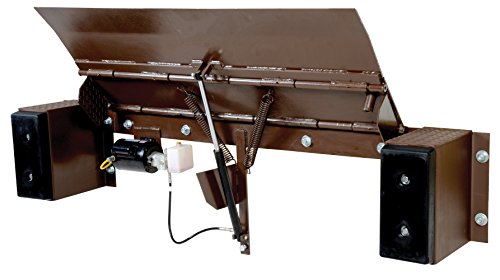
The Vestil PE-2072 combines electric hydraulic action with an edge-to-dock design, providing reliable height adjustment and robust protection with 18″ bumpers on each end. It is well-suited for facilities with frequent dock-to-truck transfers and a need for consistent cross-dock alignment. Opt for this model if you require strong, durable construction and easier operation via electrical controls. A potential caveat is higher initial cost relative to mechanical alternatives.
Main Spring – Pioneer Dock Leveler

The Pioneer Dock Leveler by Main Spring emphasizes a simple, mechanical approach. It is designed for basic operation with fewer moving parts, making it a potential budget-friendly option for smaller facilities or occasional use. Best for customers who want straightforward, maintenance-light equipment with predictable performance. A limitation is that it may not offer the quick, effortless operation or high-capacity handling of powered units.
Buying Guide
- Capacity needs: Match the dock leveler’s rated load to the heaviest pallets or containers you regularly move. Heavier operations may justify electric hydraulics for faster, safer cycles.
- Drive type: Electric hydraulics offer smoother, hands-free operation and automatic returns; mechanical units are simpler, cheaper, and require less maintenance but need manual lifting or positioning.
- Dock width and pallet size: Ensure plate width and deck length accommodate your standard pallets and truck bay dimensions. A wider plate reduces edge wear and helps align loads.
- Safety features: Look for emergency stops, anti-slip surfaces, and proper bumper protection to reduce damage and injuries during loading and unloading.
- Maintenance and installation: Electrical units may require licensed service and electrical connections. Mechanical models are easier to install in some spaces but may demand more manual effort over time.
- Budget vs. value: Consider total cost of ownership, including installation, maintenance, and downtime. Higher upfront costs can yield lower lifetime maintenance if powered options are chosen wisely.
Frequently Asked Questions
- What is a dock leveler and why do I need one? A dock leveler bridges the gap between a loading dock and a truck bed, correcting height differences and enabling safe, efficient loading and unloading.
- Electric vs. mechanical: which should I choose? Electric hydraulic systems offer easier operation and faster cycles, ideal for high-volume docks. Mechanical units are simpler, cheaper, and reliable for lower-traffic sites.
- What capacity do I need? Choose a leveler with a rated capacity equal to or higher than the heaviest pallet or container you handle, plus some margin for safety.
- Are there safety certifications I should look for? Check for built-in safety features like emergency stops and proper bumper protection; confirm installation complies with local codes and manufacturer guidelines.
- How difficult is installation? Mechanical levelers are typically easier to install; electric units may require electrical connections and professional installation.
- What maintenance is required? Mechanical units require periodic lubrication and inspection of components; electric units need electrical and mechanical service, plus sensor checks for smooth operation.
Add a Comment