When you need reliable, dry electrodes on the job, a portable welding electrode oven is essential. These ovens keep sticks moisture-free, reduce hydrogen porosity, and let you weld with confidence away from the shop. This guide highlights top 5 options suitable for different trades and site conditions, with clear guidance on who benefits most from each design.
| Product | Capacity | Temp Range (approx.) | Best For |
|---|---|---|---|
| YESWELDER 15lb Portable Welding Rod Oven | 15 lbs | 85–300°F | Lightweight portability, mid-sized jobs |
| TOOLIOM 11lb Portable Welding Rod Dryer Oven | 11 lbs | 120–390°F | Moisture-sensitive electrodes, on-site repairs |
| VEVOR 50LBS Capacity Oven | 50 lbs | up to 300°F | Large reels, heavy-duty fabrication |
| ARC UNION 20 lb Oven | 20 lbs | 80–300°F | Durable, portable for shops and outdoors |
| VEVOR 10LBS Capacity Oven | 10 lbs | 86–302°F | Compact, adjustable heat for 18″ sticks |
Throughout this guide, you’ll see practical notes like “best for” and “avoid this if,” based on each model’s stated features. Each choice serves different job sizes, environments, and electrode needs.
YESWELDER 15lb Portable Welding Rod Oven
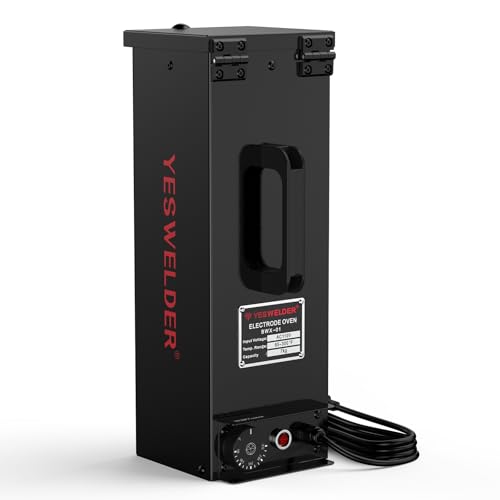
Best for: small-to-mid workloads and mobile projects. This 15-pound capacity rod oven is designed to keep 14-inch or shorter electrodes dry, with a temperature range from 85°F to 300°F. Its compact form weighs under 8 pounds, making it easy to carry between the workshop, garage, and outdoor sites. The large lid opening and easy-grip handle support quick access to rods, even when wearing gloves. A potential limitation is its 14-inch rod compatibility, which may not suit longer rods used by some industrial users.
TOOLIOM 11lb Portable Welding Rod Dryer Oven

Best for: on-site moisture control with higher heat settings. This model handles up to 11 pounds and features a wide 120°F–390°F temperature range, enabling thorough moisture removal for sensitive electrodes such as E7018 low-hydrogen and stainless varieties. It is ideal for frequent field repairs or fabrication shops needing quick turnaround. A caveat is that the maximum 390°F is higher than some competitors, which can be overkill for basic drying in low-temperature tasks.
VEVOR Portable Welding Rod Oven (50 LBS)
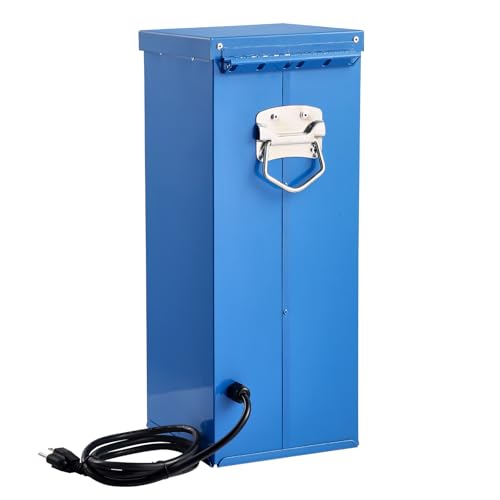
Best for: large workshops and long welding sessions. This high-capacity oven holds up to 50 pounds of 18-inch electrodes and provides fast drying up to 300°F with a dedicated 420W heating element. The built-in handle and locking latch prioritize transport safety, and its size makes it more suitable for permanent workshop setups. It’s heavier than portable models, so plan for site movement constraints when choosing this for field work.
Arc Union 20 lb Dry Electrode Oven
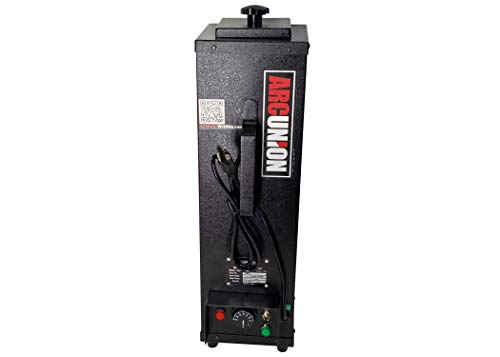
Best for: durable, portable performance with tight moisture control. The Arc Union oven emphasizes high-quality steel construction and a powder-coat finish for rugged environments. It supports 80–300°F operation and includes features to protect electrodes from moisture-related issues. A potential limitation is that the moisture protection is not paired with a highly adjustable temperature range, so it’s best for standard drying tasks rather than extreme heat cycling.
VEVOR Portable Welding Rod Oven (10LBS)

Best for: compact setups needing adjustable heat control. This 10-pound capacity oven provides a range from 86°F to 302°F, making it suitable for consistent drying of 18-inch electrodes. Its safety latch adds transport security, and the device’s smaller footprint makes it appealing for mobile welders with limited space. A note: capacity is lower than mid-sized and large models, so frequent electrode changes may be necessary on long jobs.
TIANGUOHE Portable Welding Rod Oven

Best for: economical, lightweight field use. The TIANGUOHE model holds 11 pounds and supports up to 180°C (356°F) with auto cycling to maintain set heat. It works well for 18-inch or 450mm electrodes and includes a removable rack for easy electrode access. A limitation is that the cycling logic may cause minor temperature fluctuations if power is interrupted, so stable power improves performance.
Buying Guide: How To Choose The Right Portable Welding Rod Oven
- Capacity vs. typical project size: Choose 10–15 pounds for freelance or small shop use; 20–50 pounds for larger fabrication or frequent fieldwork.
- Temperature range needs: If you routinely dry low-hydrogen or stainless electrodes, select models with higher max temperatures (around 390°F) or adjustable controls.
- Portability: Lighter units under 10 pounds excel for travel and quick-response jobs; heavier units suit a fixed shop environment with a dedicated drying rack.
- Build quality and safety: Look for sturdy metal housings, locking latches, and easy-access lids to minimize moisture exposure during loading and unloading.
- On-site usability: Consider models with easy-grip handles, wide lids, and glove-friendly access for faster rod management in the field.
- Power requirements: Most units use 110V outlet power; verify cord length and plug type to fit your typical worksite power setup.
Frequently Asked Questions
- What is the main purpose of a welding electrode oven?
Answer: To keep welding electrodes dry, preventing moisture-related porosity and ensuring consistent weld quality. - Can I dry all electrode types in a single oven?
Answer: Most ovens handle common 14–18 inch sticks; verify the specific rod length capacity before purchase. - What temperature should I use for dry-stick welding?
Answer: Typical drying temperatures range from about 120°F to 300°F, with some models offering higher max temps for specialized rods. - Is portability important for field welders?
Answer: Yes; lighter, compact models improve on-site efficiency and reduce setup time on remote jobs. - Do these ovens require special maintenance?
Answer: Regular checks for seals and lid integrity help prevent moisture ingress; follow the manufacturer’s guidelines for cleaning and storage. - Should I choose a large-capacity oven for all jobs?
Answer: Choose a larger unit if you frequently weld many rods in one session; otherwise, a smaller model may save space and weight.
Add a Comment