Looking for a reliable pipe profile cutting machine to handle diverse pipe diameters, thicknesses, and contour work? This guide showcases five top options that balance precision, portability, and value. The best fits vary from portable bevelers for on-site work to robust machines for shop fabrication. Ideal buyers include: contractors needing on-site beveling, metal fabricators requiring accurate profiling, DIY enthusiasts tackling complex pipe shapes, and professionals seeking durable, long-service tools.
Buying at a glance: the following table highlights key aspects of the selected products to help narrow choices quickly.
| Product | Best For | Diameter/Thickness Range | Notable Benefit |
|---|---|---|---|
| VEVOR CG2-11Y | Industrial pipe beveling | 4.25″–24″ dia; 0.2″–2″ thick | Three cutting tips for flame control |
| PREAsion 0.6″–8.7″ Pipe Cutting Machine | Portable pipe cutting | 0.6″–8.7″ | Non-slip wheels; safety cover |
| RIDGID 93492 Copper Cutting Machine | Copper and stainless steel prep | 1/2″–2″ pipe | Deburr and clean inside fittings |
| JCTLIYXG Multi Surface Pipe Profiling Tool | Contour and saddle shaping | Multiple pipe sizes via removable pins | Industrial-grade durability |
| KAKA INDUSTRIAL Roll Bending Machine RBM-40HV | Profile bending and formation | Various bars and tubes | Horizontal/vertical operation |
VEVOR CG2-11Y Manual Pipe Cutting and Beveling Machine

Best for: on-site pipe beveling and heavy-duty cutting tasks. This model supports a wide diameter and thickness range and includes three cutting tips for propane variants, increasing flame stability during cuts. The 87-inch chain secures the torch cutter to the pipe, which helps maintain alignment on irregular surfaces. The adjustable 0°–45° bevel angle accommodates common fabrication needs. A potential limitation is the size and weight, which may affect portability on tight job sites.
PREAsion 0.6″-8.7″ Pipe Cutting Machine
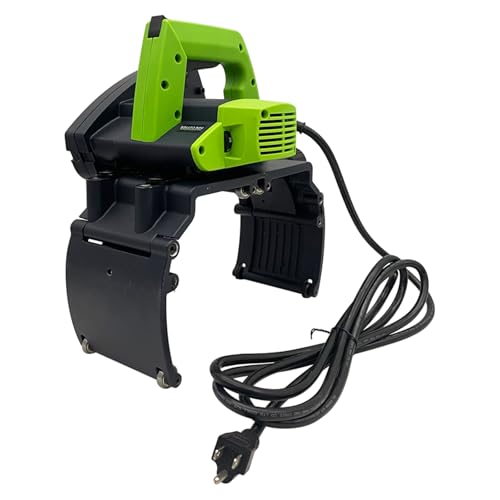
Best for: portable cutting of plastic and metal pipes with adjustable diameter. It emphasizes cutting accuracy via non-slip wheels and an eccentric mechanism, plus a protective cover for safety. Its cold-processing cut results in smooth surfaces with no burrs. Choose this if you need a compact solution with adjustable cutting ranges for various pipe materials. A limitation to note is that performance can vary with harder metals and frequent heavy-duty use.
RIDGID 93492 Copper Cutting and Prep Machine

Best for: copper tubing and fittings prep with deburring. It features a rugged cast-aluminum housing and a 1/3 HP motor for durability. The reamer and brush help prepare tubing surfaces for joining. This machine is well-suited for shop environments where corrosion resistance and continuous use matter. Limitations include its focus on copper and small-diameter work, which may not cover larger or multi-material projects.
JCTLIYXG Multi Surface Pipe Profiling Tool

Best for: precise contour capture and transfer for pipe saddles across materials like wood, metal, plastic, and tile. Its rugged ABS and fiberglass-reinforced construction provide notable durability, while detachable pins enable flexible mold configurations for various pipe sizes. Use this tool when you need repeatable, high-accuracy profiling. A potential drawback is setup time if you frequently switch between pipe sizes.
KAKA INDUSTRIAL Roll Bending Machine RBM-40HV

Best for: heavy-duty profile bending and forming of flat bars, tubes, and square sections. The 1.5 kW motor and 230V three-phase power support controlled rolling for diverse materials. Horizontal and vertical operation expands workshop layout options. A limitation is that it’s a larger, stationary machine better suited for dedicated fabrication spaces rather than portable job sites.
Buying Guide: Key Considerations For Pipe Profile Cutting And Shaping
- Purpose and material: Determine whether you need beveling, cutting, deburring, or profiling. Extract the best feature from each tool that matches your primary material (copper, PVC, steel, or multi-material work).
- Diameter and thickness: Confirm the machine’s workable range. If you frequently switch between small-diameter and large-diameter pipes, prioritize adjustable or dual-range models.
- Portability: For fieldwork, weigh weight, ease of transport, and quick setup. Portable units may sacrifice some capacity or stability.
- Safety features: Look for protective covers, anti-slip components, and safe-start mechanisms to reduce the risk of accidents during cutting and beveling.
- Durability: Consider construction materials (cast aluminum, ABS, fiberglass reinforcement) and motor power for long-term performance in harsh environments.
- Accessories and versatility: A kit with multiple tips, blades, or adjustable angles expands use cases and reduces the need for additional purchases.
Frequently Asked Questions
- What is a pipe profile cutting machine used for?
It is used to shape, bevel, or notch pipes along a profile, enabling accurate joints and complex pipe assemblies in fabrication and construction projects.
- Can these tools cut different pipe materials?
Yes, many models support copper, stainless steel, PVC, and plastic pipes, but check the manufacturer’s stated material compatibility and limits.
- Is portability important for on-site work?
Yes. Lighter, compact models with integrated clamps and ease of setup are beneficial for field use, while heavier machines suit shop environments.
- What maintenance helps extend tool life?
Regular cleaning, proper lubrication of moving parts, and using the correct tips or blades for each material reduce wear and maintain accuracy.
- Do these tools require special safety gear?
Yes. Use eye protection, gloves, and hearing protection as appropriate. When using flame-based bevelers, follow fuel and ventilation guidelines.
Add a Comment