Medium density polyethylene (MDPE) pipes offer reliable performance for water, gas, and general purpose piping projects. This guide highlights five MDPE options that balance durability, pressure ratings, and ease of handling. Each product is reviewed with key features and practical considerations to help you choose the right pipe for your residential or light commercial needs. The selection emphasizes pipe size, pressure rating, and suitability for potable water where applicable.
| Product | Size | Pressure | Key Use | Brand |
|---|---|---|---|---|
| 3/4″ IPS Yellow MDPE Gas Pipe | 3/4″ IPS | 2708 (SDR-11) | Gas piping | Oil Creek |
| Cresline 3/4″ x 400′ MDPE Pipe | 3/4″ x 400′ | 160 PSI | General MDPE plumbing | Cresline |
| Cresline 1″ x 100′ MDPE Pipe | 1″ x 100′ | 80 PSI | Not for potable water | Cresline Plastic |
| Cresline 1-1/4″ x 100′ MDPE Pipe | 1-1/4″ x 100′ | 160 PSI | Drinking water | CRESLINE PLASTIC PIP |
| Cresline 100′ MDPE Pipe | 100′ Roll | 125 PSI | General MDPE piping | Cresline Plastic |
3/4″ IPS Yellow MDPE Gas Pipe – 50 Ft. (SDR-11)

Size and material: 3/4″ IPS MDPE pipe, yellow color indicating gas service. The 50-foot length provides flexibility for small-to-medium runs. The SDR-11 rating emphasizes a balance between pressure resistance and flexibility, which can simplify routing through tight spaces. Suitable for gas distribution within allowed codes, this pipe is designed to handle typical residential gas line applications with MDPE’s known chemical resistance and relatively high impact tolerance.
Considerations: When using MDPE for gas, ensure proper seals and connectors rated for gas service, and verify local code compliance. The color coding helps distinguish gas lines on-site, reducing accidental cross-utility risk. This option is best for shorter gas runs or repair projects where MDPE’s jointing methods and flexibility offer practical advantages.
Cresline 3/4″ X 400′ MDPE Pipe

Size and pressure: 3/4″ diameter, 400 feet long with a 160 PSI rating. This MDPE pipe is commonly used for residential water distribution and service lines where moderate pressure support is sufficient. The HDPE/PE material provides durable, chemical-resistant performance suitable for cold-water supply in many jurisdictions.
Considerations: Long rolls reduce joints and potential leak points, aiding smoother installation along longer runs. Verify that the pipe aligns with your local potable water requirements and that connectors and fittings are compatible with Cresline MDPE. When planning, consider trench depth, protection from sunlight, and any required tracer wire for future locate capabilities.
Cresline 1″ X 100′ MDPE Pipe

Size and use: 1″ diameter, 100 feet, rated 80 PSI. This pipe is positioned for smaller-diameter distribution needs where potable water may be involved, though the product notes note it is not for potable water in some cases, so confirm suitability for your specific project. The MDPE material helps resist cold weather cracking and maintain ductility at low temperatures.
Considerations: Check whether this line is approved for your intended water service (potable vs non-potable). Ensure compatibility with fittings, and consider the overall system design to avoid undersizing or excessive friction losses on longer runs.
Cresline 1-1/4″ X 100′ MDPE Pipe

Size and rating: 1-1/4″ diameter, 100 feet, rated up to 160 PSI. This larger MDPE size is suitable for higher-flow water distribution or pressure-rated supply lines in both residential and light commercial contexts. It is designed for drinking water use, with NSF considerations noted by the listing, which can inform compatibility with potable water systems when appropriate.
Considerations: For drinking water applications, ensure NSF approval aligns with your project’s health and safety requirements. Plan jointing methods (e.g., compression fittings or butt fusion where applicable) and verify that standard MDPE fittings are compatible with the selected pipe size.
Cresline 100 ft MDPE Pipe 125 PSI
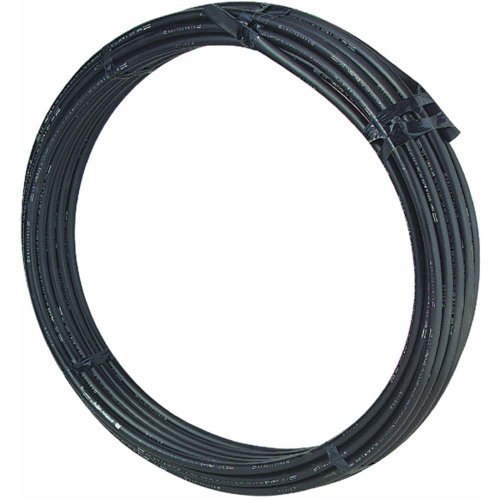
Size and rating: 100-foot roll, 125 PSI. This option provides a robust choice for mid-range pressure requirements and flexible routing in longer runs without requiring splices in tight spaces. The 125 PSI rating supports more demanding service scenarios compared with lower-rated pipes, enhancing reliability in water distribution or general piping layouts.
Considerations: For best performance, select connectors and fittings rated for the 125 PSI class and confirm compatibility with your system’s materials. Use protective measures against sun exposure and ensure proper support to prevent sagging over long spans.
Buying Guide: Key Purchase Considerations
MDPE pipe selection depends on application, temperature exposure, and regulatory requirements. The following factors help ensure a sound choice:
- Application suitability: Distinguish potable water from non-potable and gas service. Some MDPE pipes are explicitly approved for drinking water, while others are intended for general use or gas. Compliance with local building codes is essential.
- Pressure rating and SDR: Higher PSI ratings support heavier flow and longer runs. Match SDR and pressure class to your anticipated service conditions and the planned length of run.
- Diameter and length: Choose pipe diameter that delivers required flow without excessive friction losses. Longer runs can benefit from larger-diameter sections to reduce head loss, but be mindful of installation constraints and fittings availability.
- Material compatibility: Ensure fittings, joints, and connectors are compatible with MDPE and the chosen diameter. Verify if fusion, compression, or mechanical joints are appropriate for your project.
- Installation considerations: MDPE pipes offer flexibility and ease of handling. Plan for trench depth, surface protection, and potential exposure to UV light. Use recommended tools for cutting and joining to maintain system integrity.
- Code and standards: Look for NSF approvals for potable water lines and verify that gas piping configurations follow appropriate codes and standards. Local regulations may require specific color-coding or tracer wire.
- Availability and supplier reliability: Consider the availability of standard sizes and lengths, as well as the supplier’s warranty and support. Larger brands often provide broader accessory compatibility and documentation.
- Future-proofing: If planning expansions, consider adding extra length or larger diameter sections to minimize future splicing. Keep records of batch numbers and fittings for maintenance.
MDPE piping provides a versatile solution for water distribution, gas lines, and general piping projects. By evaluating the size, pressure rating, and intended use of each option, you can align your purchase with project requirements while maintaining code compliance and reliability.
Add a Comment