Low RPM electric gear motors are designed for tasks requiring high torque at slow speeds, such as conveyors, robotics, cams, and rotary tables. This guide highlights five suitable options, clarifying who each is best for and why. Read on to compare performance traits, installation notes, and practical limitations. The brief buyer table below helps you skim essential specs at a glance.
| Product | Voltage / Speed | Torque / Gear | Best For | Limitations |
|---|---|---|---|---|
| Bemonoc 6W 110V | 110V, 0-15 RPM | 26.6 lb.in, 1:90 ratio | Small production lines, adjustable direction | Single-phase AC; needs mains power |
| Jersvimc 12V 10RPM | 12V, 10 RPM | High torque with micro worm gear | Compact robots and precise micro-moves | DC power supply required |
| VQP 250W Geared Motor | 110V, 0-135 RPM | 16 nm torque | Heavy-duty automated equipment | Higher power; larger footprint |
| Greartisan 12V Gear Motor | 12V | All-metal gears, strong load | Durable and reliable for custom gearboxes | Standard output shaft; may need adapter |
| BRINGSMART 12V 12rpm | 12V DC, 12 RPM | Low speed with self-lock | Locking mechanisms, display stands, doors | Self-lock may limit continuous rotation |
Bemonoc 6W 110V Low RPM Gear Motor

This 6W single-phase AC motor delivers precise speed control from 0 to 15 RPM and reversible operation. The motor uses a 1:90 gear reduction (90k) and a maximum torque of 26.6 lb.in, making it suitable for small conveyors, micro-assembly lines, or vertical winches that require slow, controlled rotation. The alloy steel gears emphasize durability for longer service life. Best for compact production setups or hobbyist automation where mains power is readily available.
Who this is best for: small manufacturers and DIY integrators needing a reversible, low-speed motor with adjustable direction. Why selected: its adjustable low speed and dual-direction capability support fine-tuned tasks without frequent gear swapping. Caution: the 110V AC input may require appropriate electrical wiring and safety considerations in non-professional settings.
Jersvimc 12V 10RPM High Torque DC Motor

This compact 12V DC motor offers 10 RPM with a robust all-metal gear train. The device is designed for high torque relative to size, with a shaft 6 mm in diameter and a short profile that fits tightly into space-constrained installations. It uses precision windings to improve power transfer and durability, making it well-suited for micro-robotics, small automated feeders, and precise positioning tasks.
Who this is best for: designers building compact, torque-demanding subsystems. Why selected: the all-metal gear set and compact footprint enable high torque in tight spaces. Caution: requires a stable 12V supply and careful wiring to preserve direction and speed control.
VQP 250W Single-Phase Geared Motor

This geared motor combines a 250W induction motor with a gearbox and a variable speed range (0-135 RPM). Reversible operation supports conveyors, winches, and rotary platforms that require direction changes. The high torque (20+ Nm range) makes it suitable for medium-duty equipment where robust performance is needed. Best for: heavy-duty hobby machines or small industrial setups where a flexible speed range is advantageous.
Who this is best for: engineers and technicians implementing adjustable-speed drives in compact automation. Why selected: its combination of high torque and wide speed range supports flexible automation tasks. Caution: higher power means a larger footprint and more heat management considerations.
Greartisan 12V All-Metal Gear Motor
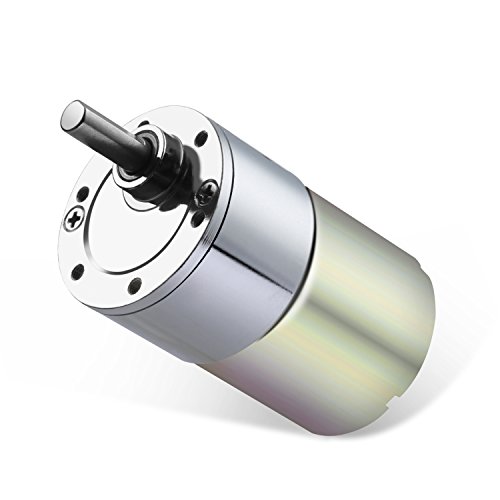
Greartisan’s 12V geared motor uses all-metal gears for high-temperature and wear resistance, delivering reliable torque for demanding tasks. The D-shaped output shaft improves compatibility with certain mounting arrangements and improves bearing life under load. This makes it a strong choice for custom gearboxes, robotic arms, and line-side actuators that require steady torque and durable construction.
Who this is best for: builders needing durable, high-load capability with a compact DC motor. Why selected: all-metal gears and copper wire core rotor provide robust performance and longevity. Caution: output shaft style may require compatible mounts or adapters for some designs.
BRINGSMART 12V 12rpm DC Worm Gear Motor

This 12V DC motor runs at 12 RPM and uses a micro-turbine worm gear with self-locking behavior. The vertical alignment of the motor shaft and reducer shaft supports compact mounting in devices like rotating tables, curtain mechanisms, safes, or robotics test fixtures. Self-locking helps hold position when power is removed, which is advantageous for certain passive-load applications.
Who this is best for: projects needing a self-locking low-speed drive with a predictable hold. Why selected: the self-lock feature reduces drift when power is off and improves energy efficiency in standby states. Caution: self-lock reduces continuous rotation capability; plan for use cases requiring reversible slow motion rather than continuous drive.
Buying Guide: Key Considerations For Low RPM Gear Motors
- Power Type: Choose between AC and DC depending on availability, control approach, and mains proximity. AC motors often suit fixed installations; DC motors are common in portable or battery-powered setups.
- Speed Range: Determine the necessary RPM range and whether you need adjustable or fixed speed. Some models offer 0-15 RPM, others 0-135 RPM, and others provide strong self-locking features.
- Torque Requirements: Compare rated torque relative to your load. High torque at low speeds is essential for conveyors, clutches, and rotary tables.
- Gear Quality: All-metal gears and precision machined reductions extend life under load. Materials influence heat resistance and wear characteristics.
- Mounting and Shaft: Check shaft diameter and shape (round, D-shaped) and ensure compatible mounts or adaptors for your framework.
- Space and Footprint: Heavier, higher-torque units may require more space and more substantial power supply or drive gear considerations.
- Control and Reversibility: If your application needs reversing, verify that the model supports bidirectional operation and how to wire for direction control.
- Safety and Power Supply: For AC models, ensure appropriate electrical safety practices. For DC models, stable supply rails prevent speed drift and torque loss.
FAQ: Quick Answers About Low RPM Gear Motors
- What is a low RPM gear motor best for?
– Best for tasks requiring high torque at slow speeds, such as conveyors, robotic joints, and rotary tables. - Do I need a gear motor with reversible operation?
– Choose reversible models when your process requires forward and backward rotation, like certain feeders or winches. - What is the difference between AC and DC low RPM motors?
– AC motors connect to mains and are common in fixed installations; DC motors offer easier throttling and are common in portable or battery-powered setups. - How do I select the right torque?
– Calculate the torque needed by multiplying the load force by the radius of the drive pulley or gear. Compare with motor torque ratings. - What maintenance is needed for gear motors?
– Regular inspection of gears, shaft seals, and mounting; ensure proper lubrication and clean connections to avoid wear. - Are self-locking motors useful?
– Yes, for holds in standby or when power is removed; they may limit continuous rotation, so plan usage accordingly.
Add a Comment