When selecting a low pressure hydraulic relief valve, you want reliable protection that matches your system’s needs. This guide highlights five solid options ideal for trucks, trailers, and hydraulic pumps that operate at moderate to higher flow rates. Each entry explains who benefits most, why it was chosen, and a key caveat to consider during integration. Use this overview to compare capabilities, installation requirements, and pressure ranges without guessing about compatibility.
Summary Table
| Product | Best For | Flow | Pressure Range | Notes |
|---|---|---|---|---|
| Buyers HRV07518 | Truck hydraulic systems needing high flow | 20 GPM | Up to 3000 PSI | Cast iron, robust for heavy-duty use |
| Wovnet Adjustable Valve | Systems needing adjustable relief | 20 GPM | Up to 3000 PSI | Aluminum, lightweight |
| Summit Hydraulics Relief 1/2″ | Compact installations | 16 GPM | Up to 2500 PSI | Inline mounting, durable seat |
| Buyers HRV07516 | High-flow trailer systems | 30 GPM | 1501–3000 PSI | Adjustable, cast iron body |
| Getanye FCR51-1/2 | Adjustable flow with relief | 30 GPM | 500–3000 PSI | Direct-acting, versatile |
Buyers Products HRV07518 In-Line Relief Valve
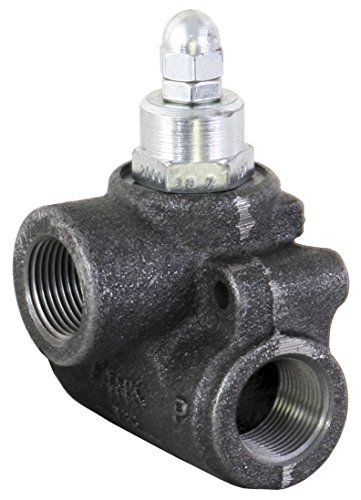
Key features include a 3/4 inch NPT inline design for targeted function relief, up to 20 GPM flow, and a heavy-duty cast iron body rated to 3000 PSI. Best for: truck hydraulic systems needing reliable protective relief at high flow in a compact inline footprint. Reason for selection: strong construction and clear flow capability align with demanding vehicle hydraulics. Caution: ensure the valve’s porting and mounting orientation fit your specific system layout to avoid clearance issues.
Buyers HRV07516 In-Line Hydraulic Relief Valve
Feature highlights include a 3/4 inch port and 30 GPM flow with an adjustable range from 1501 to 3000 PSI, designed for truck and trailer systems. Best for: high-flow trailers and heavy equipment where precise protection across multiple circuits is required. Reason for selection: wide adjustable range supports diverse hydraulic functions. Caution: cast iron body, so avoid environments with aggressive corrosion without protective coatings.
Buyers HRV10018 In-Line Hydraulic Relief Valve

Designed for 1 inch NPTF three-port configurations, this valve provides precise pressure control up to 3000 PSI with a 30 GPM capacity. Best for: truck and trailer systems that require targeted relief to individual functions while maintaining overall system safety. Reason for selection: three-port versatility supports multiple relief paths. Caution: ensure the port arrangement matches your hydraulic circuit to avoid cross-connects.
Wovnet Adjustable Aluminum Pressure Relief Valve

Features an adjustable relief setting, 20 GPM, 3000 PSI, and a #8 SAE (3/4-16 ORB) connection. Best for: systems requiring adjustable relief with lighter-weight aluminum construction. Reason for selection: aluminum body reduces overall weight while maintaining high pressure tolerance. Caution: verify long-term chemical compatibility with hydraulic oils and fluids used in your setup.
Summit Hydraulics Adjustable Relief Valve

Inline ball spring relief with a hardened seat, 1/2” NPT port, and up to 16 GPM, designed for compact installations. Best for: smaller hydraulic circuits or confined spaces where space-saving relief is essential. Reason for selection: compact footprint while delivering reliable relief at moderate pressures. Caution: lower maximum flow means not ideal for high-demand lines.
Getanye Hydraulic Adjustable Valve With Relief

Valve features include 30 GPM flow, 500–3000 PSI relief range, and a 1/2″ NPT connection with an adjustable relief port. Best for: installations needing adjustable relief across a broad pressure window. Reason for selection: versatility in a single valve helps cover multiple hydraulic scenarios. Caution: check compatibility with pump outlet pressure to avoid oversetting relief.
Buying Guide: Key Considerations For Choosing A Low Pressure Hydraulic Relief Valve
- Flow capacity: Match the valve’s GPM rating to your system’s demand to prevent pressure spikes without starving downstream components.
- Port size and connections: Ensure NPT or ORB connections align with your hoses, adapters, and mounting hardware.
- Pressure range: Choose a valve with an adjustable range that covers your system’s nominal operating pressure plus an appropriate safety margin.
- Valve material: Cast iron offers rigidity and durability for heavy-duty use; aluminum saves weight but may suit lighter systems; brass offers corrosion resistance in certain environments.
- Number of ports: Inline valves are simpler for single-path relief; three-port configurations can provide targeted control for multiple actuators.
- Installation space: Consider whether a compact inline unit or a larger three-port valve fits your chassis or equipment bay.
- Maintenance considerations: Look for durable seats and seals that resist wear in frequent relief cycles.
Practical selection tips: For heavy truck or trailer hydraulics with high flow, prioritize higher GPM ratings and robust materials. If modularity is important, prefer adjustable relief valves with a wide PSI range. For compact builds, inline 1/2” or 1/4” NPT options can save space without sacrificing protection.
Frequently Asked Questions
- What does a hydraulic relief valve do? It protects seals, hoses, and components by releasing excess pressure when a preset threshold is reached.
- How do I choose the right pressure setting? Select a setting above your normal operating pressure but below the component’s maximum rating.
- Can I use an adjustable relief valve for multiple functions? Yes, three-port designs can guard multiple circuit paths while maintaining simple adjustments.
- What is the difference between NPT and ORB connections? NPT is a tapered pipe thread; ORB (O-Ring Boss) is a slightly different thread standard designed for leak resistance and ease of sealing with O-rings.
- Is material important for hydraulic relief valves? Yes. Cast iron supports durability in harsh environments; aluminum offers weight savings; brass provides corrosion resistance in some fluids.
- Do these valves require special installation tools? Basic wrenches for port fittings and thread sealant or Teflon tape are typically sufficient; refer to manufacturer guidelines for torque specs.
Add a Comment