Whether you’re replacing aged hydraulic oil or upgrading to a synthetic blend, selecting the right ISO VG grade is essential for reliability and efficiency. This guide focuses on ISO VG 100 hydraulic oil equivalents and closely related options suitable for industrial systems, pumps, and valves. The top picks below are best for maintenance engineers, plant managers, and equipment technicians seeking stable viscosity, oxidation resistance, and clean-running hydraulics. A quick summary table is provided to compare the key choices at a glance.
| Product | Best For | Notes |
|---|---|---|
| Hydraulic Oil 100 | ISO VG 100 | New installations and long-life systems | High stability, good for high-temperature operation |
| Food Grade Hydraulic Oil 100 | ISO VG 100 | Food processing or washdown environments | NSF H-1 registered, Kosher/Halal |
| UltraSource Pump Oil VM100 | Vacuum pumps and general machinery | Mineral-based, ISO VG 100 |
| TRIAX Powerflow AW 32 | Smaller systems with lower viscosity needs | AW 32 grade, anti-wear properties |
| TRIAX Powerflow AW 46 | All-season, higher-load hydraulic circuits | Long-life, low foaming |
Food Grade Hydraulic Oil | ISO VG 68

Brand: elba. Features: Resistance to oxidative breakdown even at high temperatures; Keeps systems free of sludge and varnish; Ensures smooth and reliable operation of hydraulic valves and actuators. Best for: general purpose hydraulic systems requiring clean operation and robust oxidation resistance at moderate temperatures. Limitation: Not ISO VG 100; best suited where VG 68 is specified or acceptable as an equivalent substitute.
Food Grade Hydraulic Oil 100 | ISO VG 100

Brand: elba. Features: Food Grade Hydraulic Oil with resistance to oxidative breakdown even at high temperatures; Keeps systems free of sludge and varnish; Ensures smooth and reliable operation of hydraulic valves and actuators. Best for: food-processing environments needing NSF H-1 registration and Kosher/Halal approvals. Caution: While ISO VG 100, verify system compatibility if previously used a different viscosity grade.
UltraSource Pump Oil VM100 | ISO VG 100

Brand: ULTRASOURCE. Features: Proven mineral-based oil for standard industrial applications; Temperature tolerance up to 80 °C; Reliable wear protection and sealing integrity. Best for: pump lubrication in vacuum systems or equipment requiring dependable mineral oil performance at moderate temperatures. Caution: Data indicates mineral base; consider synthetic blends if higher oxidative resistance is needed.
TRIAX Powerflow AW 46 Multi-Viscosity HLP Hydraulic Oil
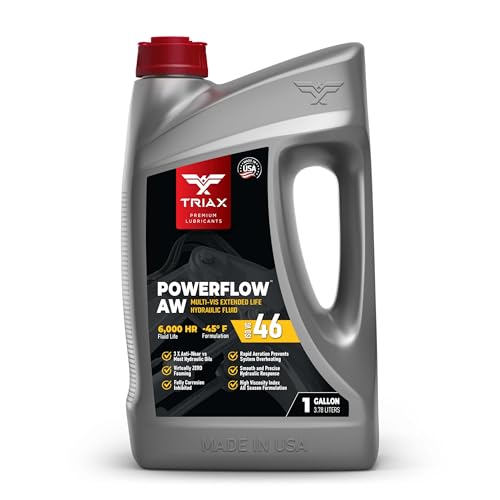
Brand: Triax. Features: Very long life with up to 6,000 hours service; Anti-wear booster pack; High viscosity index for durable performance; Low foaming and excellent air release. Best for: severe service environments where extended drain intervals are desired and loads are high. Caution: Higher viscosity can affect cold-start performance in low-temperature operations.
TRIAX Powerflow AW 32 Multi-Viscosity HLP

Brand: Triax. Features: Long life with high oxidation resistance; Anti-wear booster pack; Maintains seal integrity and resists cavitation. Best for: smaller or lighter-duty systems requiring AW protection with a lower viscosity grade. Caution: May not suffice for high-load, high-temperature applications that demand VG 46 or higher.
Buying Guide
What should you look for in ISO VG 100 hydraulic oil equivalents?
Viscosity grade (ISO VG 100) affects film strength and pump efficiency. Look for stable viscosity across temperature, oxidation resistance, and anti-wear properties. For food environments, NSF H-1 registration and approvals are important. For all-season use, a multi-viscosity formulation can help adapt to varying temperatures.
Will mineral-based or synthetic blends work best?
Synthetic blends offer better oxidation resistance and longer life in high-temperature service. Mineral-based oils are often cost-effective for standard operations and lower-temperature conditions. Choose based on system design, expected duty cycle, and maintenance plans.
How important are anti-foaming and air release characteristics?
Low foaming and good air release prevent cavitation and erratic valve operation. For high-speed hydraulic systems, prioritize anti-foaming performance to maintain smooth operations and reduce wear.
Do I need food-grade or regulatory-compliant oils?
If the hydraulic fluid contacts food-contact surfaces or processing equipment, select NSF H-1 registered products. Kosher or Halal approvals may also be relevant for specific facilities or customer requirements.
How to compare life expectancy and drain intervals?
Look at oxidation resistance, viscosity stability, and the presence of anti-wear packages. Oils advertised with longer service life or “extended life” claims typically support longer drain intervals, but confirm with equipment specifications and maintenance schedules.
FAQ
- What is ISO VG 100? It indicates a viscosity grade of 100 at 40°C, affecting film strength and pump performance.
- Is a VG 100 oil suitable for all hydraulic systems? Not necessarily; confirm your equipment’s viscosity requirement and temperature range.
- Are food-grade hydraulic oils compatible with standard steel components? Generally yes, but ensure regulatory compliance for food-contact surfaces and check compatibility with seals and hoses.
- What is the advantage of a multi-viscosity AW oil? It maintains more consistent viscosity across temperatures, reducing performance fluctuations in varying climates.
- Should I choose a mineral-based or synthetic-blend hydraulic oil? For higher temperature and longer life, synthetic-blend is advantageous; for cost-sensitive operations, mineral-based may be suitable.
- How do I know if an oil is a good substitute for VG 100? Compare viscosity at operating temperature, oxidation stability, anti-wear performance, and compatibility with system seals.
Add a Comment