This guide highlights top ion exchange water treatment systems to reduce hardness minerals across your home. It targets households seeking reliable, low-maintenance softening with clear benefits for plumbing, appliances, and everyday comfort. Best for families with multiple bathrooms, or RV users needing portable solutions, these picks cover whole-house and portable options with proven resin-based ion exchange technology.
| Product | Capacity (Grains) | Type | |
|---|---|---|---|
| DURAWATER Fleck 5600 SXT | 48,000 | Whole-House Softener | Mid-sized homes; readiness with pre-loaded resin in tank |
| VEVOR RV Water Softener (16,000) | 16,000 | Portable RV Softener | RVs, boats, trailers; short-term or mobile use |
| Aquasana SimplySoft 40,000 | 40,000 | Whole-House Softener | Smaller to mid-sized homes; base tank system |
| VEVOR RV with Filter (16,000) | 16,000 | Portable RV Softener with Filter | RVs and off-grid setups; built-in filtration |
| Aquasana SimplySoft 60,000 | 60,000 | Whole-House Softener | Larger homes; higher-capacity option |
Note: All products use ion exchange resin to replace calcium and magnesium with sodium ions, softening water across the home or on the go. Each selection targets different home sizes, mobility needs, and installation preferences.
DURAWATER Fleck 5600 SXT Whole House Softener
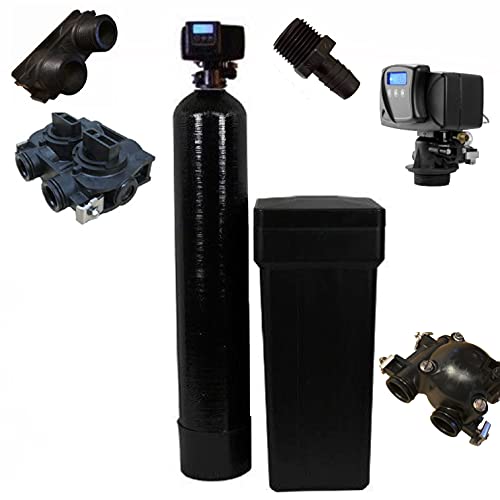
The DURAWATER system uses a Fleck 5600 SXT on-demand digital metered control and comes pre-loaded with 1.5 cubic feet of high-capacity resin in the tank. The unit ships with a USA-based brine tank and safety float, facilitating straightforward installation for mid-sized homes. Best for households seeking a ready-to-install, full-home softener that reduces mineral buildup across taps, showers, and appliances. A potential limitation is reliance on the included resin in the tank; verify resin status if upgrading separately.
VEVOR RV Water Softener, 16,000 Grain

This portable RV softener is designed for mobile use and features food-grade resin for ion exchange, offering up to 1,500 gallons (approximately) of softened water for long trips. It’s ideal for RV owners who want clean water on the go, with a compact footprint and quick-connect fittings. A trade-off may be its smaller capacity relative to whole-house systems, making it less suitable for full-home use or households with high daily water demand.
Aquasana SimplySoft 40,000 Grain

Aquasana SimplySoft 40,000 Grain is a base-tank and cabinet system designed for homes up to about four bathrooms. It’s IAPMO-certified to NSF/ANSI Standard 44 and aims to reduce mineral buildup, keep appliances running efficiently, and deliver softer water at every tap. The system is well-suited for smaller households seeking a solid, code-compliant installation with reliable performance. A limitation is that it may require more space under the sink or in the utility area due to the base cabinet design.
VEVOR RV Water Softener with Filter

This portable RV unit combines an ion-exchange resin system with an integrated pre-filter to remove sand, rust, sediment, and odors before softening. It uses food-grade resin for a longer lifespan and higher softening efficiency with no unwanted buildup. Best for campers and mobile setups needing clean water prior to softening. A caution is its 16,000-grain capacity; heavy-use situations may require more frequent regeneration.
Aquasana SimplySoft 60,000 Grain

The 60,000-grain Aquasana SimplySoft offers higher capacity for larger homes or households with intensive water use. It provides solid performance across taps and appliances, with the same base-tank and cabinet approach and IAPMO certification. Choose this option if you anticipate sustained demand for softened water across multiple bathrooms. A potential drawback is its larger footprint compared to smaller units, requiring adequate space for installation.
Buying Guide: Key Considerations for Ion Exchange Water Systems
What size home do you need to soften efficiently? Capacity matters more for households with multiple bathrooms or high daily water usage. Typical guidance: 40,000–60,000 grains for standard homes; 16,000–40,000 for smaller spaces or RV use. Consider whether you need a full-home system or a portable option for travel or seasonal use.
What installation and maintenance are required? Whole-house systems often sit near the main water line and require proper brine tank setup. Portable RV units prioritize compact design, quick connections, and lightweight resin replacements. Look for units with pre-loaded resin if you want a simpler install.
What certifications or standards matter? IAPMO and NSF/ANSI certifications help ensure material safety and performance. If skin contact or drinking water quality is a concern, verify resin quality and regulatory compliance for your region.
How does regeneration work? Systems with digital metered controls optimize salt and water usage by regenerating based on water usage and hardness. This improves efficiency and reduces waste. If you want precise control, choose models with programmable or digital control heads.
What about water hardness and downstream effects? Hard water can cause mineral buildup in pipes, water heaters, and appliances. Ion exchange softeners reduce limescale, improve soap efficiency, and help laundry and skin feel softer. For very iron-rich water, a pre-filter or resin with iron removal capability may be beneficial.
Frequently Asked Questions
- What is ion exchange in water softeners?
– It replaces calcium and magnesium ions with sodium ions on resin beads, softening water at the point of entry to the home or vehicle. - Do all homes need a whole-house system?
– Not always; smaller households or RV users may opt for portable or smaller-capacity systems to meet their needs. - Will softened water taste salty?
– Typically minimal; salt use is limited to the brine regeneration process. Some systems offer non-salt options or metered regenerations to minimize taste impact. - Is a pre-filter necessary?
– A pre-filter helps protect resin and extend system life in areas with high sediment or iron content. It is common in combination setups. - How often should I replace resin?
– Resin longevity depends on water quality and use. Many resin beds last several years with proper maintenance, but some portable units may require more frequent replacements due to capacity and usage patterns. - Can these systems remove iron?
– Some systems reduce hardness and also lower iron levels with specialized resin or additional filtration stages. Check product specifics for iron reduction capabilities.
Add a Comment