The top choice for commercial spaces is a heavy-duty upright that delivers consistent suction, easy maintenance, and durable construction. This guide highlights five industrial upright vacuums that are best suited for high-traffic offices, hospitality, healthcare facilities, and large retail environments. Each option is chosen for strong cleaning performance, simple reporting of features, and practical use in everyday cleaning routines. Read on to see who each model is best for and why.
Summary of selected products:
| Product | Best For | Key Benefit |
|---|---|---|
| Oreck Commercial XL Vacuum Cleaner | Lightweight, stairs and multi-room cleaning | Powerful suction with automatic height adjust |
| BISSELL Commercial BGU1937T Pro Cup | High-traffic settings, bagless convenience | Large-capacity, on-board tools |
| Sanitaire SC679K Tradition Upright | Durable, bagged commercial use | Long motor life, large-capacity bag |
| BISSELL BigGreen Commercial PowerForce BGU1451T | Heavy-duty cleaning on multiple floors | Lightweight with wide cleaning path |
| Sanitaire SL4410A | Budget-conscious, reliable commercial tasks | Removable dirt cup reduces bag costs |
Oreck Commercial XL Vacuum Cleaner

Best for: cleaning small- to medium-sized commercial areas where light weight and ease of use matter. This model weighs about 9 pounds, making it easy to carry between rooms and up stairs. It features high-speed brush roll agitation and side edge brushes to pull debris from corners. The automatic height adjustment helps adapt to carpets and hard floors without manual changes.
Why selected: Its combination of portability and steady suction suits facilities that require frequent, quick cleanups. The bagged design minimizes dust exposure during emptying, which can be beneficial in sensitive environments.
Caution: As a bagged system, ongoing bag replacement costs and availability should be considered for long-term budgeting.
Bissell Commercial BGU1937T Pro Cup Bag (Bagless) Upright

Best for: high-traffic spaces where washing or replacing bags is inconvenient. It uses a Pro Cup bagless dirt container, reducing ongoing consumable costs. It offers a comprehensive tool kit for versatile cleaning on carpets, hard floors, and upholstery.
Why selected: A robust option for offices and facilities that prefer bagless operation and straightforward maintenance. On-board tools keep attachments accessible during cleaning tasks.
Caution: Bagless models require periodic filter cleaning to maintain suction; ensure user routines include filter checks.
Sanitaire SC679K Tradition Upright Commercial Bagged Vacuum
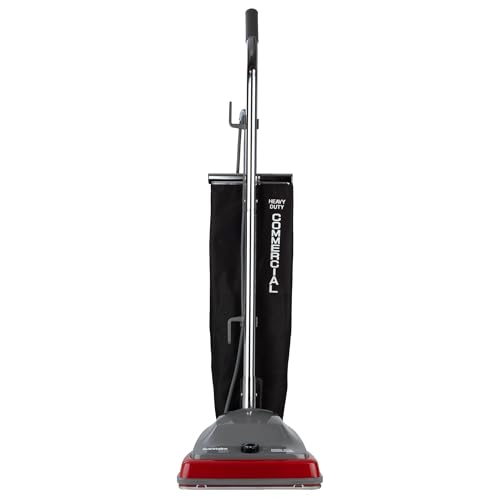
Best for: facilities requiring durable construction with long motor life and large-capacity bags for reduced interruptions. It is built for tough environments and heavy usage.
Why selected: The SC679K emphasizes commercial-grade endurance and a substantial 18-quart bag capacity, supporting longer intervals between bag changes and more productive cleaning sessions.
Caution: Larger bags mean more dust release risk if not handled carefully during disposal; proper technique is advised when emptying.
BISSELL BigGreen Commercial PowerForce BGU1451T

Best for: professional environments needing a lightweight yet powerful machine with a wide cleaning path for faster coverage. The 10 Amp motor delivers strong suction across carpet and hard floors.
Why selected: Its combination of a 13-inch cleaning path and five height settings supports versatile floor types, enabling efficient detailing in offices and retail spaces.
Caution: While light for its power, it remains a larger tool that may require storage space in smaller cleaning closets.
Sanitaire SL4410A Upright Commercial Bagless Vacuum
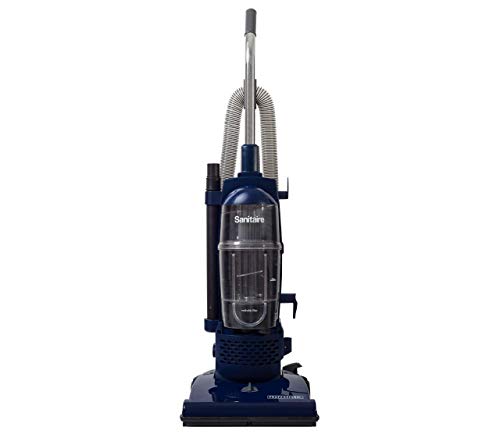
Best for: businesses seeking a cost-conscious option with practical features for routine cleaning tasks. The unit uses a removable dirt cup to reduce bag costs.
Why selected: It offers essential commercial upright performance with straightforward maintenance, suitable for budget-minded facilities that still require reliable cleaning results.
Caution: A bagless design means users must manage dust and debris more directly during disposal; ensure appropriate handling practices are followed.
Buying Guide
What to consider when selecting an industrial upright vacuum:
- Environment size and traffic: Large, busy areas benefit from higher suction, wider cleaning paths, and robust filtration.
- Maintenance and consumables: Bagged models reduce dust exposure but require bag purchases; bagless units save on bags but need filter care.
- Weight and maneuverability: Lighter vacuums are easier to carry between rooms and on stairs but may compromise power; balance weight with motor strength.
- Filtration: HEPA or high-grade filters help with dust and allergens, important in healthcare or offices with sensitive occupants.
- Attachments and versatility: On-board crevice tools, upholstery tools, and extension wands improve cleaning variety across surfaces.
- Durability and service life: Look for commercial-grade components and a design that tolerates frequent use in busy facilities.
Frequently Asked Questions
- What type of vacuum is best for commercial spaces?
- Bagged vs. bagless: which is better for businesses?
- How important is filtration in commercial vacuums?
- Should I prioritize weight over power?
- Are attachments essential for commercial cleaning?
- What maintenance tasks are common across these machines?
Upright vacuums with commercial-grade construction, high suction, and durable filters are typically best for offices, hotels, and retail spaces.
Bagged vacuums reduce dust exposure during disposal, while bagless models save ongoing bag costs but require more frequent filter maintenance.
Filtration is important for improving indoor air quality, especially in environments with occupants sensitive to dust and allergens.
Striking a balance matters: a lighter model aids mobility, but ensure it still delivers sufficient suction for your floor types.
Yes. A comprehensive tool kit—including crevice and upholstery tools—helps with detailed cleaning of edges, furniture, and stairways.
Regular emptying of dirt cups or bags, filter cleaning, brush roll checks, and hose or tool inspections support consistent performance.
Add a Comment