Finding durable, easy‑to‑clean floor mats is essential for commercial kitchens, restaurants, and workshop spaces. This guide highlights five top picks designed for heavy traffic, oily spills, and long shifts. Each product targets different needs—from superior drainage to extra cushioning—so you can choose the best fit for your environment and staff.
Buyer snapshot: The following table summarizes the five highlighted mats, their primary strengths, and ideal use cases.
| Product | Brand | Best For | Key Benefit |
|---|---|---|---|
| Ottomanson Heavy Duty Rubber Floor Mat | Ottomanson | Busy commercial kitchens and restaurants | Perforated design for drainage; indoor/outdoor durability |
| Rubber Floor Door Mats Outdoor Entrance (SallyMall) | Wizgree | High-traffic entrances and wet areas | Anti-fatigue with drainage holes; easy hose cleaning |
| New Star Foodservice Commercial Grade Mat | New Star Foodservice | Kitchens and food service spaces | Drainage holes; anti-fatigue comfort |
| NANBOWANG Anti-Fatigue Rubber Floor Mat | nanbowang | Industrial and outdoor wet areas | Heavy‑duty rubber; waterproof and dirt-trapping |
| ROVSUN Rubber Floor Mat With Holes | ROVSUN | Restaurants, bars, and garages | Large perforations for fast drainage; easy cleaning |
Ottomanson Heavy Duty Rubber Floor Mat

Best for: high-traffic commercial kitchens and industrial workplaces that need reliable drainage. Perforated design supports rapid liquid drainage, helping reduce fatigue during long shifts. Indoor/outdoor rubber construction resists weather, spills, and messes, making it suitable for entryways, kitchens, patios, or utility rooms. The mat is described as waterproof and hose-cleanable for quick maintenance. Caution: perforated surfaces can show wear in extremely abrasive environments; rotate mats to extend life.
Rubber Floor Door Mats Outdoor Entrance (SallyMall)

Best for: outdoor entrances and high‑traffic areas in restaurants or garages. Made from high‑grade eco-friendly rubber, it traps dirt and resists oils. Its drainage holes reduce slippery liquids, and the surface is designed to stay in place in busy settings. Caution: some users note that extreme exposure to harsh weather can affect color over time; routine cleaning helps maintain grip.
HappyTrends Kitchen Mat Cushioned Anti-Fatigue
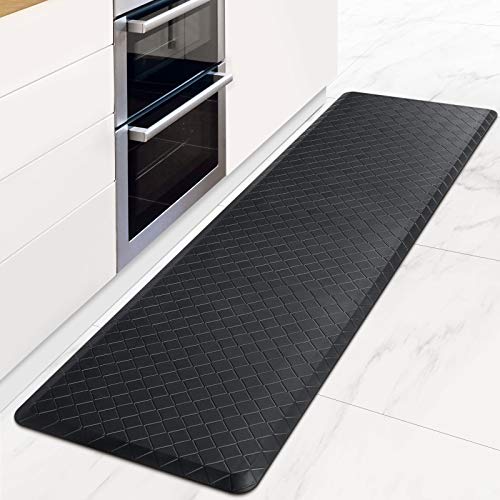
Best for: kitchens and workstations where staff spend long periods standing. Extra-thick PVC cushions improve circulation and posture while maintaining a stable footing. The grid pattern surface aids in lifting debris, and a beveled edge reduces tripping. Caution: while easy to clean, prolonged immersion is not recommended; wipe clean to preserve texture and anti-slip properties.
Yoshiko Rubber Floor Door Mat Anti-Fatigue

Best for: heavy-traffic commercial spaces needing a durable, anti-fatigue surface. The perforated design traps dirt and grease while drainage reduces slip risk. It’s designed for reuse in high-traffic areas like kitchens and entryways. Caution: data indicates variability in thickness; verify product dimensions if precise height matters for door clearance.
New Star Foodservice Commercial Grade Mat

Best for: food service environments requiring reliable moisture drainage and long wear. Its drainage holes help keep work areas dry and improve cleanliness, while anti‑fatigue properties support workers during extended shifts. Choose this if you need a proven mat for kitchens or bars. Limitation: should be inspected for wear in extremely oily environments, as heavy buildup can affect drainage efficiency over time.
Buying Guide: Key Considerations For Industrial Kitchen Mats
What drainage design matters most?
Perforated or dimpled surfaces accelerate liquid removal, reducing slip hazards. In wet kitchens, drainage efficiency keeps floors drier and simplifies cleaning routines.
How thick should the mat be?
Thicker mats offer better cushioning and fatigue relief but can be harder to clean and may show wear in very dusty environments. A balance between comfort and durability is essential for long shifts.
Is indoor/outdoor suitability important?
Some mats are designed for indoor use only, while others tolerate outdoor conditions and daily hose-downs. For entryways or loading docks, outdoor-ready mats extend life and simplify maintenance.
What maintenance pattern works best?
Materials like rubber are typically hose-cleanable and quick to dry. Be mindful of edge designs (beveled edges reduce tripping) and select mats with non-slip backing for high-traffic areas.
What user environment should guide selection?
Consider staff foot traffic, presence of oils, water, or acids, and whether anti-fatigue support is a priority. For long standing periods, cushioned mats with good rebound provide the most relief.
Durability and cleaning practicality
Look for durable rubber or PVC with a cleanable surface. Drainage capability, dirt-trapping perforations, and resistance to oils enhance longevity and reduce cleaning time.
Maintenance tips at a glance
- Rinse mats with a hose after shifts to remove residues.
- Air dry completely before placement back in high-traffic zones.
- Inspect for cracks or worn edges and replace promptly to maintain safety.
FAQ
- Q: Which mat is best for a high-oil kitchen?
- A: Mats with drainage holes and oil resistance, such as perforated rubber mats, are ideal to keep surfaces dry and reduce slip risk.
- Q: Do thicker mats affect wheelchairs or carts?
- A: Yes, extremely thick mats can impact clearance; ensure the chosen mat fits under doors and around equipment.
- Q: Can these mats be used outdoors year-round?
- A: Some mats are designed for indoor/outdoor use; verify product specs for weather resistance before placement in exposed areas.
- Q: How do I clean heavy-duty rubber mats?
- A: Most can be hose-cleaned; avoid harsh chemicals that may degrade rubber over time and allow thorough air drying.
- Q: What’s the best way to prevent curling on beveled-edge mats?
- A: Ensure correct installation with flat, clean subfloors and avoid placing mats where temperature changes cause edge lifting.
Add a Comment