When efficiency and precision matter in fabric production, a dependable industrial fabric cutter is essential. This guide highlights five top-rated options that deliver strong cutting power, reliable blade performance, and practical features for multi-layer textiles, leather, and heavy fabrics. Each model combines speed, durability, and safety to support batch cutting in workshops, garment production, and upholstery projects. Read on to compare capabilities, materials, and technologies so you can choose the right cutter for your operation.
Summary of chosen products:
- VEVOR Fabric Cutter, 750W High-Speed Straight Knife Cloth Cutting Machine
- BEAMNOVA Fabric Cutter Electric Cloth Cutting Machine Roller
- CGOLDENWALL Large Electric Rotary Fabric Cutter
- VEVOR Fabric Cutter, 5-Speed Cordless Electric Rotary Fabric Cutter
- CGOLDENWALL YJ-125A Electric Rotary Fabric Cutter
VEVOR Fabric Cutter, 750W High-Speed Model

The 750W motor provides robust cutting power for multiple fabric layers, with a cutting speed around 2950 rpm. The 9.8″ alloy steel blade supports straight and curved cuts, and the system includes an automatic knife-sharpening mechanism to maintain blade performance during continuous use. This setup helps reduce jams and speeds up batch cutting, making it suitable for textile workshops and small-scale production environments. The blade is designed for durability and corrosion resistance, contributing to a long service life in demanding conditions.
Key features include: a high-torque 750W motor, a large 9.8″ blade, wear-resistant alloy steel construction, automatic sharpening, and compatibility with thick multi-layer fabrics. The machine is optimized for fast, clean cuts with minimal downtime, supporting efficient workflow in busy sewing rooms and small factories.
BEAMNOVA Fabric Cutter Electric Cloth Cutting Machine

BEAMNOVA offers a compact yet capable cutter with a 250W motor and a 4-inch rotary blade. It handles fabrics up to approximately 1.1 inches thick and is designed for multi-layer cutting with smooth, clean results. The internal sharpening mechanism maintains blade sharpness without manual removal, and a replacement blade is included for convenience. The tool emphasizes ease of use, making it suitable for hobbyists, small workshops, or craft studios that require efficient performance without heavy machinery.
Highlights include effortless cutting across multiple fabric layers, automatic sharpening, and an accessible design that balances power with portability. The internal sharpening system reduces maintenance time, while the extra blade allows quick swaps when needed, supporting continuous operations in textile classrooms or small-scale production lines.
CGOLDENWALL Large Electric Rotary Fabric Cutter

This industrial-grade rotary cutter features a 100mm (4-inch) octagonal blade and a high 2400 RPM cutting speed, enabling clean, fast cuts through multi-layer fabrics and textiles. It supports cutting thickness up to about 1.06 inches (27 mm) and is suitable for commercial uses like shoes, hats, and upholstery projects. The device is designed for heavy-duty performance with straightforward maintenance, including an integrated sharpening mechanism and guidance on blade cleanliness to avoid jams from fabric scraps.
Strengths include rapid, mess-free cutting, multi-layer capability, and suitability for large-scale projects. While effective for leather and carpets, users should be mindful of material types and thickness limits to optimize results. Regular blade maintenance with the built-in sharpening feature helps maintain performance for daily production tasks.
VEVOR Fabric Cutter, 5-Speed Cordless Electric Rotary Cutter

This cordless model relies on a built-in 2500mAh battery and offers five adjustable speeds (600/800/1000/1200/1400 RPM). The octagonal blade, about 100 mm in diameter, can cut fabrics up to 1.1 inches thick, with a lower blade tip designed to prevent snagging. A lubrication system and automatic sharpening help maintain continuous performance, and a replacement blade is included. The cordless design supports mobility in larger workrooms and trims where outlets are not readily accessible.
Considerations include battery life for longer sessions, the balance between speed and torque for thicker materials, and the availability of replacement blades. The automatic sharpening and lubrication features target consistent results across extended cutting tasks, making it a solid choice for studios and small factories focused on efficiency and flexibility.
Fbshicung Electric Rotary Fabric Cutter
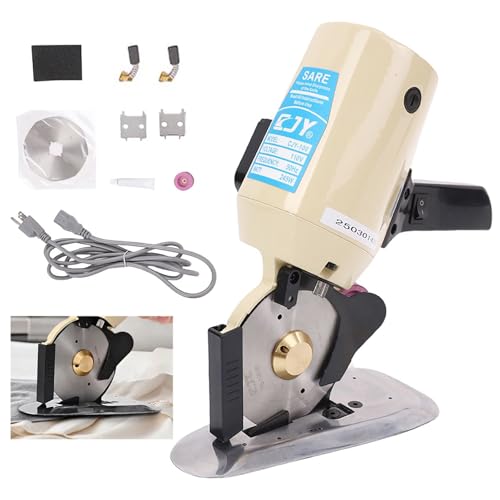
This handheld rotary cutter uses a 4-inch octagonal blade and is designed to cut multi-layer fabrics up to about 27 mm thick. The tool supports straight and curved cuts and includes a blade sharpening stone to maintain edge sharpness without disassembly. It is positioned for versatility in sewing rooms and garment workshops, offering quick, precise results across various textiles and light leather goods.
Benefits include a straightforward sharpening process, adaptability for curved patterns, and compatibility with multiple fabrics. The device is well-suited for makers who need nimble, responsive cutting with regular blade maintenance that can extend the blade’s usable life in busy production days.
SENCAN Cordless Rotary Fabric Cutter
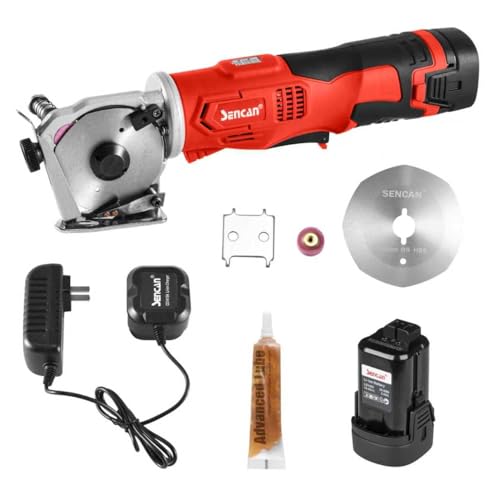
This cordless cutter features a 14.4V battery and a 70 mm (2.76 inch) octagonal blade, delivering cutting thickness up to 1 inch (25 mm). The device includes two blades and emphasizes high-speed cutting with a 880 rpm rotation. Suitable for leather, carpet, and multi-layer textiles, it emphasizes ease of use, portability, and rapid changes between tasks. The cordless format supports flexible movement through larger workspaces or layouts where power outlets are limited.
Considerations include battery runtime, blade availability, and the balance between portability and power for heavier materials. The kit’s two blades offer redundancy, while the cordless design reduces tethering in busy work areas, making it suitable for on-site adjustments and workshops that require quick, clean cuts.
Buying Guide: Key Purchase Considerations
- Material compatibility: Determine which fabrics you cut most (e.g., multi-layer textiles, leather, carpet) and select a cutter with an adequate cutting thickness and blade design for those materials.
- Blade design and maintenance: Look for octagonal or alloy steel blades with automatic sharpening or easy-access sharpening tools. Built-in lubrication systems can reduce downtime and prolong blade life.
- Power source and mobility: Choose between corded models for continuous power and cordless models for flexibility. Consider battery life, charge time, and replacement blade availability for cordless units.
- Cutting capacity and speed: Consider RPM and blade diameter to match your average material thickness and required throughput. Higher speeds support faster production but may heat blades; balance with material type.
- Safety features: Ensure included safety locks, blade guards, and user-friendly controls. Ergonomic handles and stable bases help reduce fatigue during long cutting sessions.
- Maintenance and support: Assess ease of blade changes, cleaning routines, and availability of replacement parts. A visible warranty and responsive customer support add long-term value.
- Cost of ownership: Factor in initial price, replacement blades, lubricants, and potential downtime. A model with automatic sharpening often reduces maintenance labor and improves uptime.
- Use-case fit: For industrial environments, prioritize models with multi-layer cutting capability, high torque, and robust build quality. For hobbyists or smaller shops, portability and ease of use may be more important.
Overview: When selecting an industrial fabric cutter, prioritize models that balance cutting depth, blade durability, and maintenance practicality. Cordless options provide mobility for spacious workshops, while corded designs support sustained cutting sessions. Automatic sharpening can significantly reduce downtime, particularly in production settings. Ensure blade shapes and speeds align with your common fabrics and pattern requirements to optimize accuracy and yield.
Add a Comment