For industries requiring robust connectivity, selecting a dependable industrial 4G LTE router is essential. This guide highlights five top options, detailing rugged design, multi-WAN capabilities, VPN support, and ease of deployment in harsh environments. Use the overview below to compare core specs at a glance, then dive into in-depth product insights to determine the best fit for your application.
| Product | Brand | Key Strengths |
|---|---|---|
| InHand IR302 Industrial IoT 4G LTE VPN Router | inhandgo | Rugged metal casing, dual SIM, VPN, DIN-rail/Panel mounting |
| Yeacomm YF325 Industrial 4G LTE Router | Yeacomm | Dual SIM, VPN, wide band support, DIN-rail ready |
| Cudy LT700 4G LTE Cat 6 Router | Cudy | Cat 6 speeds, dual SIM, WAN failover, open VPN/WireGuard |
| GL.iNet GL-XE300 (Puli) Industrial Gateway | GL.iNet | OpenWrt, VPN ready, battery option, IPv6 |
| Bolton Technical | Auto WAN failover, dual SIM, GNSS, RutOS |
InHand IR302 Industrial IoT 4G LTE VPN Router

The InHand IR302 combines 4G LTE connectivity with VPN functionality in a rugged industrial enclosure. It supports LTE CAT4 bands (B2/ B4/ B5/ B12/ B13/ B14/ B66/ B71) and a WCDMA option (B2/ B4/ B5), enabling compatibility with major networks. Dual SIM slots provide failover capability, and multiple WAN options include PPP, PPPoE, and DHCP, with Ethernet WAN/LAN switching and Wi‑Fi support. The device is designed for harsh environments, featuring a rugged metal chassis, DIN-rail or panel mounting, and operating temperatures from -4°F to 158°F (-20°C to 70°C).
Key features: dual SIM, VPN-ready, open WAN options, 4G LTE with Wi‑Fi, IP40+ rugged design, wide temperature range, supports cloud management for remote monitoring and configuration.
Yeacomm YF325 Industrial 4G LTE Router

The Yeacomm YF325 is built for industrial environments with dual SIM slots, VPN support, and multiple WAN options including static IP, DHCP, PPPoE, and 3G/4G/LTE. It features an IP30-rated aluminum casing designed for harsh conditions and supports DIN-rail mounting. It also includes RS232/RS485 interfaces, multiple power input ranges (DC 5V–36V), and broad LTE band support (B1/2/3/4/5/7/8/28 and B40). Note: Verizon and Sprint compatibility varies by model region.
Key features: dual SIM, VPN support, rugged housing, DIN-rail mounting, multiple WAN methods, RS232/RS485, broad LTE bands for North/South America and beyond.
Cudy LT700 4G LTE Cat 6 Router

The Cudy LT700 delivers Cat 6 performance with up to 300 Mbps download and 50 Mbps upload potential, driven by a Qualcomm-based design. It supports dual SIM and WAN failover, with a built-in 2.4 GHz and 5 GHz Wi‑Fi network (up to 867 Mbps) and four external 5 dBi antennas for better reception. The router supports OpenVPN and WireGuard, plus features like DDNS and VPN pass-through. Its detachable antenna design offers flexible installation for indoor and outdoor use, including external antennas via SMA connectors.
Key features: Cat 6 speeds, dual SIM with WAN failover, 2.4/5 GHz Wi‑Fi, high-gain antennas, OpenVPN/WireGuard, DDNS, flexible antenna options.
GL.iNet GL-XE300 (Puli) 4G LTE Industrial Gateway

The GL-XE300 is a versatile 4G LTE gateway featuring OpenWrt, OpenVPN, WireGuard, and IPv6. It supports a nano-SIM for 4G to Wi‑Fi conversion, with up to 300 Mbps on 2.4 GHz Wi-Fi. This device emphasizes programmability and expandability, suitable for DIY projects and industrial deployments alike. It includes dual Ethernet ports, USB 2.0, and reserved SMA mount points for antennas. It also supports remote management through OpenWrt and secure VPN options, making it a flexible option for complex networks.
Key features: OpenWrt pre-installed, VPN compatibility, 4G to Wi‑Fi conversion, IPv6, open ecosystem for customization, remote management capabilities.
Cudy New 4G LTE Cat 6 Router (LT700) Variant
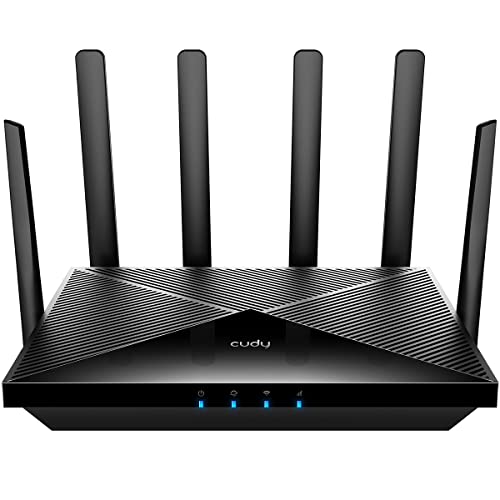
This Cudy model supports 4G LTE Cat 6, dual SIM, and WAN failover to ensure continuous connectivity. It provides robust 4G/3G/2G fallback and APN flexibility, with WAN/LAN port configuration. The device emphasizes flexible deployment for home, office, or remote site use, with reliable VPN support (OpenVPN/WireGuard) and a strong emphasis on signal stability through multiple antennas and external antenna options.
Key features: Cat 6 capabilities, dual SIM, WAN failover, VPN support, flexible WAN/LAN setup, external antenna options for enhanced reception.
Buying Guide: Key Considerations For Industrial 4G LTE Routers
- Network compatibility and bands: Ensure the router supports the LTE bands used by your carriers in your deployment region. Look for models with broad North/South America coverage if needed and verify any regional limitations (e.g., Verizon/Sprint compatibility).
- Redundancy and failover: For mission-critical applications, dual SIM with automatic failover, and a configurable WAN/LAN failover strategy are essential to maintain uptime.
- VPN and security: Industrial environments benefit from robust VPN options (PPTP, L2TP, IPsec, GRE, OpenVPN, WireGuard) and firewall features. Consider devices with built-in VPN servers/clients and security updates.
- Rugged design and operating conditions: Check enclosure ratings (IP, NEMA, or IP30+), operating temperature ranges, voltage input (DC 9–36V, 5–36V, etc.), and mounting options (DIN-rail, panel) for your environment.
- Management and remote configuration: Cloud-based management or removable firmware options (OpenWrt/RutOS/OpenWrt-based) allow remote monitoring, configuration, and diagnostics, reducing on-site visits.
- Performance and throughput: Cat 4 vs Cat 6 can impact real-world speeds. Consider Wi-Fi capabilities (2.4 GHz/5 GHz, MU-MIMO, antenna options) and Ethernet port counts (for local networks and device bonding).
- Interfaces and expandability: Look for RS232/RS485, GNSS, USB, and multiple Ethernet ports to integrate legacy devices, sensors, and field equipment.
- Power and installation flexibility: Verify power input ranges, voltage stability under harsh conditions, and mounting possibilities (DIN-rail, wall, or panel) to match your facility layout.
- Support ecosystem and updates: Consider vendor support, firmware update cadence, and compatibility with management platforms (RMS, cloud portals) for scalable deployments.
Add a Comment