When selecting an in-line relief valve, choose devices designed for your system pressure and flow needs, with robust construction for demanding environments. This guide highlights five reliable in-line relief valves well suited for truck and trailer hydraulic applications, focusing on best-for scenarios, installation notes, and practical considerations.
| Product | Best For | Key Benefit |
|---|---|---|
| Buyers HRV07518 | High-pressure, 3/4″ NPT systems | 20 GPM flow, 3000 PSI max, durable cast iron |
| Buyers HRV10025 | Medium to large truck hydraulics | 50 GPM flow, adjustable, 3000 PSI max |
| Buyers HRV07516 | 3/4″ NPTF, multi-port setups | 30 GPM, adjustable 1501–3000 PSI |
| HYDRO MASTER Safety Relief Valve | Corrosion-resistant, hot water/industrial uses | All-brass body, stainless spring, 150 PSI |
| Summit Hydraulics Hydraulic Relief Valve | General inline relief with 3/4″ NPT | 20 GPM, 2500 PSI |
Buyers Products HRV07518 In-Line Relief Valve
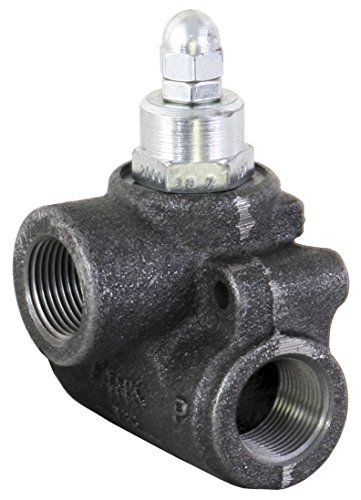
Best for: Trucks and trailers needing reliable high-pressure relief in a 3/4 inch NPT inline configuration. This valve supports demanding hydraulic functions with a maximum body pressure of 3000 PSI and a 20 GPM flow rate. It’s constructed with a heavy-duty cast iron body to withstand tough field conditions.
Why selected: It provides precise in-line relief for specific functions within hydraulic circuits, protecting components from overpressure. The combination of 3/4″ NPT threading, robust steel-to-cast design, and generous max pressure makes it suitable for several truck hydraulic tasks where space is constrained.
Caution: Ensure compatibility with your system’s relief setting requirements; data indicates high flow, so verify that operable pressure ranges match your application.
Buyers Products HRV10025 In-Line Relief Valve

Best for: Truck hydraulic systems demanding higher flow and a robust cast iron build. This valve handles up to 50 GPM and up to 3000 PSI, with an adjustable relief setting for flexible protection across applications.
Why selected: The higher flow capacity makes it well-suited for heavier-duty operations where maintaining steady hydraulic performance is critical. The 3-port design and adjustable relief enable versatile integration into complex circuits.
Caution: Adjustments should be performed with system depressurized to avoid injury, and verify that downstream components can tolerate the available relief range.
Buyers Products HRV07516 In-Line Hydraulic Relief Valve
Best for: Systems needing a precise, adjustable relief in a 3/4 inch NPTF format, with higher flow up to 30 GPM. This valve supports applications including snow plows and dump systems where predictable pressure control matters.
Why selected: Its adjustable pressure range (1501–3000 PSI) offers flexibility across various hydraulic tasks, enabling operators to tailor protection to the specific equipment and tasks at hand.
Caution: In-Line 3-port configurations may require careful routing to prevent inadvertent cross-connection in multi-feature vehicles; confirm port mapping before installation.
HYDRO MASTER Safety Relief Valve

Best for: Industrial and hot-water systems where corrosion resistance is important. This 3/4 inch thread valve uses an all-brass body with a stainless steel spring to guard against corrosion and ensure long service life at 150 PSI relief.
Why selected: The corrosion-resistant construction makes it a good match for environments with moisture or hot water duties. Its dedicated pressure relief at a known setpoint helps maintain safe operation in boiler or heating-related applications.
Caution: It’s designed for protection against excessive pressure rather than general hydraulic function relief; ensure the pressure rating aligns with your system requirements.
Summit Hydraulics Inline Relief Valve

Best for: General inline relief needs with a compact 3/4” NPT port. It provides up to 20 GPM flow, suitable for lighter truck and trailer hydraulic systems requiring dependable protection.
Why selected: A straightforward choice when you need a reliable relief valve without complex settings. The inline ball-spring mechanism provides predictable response and ease of installation in tight spaces.
Caution: For demanding high-velocity or high-pressure scenarios, verify that 20 GPM capacity and 2500 PSI rating meet the system’s requirements to avoid undersizing.
Buying Guide: Key Considerations For In-Line Relief Valves
- What is the required flow rate (GPM) for your hydraulic circuit? Choosing a valve with appropriate flow helps maintain performance without overworking the pump.
- What is the maximum system pressure? Match the valve’s max PSI to your equipment’s operating range to ensure effective protection.
- Which port size and thread type are compatible with your hoses and fittings? Common sizes include 3/4″ NPT and 3/4″ NPTF; verify thread standards.
- Do you need adjustable relief settings? Adjustable valves offer flexibility across different tasks, such as snow plowing or dump operations.
- What material suits the environment? Cast iron provides strength, brass offers corrosion resistance, and stainless components improve lifespan in harsh conditions.
- Is a multi-port design required? 3-port valves can enable diverting flow or protecting multiple circuit branches.
- What mounting and installation considerations exist? Inline valves should align with existing piping and ensure leak-free connections.
Frequently Asked Questions
- What is an in-line relief valve used for?
It protects hydraulic systems by releasing excess pressure from a specific function or circuit, preventing damage to pumps, hoses, and components.
- How do I choose between adjustable and non-adjustable relief valves?
Choose adjustable valves when you need to tailor protection to different tasks; non-adjustable models are simpler and more compact for fixed requirements.
- What does GPM mean in valves?
GPM stands for gallons per minute and indicates the valve’s flow capacity, affecting how quickly relief occurs and how the system operates under heavy load.
- Can I install an inline relief valve on any hydraulic system?
Most systems with hydraulic pressure can use an inline relief valve, but confirm port size, threading, and pressure ratings align with your components.
- What maintenance is required for relief valves?
Regular inspection for leaks, periodic testing of relief setpoints, and ensuring corrosion resistance components remain intact are typical practices.
- Are brass or stainless bodies better for outdoor applications?
Brass bodies resist corrosion in water-rich environments, while stainless springs and finishes improve longevity in harsher outdoor conditions.
Add a Comment