Answering your search for reliable hydrochloric acid transfer pumps, this guide highlights practical options for different needs. Best for portable, manual transfer jobs are the drum siphon pumps; best for continuous or occasional electric operation are the motorized models. The top picks below are suitable for handling highly corrosive liquids like hydrochloric acid under controlled conditions. This article helps buyers choose by material compatibility, flow rates, and ease of use. A quick summary table follows the product list to compare key capabilities at a glance.
| Product | Best For |
|---|---|
| Air-Operated Double Diaphragm Pump (PVDF) | Highest chemical resistance and longer life with highly corrosive acids |
| TRCDRUM 5.5 GPM Manual Drum Pump | Simple, reliable hand-pump transfer from 55-gallon drums |
| Orion Motor Tech 55 Gallon Drum Pump (Rotary) | Quiet, durable manual pump for regular drum transfers |
| Sotera 12V DC Chemical Transfer Pump | Outdoor or remote-transfer with motorized reliability |
| TERA PUMP Telescopic Electric Barrel Pump | Electric transfer with adjustable reach for varied drums |
Air-Operated Diaphragm Pump — PVDF Body

Product: Air-Operated Double Diaphragm Pump, PVDF body, PTFE diaphragm, 1 inch, 17 GPM. Brand: emagene. Applications include transporting highly concentrated chemical liquids such as hydrochloric acid, sulfuric acid, aqua regia, and more. Maximum temperature 120°C; maximum pressure 100 psi; maximum flow 17.6 GPM; maximum head 50 m.
Best for: Users needing strong chemical resistance for highly corrosive acids. PVDF construction offers excellent resistance to acids and bases, reducing wear from hydrochloric acid. Choose this if your operation involves highly concentrated acids or variable flow where durability matters.
Limitation: Requires an appropriate compressed-air source and setup; performance depends on air supply and diaphragm condition.
TRCDRUM Acid and Water Based Manual Drum Pump
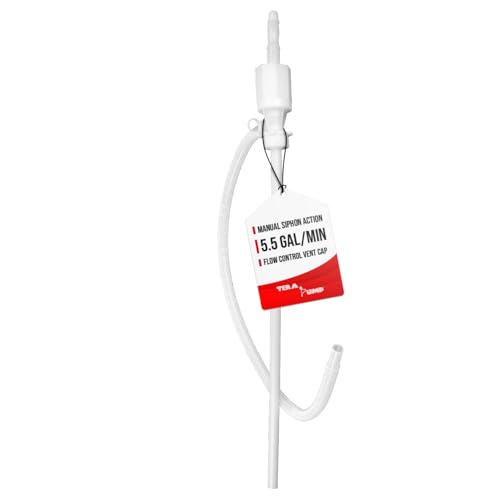
Product: TERA PUMP TRCDRUM Acid and Water Based Manual Hand Drum Barrel Siphon Pump. Fits 55-gallon drums, transfers up to 5.5 GPM, includes a flexible 46.5-inch discharge hose. Suction tube ~33.8 inches; heavy-duty plastic construction. Suitable for hydrochloric acid and other acids up to about moderate concentrations.
Best for: Drums transfer where a low-tech, reliable hand pump is preferred. Good for 55-gallon drums and environments where occasional manual pumping is acceptable.
Caution: Ensure compatibility with the specific acid concentration and verify that the hose and seals remain intact during use.
Orion Motor Tech 55 Gallon Drum Pump — Rotary

Product: Orion Motor Tech 55 Gallon Drum Pump, Rotary Barrel Pump for chemical transfer, fits 5–55 gallon drums. 0.65 in. spout; 3-section telescoping suction tube extends 11.8″ to 35.4″. Ergonomic hand crank.
Best for: Users needing a robust, hand-cranked solution with decent flow for varied fluids including certain acids and water-based solutions. Choose this if you want a simple, durable drum pump with good reach and control.
Limitation: Not suitable for gasoline or high-viscosity fluids; ensure the chemical compatibility of the pumped liquid with the pump materials.
Sotera 12V DC Chemical Transfer Pump

Product: Sotera 12V DC Chemical Transfer Pump with Motor Bracket, Hose & Suction Pipe. Designed for water-based fluids and mild acid transfer; outdoor use; double diaphragm design supports dry-run protection and stable output pressure.
Best for: Outdoor or remote setups requiring a motorized option with a compact package. A good fit for lighter duty acid transfer where electrical power is available or portable power is needed.
Limitation: Data notes mild acid transfer; harsh or highly concentrated acids may require more resistant materials or high-flow designs.
TERA PUMP Telescopic Electric Barrel Pump
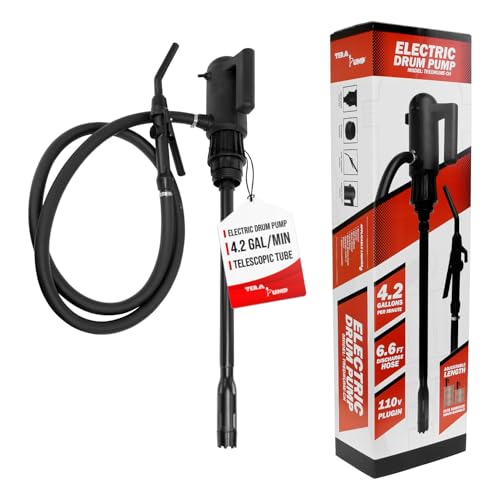
Product: TERA PUMP Telescopic Chemical Plug-in Electric Barrel Pump. Flow up to 4.2 GPM; adjustable suction tube length 22.6″ to 34″ to fit 15–55 gallon drums. Bung adapters included; 2 inch NPT to 2 inch buttress adapter; includes 12V plug-in or 12V-20V DC cable with control nozzle. Cautions regarding unattended use while nozzle is locked during refueling.
Best for: Electric pumping when you need adjustable reach and relatively steady flow for acids and other chemicals. This is a good choice for longer pumping sessions or where manual pumping is impractical.
Limitation: Ensure proper alignment with drum bung adapters and be mindful of the nozzle lock during refueling to prevent spills.
Buying Guide: Key Considerations For Hydrochloric Acid Transfer Pumps
- Material compatibility: PVDF, PTFE diaphragms, and corrosion-resistant seals are critical when handling hydrochloric acid. Avoid pumps with seals susceptible to chloride attack.
- Flow rate vs. control: For large drums, higher GPM saves time, but precise dosing often benefits from slower, controlled transfer.
- Power source: Manual pumps offer simplicity and independence; electric or battery-powered pumps provide convenience for frequent transfers.
- Drum compatibility: Confirm drum size (5–55 gallons) and bung type. Some pumps include adaptable fittings; others require adapters.
- Safety features: Look for dry-run protection, secure venting, and proper hose routing to avoid spills in sensitive environments.
- Maintenance: Regular inspection of diaphragms, seals, and hoses extends pump life in corrosive service.
FAQ
- Q: Can I use any pump for hydrochloric acid? A: No. Choose pumps with corrosion-resistant materials (PVDF, PTFE diaphragms) and compatible seals designed for hydrochloric acid.
- Q: What is a safe flow rate for acid transfer? A: It depends on your setup; manual pumps offer control, while electric pumps can move larger volumes quickly. Match flow rate to drum size and handling requirements.
- Q: Are there any limitations with drum siphon pumps? A: Yes. Some acids require tighter seals and corrosion resistance; ensure hoses and adapters are rated for the chemical concentration and temperature.
- Q: Is an air-operated pump better than a manual one for acids? A: Air-operated pumps provide high chemical resistance and continuous duty, but require an air supply and appropriate maintenance.
- Q: How do I maintain pump longevity? A: Regularly inspect diaphragms and seals, clean fittings, and replace worn parts promptly to prevent leaks or contamination.
- Q: Are there safety considerations when transferring acids? A: Always use appropriate PPE, ensure good ventilation, and secure all connections to prevent spills or splashes.
Add a Comment