Finding the right hydraulic oil transfer pump means balancing flow rate, compatibility with fluids, ease of use, and durability. The following selections are among the top-performing options for workshop, automotive, and industrial applications. Each pump listed below is designed to handle hydraulic oils, oils with varying viscosities, and related fluids with dependable self-priming or cordless operation. Use this guide to compare features, setup, and maintenance considerations for efficient oil transfer in demanding environments.
| Product | Brand | Type | Approx. Flow | Notes |
|---|---|---|---|---|
| GROZ Heavy Duty Electric Oil Transfer Pump (45555) | Groz | Electric, self-priming | 8 GPM | 2-inch bung adaptor, durable aluminum body |
| BLACKHORSE-RACING Self Priming Oil Transfer Pump | BLACKHORSE-RACING | Electric, self-priming | 20-60 L/min (≈5.25-15.75 GPM) | Diesel/kero/biodiesel capable, 110V |
| GROZ Heavy Duty Electric Oil Transfer Pump (45550) | Groz | Electric, self-priming | 4 GPM | 2-inch bung adaptor, durable aluminum body |
| Orion Motor Tech Diesel Transfer Pump | Orion Motor Tech | 12V, self-priming | Up to 12 GPM | Metal strainer, low-noise |
| Poafamx Fuel Transfer Pump | Poafamx | Cordless, battery powered | Up to 13 GPM | Two batteries, portable, forward/reverse modes |
GROZ Heavy Duty Electric Oil Transfer Pump — 8 GPM

The GROZ 45555 model is designed for efficient bulk fluid transfer, including hydraulic oils, antifreeze, and related fluids. It features an aluminum die-cast body and sintered powder metal gears for durability in demanding environments. With a rate of 8 GPM, this pump is suitable for automotive and industrial workflows where timely fluid movement matters. Compatibility spans synthetic oils, used oils, and non-flammable oil-based solvents, making it a versatile choice for multi-fluid workshops.
Key considerations
- Power compatibility: 110/115/120V options commonly supported.
- Durability: Aluminum body and robust gears reduce corrosion risk.
- Flow balance: 8 GPM offers a steady, practical transfer pace without excessive heat buildup.
Best use cases include drum transfers, service bays, and maintenance garages where bulk oil movement is routine. Regular inspection of hoses and fittings helps maximize lifespan and prevent leaks.
BLACKHORSE-RACING Self Priming 16 GPM Oil Transfer Pump
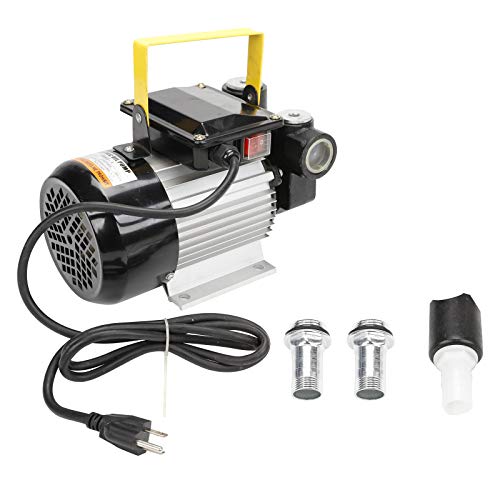
This pump offers a higher flow option with a rated 16 GPM (roughly 60 L/min), making it well-suited for faster transfers in larger workshops or service centers. It is self-priming and designed for 110V AC operation, with a motor capable of delivering strong performance for moving diesel, kerosene, biodiesel, and other low-viscosity fluids. The model emphasizes compact packaging with a robust motor designed for repeated daily use.
Key considerations
- Flow flexibility: 20-60 L/min range supports a variety of transfer tasks.
- Voltage and power: 110V AC operation with a 550W motor implies strong torque for quick priming.
- Maintenance: Check for oil compatibility and ensure clean intake to avoid clogs.
Ideal for fleet maintenance, shop floors, and pump-out tasks where speed reduces downtime and boosts efficiency.
GROZ Heavy Duty Electric Oil Transfer Pump (45550)
The 45550 version mirrors GROZ’s durable design philosophy with a 4 GPM flow rate, suitable for controlled transfers and smaller-volume tasks. The same corrosion-resistant aluminum die-cast body and sintered powder metal gears provide longevity even under demanding use. It supports a range of oils and non-flammable solvent blends, making it a practical choice for service bays and marine applications where precise dosing matters more than raw throughput.
Key considerations
- Lower flow for precision: 4 GPM helps control fluid transfers in tight spaces.
- Durable build ensures long service life in busy workshops.
- Compatibility: Broad fluid compatibility remains a strong point.
Users benefit from reliable priming and steady, predictable performance during routine oil changes and small-scale transfers.
Orion Motor Tech Diesel Transfer Pump

The Orion Motor Tech 12V diesel transfer pump is compact and self-priming, capable of moving up to 12 GPM with a generous suction length. Its design includes a metal strainer to filter impurities, protecting the motor and extending service life. A safety mechanism helps prevent motor damage in case of clogs, and its quick setup makes it a strong option for on-site oil changes or fieldwork where power outlets and mobility are important.
Key considerations
- Power source: 12V operation supports portability and on-site use.
- Capacity: Up to 12 GPM suits mid-volume transfer tasks.
- Filtration: Built-in strainer reduces debris-related wear.
Suitable for automotive, marine, and workshop maintenance where quick, reliable transfers are needed without heavy equipment.
Poafamx Fuel Transfer Pump — Cordless 13 GPM

The Poafamx cordless transfer pump delivers up to 13 GPM with a copper-core motor spinning at 4500 RPM. It runs on two 1500mAh batteries, offering roughly 30 minutes of continuous operation. It supports forward and reverse pumping, which helps with priming and repositioning fluids in tight spaces. The kit emphasizes portability for on-the-go tasks, making it a strong pick for remote work sites and service vehicles where cords are a constraint.
Key considerations
- Cordless convenience: Battery-powered operation enhances mobility.
- Flow and lift: 13 GPM with a 32-foot lift supports diverse on-site tasks.
- Operational modes: Forward and reverse pumping add versatility for priming and clearing.
Best used where mobility is prioritized, such as field services, boats, or repair vans requiring quick fluid transfers without a power outlet.
Buying Guide: Key Purchase Considerations and Comparisons
When selecting a hydraulic oil transfer pump, consider fluid compatibility, flow rate, and the work environment. Here are essential factors to compare:
- Fluid compatibility: Ensure the pump handles hydraulic oils, synthetic oils, used oils, and non-flammable solvents if needed. Some models are better suited for diesel, kerosene, or biodiesel—confirm your fluids before purchasing.
- Flow rate and head: Higher GPM speeds transfers but may generate more heat. Choose a rate that matches the task scale, whether drum-level bulk moves or small, precise transfers.
- Power source and portability: Corded models require outlets; cordless or battery-powered pumps offer on-site flexibility. Consider battery life and recharge time for cordless options.
- Priming and filtration: Self-priming designs save setup time. Built-in strainers or filtration help protect the pump from debris and extend life.
- Durability and materials: Aluminum bodies and metal gears indicate better longevity in industrial settings; plastic components may be lighter but less durable.
- Maintenance considerations: Availability of spare parts, hose quality, and gasket reliability influence long-term costs.
- Safety features: Overload protection, leak prevention, and secure fittings reduce risk during operation and storage.
For workshop owners, a balanced choice often favors models with robust construction, reliable priming, and a practical flow rate around 4–8 GPM for typical oil-change workflows. For fleets and service teams needing speed, higher-flow options around 12–16 GPM can reduce cycle times. Cordless variants provide ultimate mobility in remote locations, while corded types are dependable where outlets are readily available.
Maintenance best practices include inspecting hoses for wear, securing fittings to prevent leaks, flushing the pump after long idle periods, and storing the unit in a dry environment to protect aluminum components and seals. Always follow manufacturer guidelines for compatible fluids to avoid damage or safety hazards.
Add a Comment