If you need quick, reliable heating of hydraulic oil and related fluids, a dedicated heater pad or preheater can reduce wear and improve flow in cold conditions. This guide highlights top choices suited to small to mid-size hydraulic systems and reservoir tanks. Best for shop use, fleet maintenance, and DIY hydraulic setups, these heaters help fluids reach optimal viscosity faster, easing starts and reducing engine or pump strain during cold starts. The top picks below emphasize safety, ease of installation, and compatibility with smooth metal surfaces. A concise buyer’s table follows to compare key specs at a glance.
| Product | Best For | Power (W) | Size |
|---|---|---|---|
| Zerostart 3400034 | Hydraulic reservoir and engine oil | 500 | 5″ x 7″ |
| Zerostart 3400033 | Compact hydraulic/engine fluids | 250 | 3.5″ x 4.5″ |
| Zerostart 3400064 | Vehicle engines with space constraints | 500 | 5″ x 7″ |
| Kat’s 24150 | Oil and transmission fluid in winter | 150 | 4″ x 5″ |
| Zerostart 3400100 | Smaller oil systems and quick starts | 250 | 2.75″ x 6.5″ |
Zerostart 3400034 Silicone Pad Heater

Best for: large-capacity hydraulic reservoirs and engine oil systems in cold climates. Features a 5″ x 7″ silicone pad designed to warm internal components and improve fluid flow. Powers at 120V, 500W. The pad should be installed on smooth metal surfaces for effective heat transfer. Why chosen: High wattage delivers faster warming in larger reservoirs, reducing startup strain in low temperatures. Caution: Ensure the surface is clean and free of debris to maximize contact and avoid overheating at very low ambient temperatures.
Zerostart 3400033 Silicone Pad Heater

Best for: compact hydraulic lines and small reservoirs requiring steady heat without occupying much space. This 3½” x 4½” pad operates at 120V and 250W, suitable for tight engine bays or small fluid reservoirs. Why chosen: Smaller footprint fits constrained installations while still improving fluid flow in cold starts. Caution: Avoid placing on plastic surfaces; use only on smooth metal areas for reliable heat transfer.
Peterson Fluid Systems 08-0300 Oil Reservoir Pre Heater

Best for: auto parts and hydraulic reservoirs needing a preheat solution integrated with existing systems. This model emphasizes compact packaging and practical dimensions for automotive and light industrial use. Why chosen: Useful where a standard pad heater is paired with a reservoir, enabling a straightforward setup. Caution: Verify mounting clearances to avoid interference with other components.
Zerostart 3400064 Silicone Pad Heater
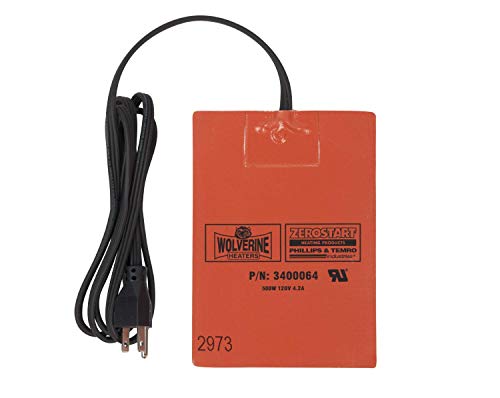
Best for: mid-size hydraulic and engine oil systems where a balance of heat and space is important. Features a 5″ x 7″ pad at 120V and 500W for robust warming. Why chosen: Its larger surface area improves contact with metal reservoirs, delivering consistent warm-up performance. Caution: Ensure electrical connections are protected from moisture and debris in outdoor environments.
Kat’s 24150 150 Watt Engine Oil Pan Heater

Best for: oil and transmission fluid in cold winters, providing smoother gear shifts and better lubrication. This 150W heater helps warms oil over a pan or reservoir. Why chosen: Lightweight and economical option for smaller engines or transmission systems. Caution: Do not overheat; follow usage guidelines to avoid heating beyond safe temperatures.
Zerostart 3400100 Silicone Pad Heater

Best for: smaller engine compartments where space is tight but reliable preheating is needed. The 2¾” x 6½” pad delivers 250W at 120V, making it a versatile option for compact hydraulic and oil systems. Why chosen: Combines compact size with respectable heat output for fast warm-ups. Caution: Avoid prolonged continuous heating to prevent surface damage or overheating.
Buying Guide: Key Factors for Hydraulic Oil Tank Heaters
- Heat Output vs. Tank Size: Larger reservoirs benefit from higher wattage pads (500W) for quicker warm-up, while smaller tanks can use 150–250W models without risk of overheating.
- Surface Compatibility: Pad heaters perform best on clean, smooth metal surfaces. Avoid mounting on plastics or irregular textures that hinder heat transfer.
- Power Source and Safety: Most options run on 120V. Look for CSA or equivalent safety approvals and ensure proper insulation, cord management, and moisture protection for shop or outdoor use.
- Size and Fit: Choose a pad size that matches your tank or reservoir footprint. A larger pad increases contact area but may not fit in tight spaces.
- Installation Considerations: Clean mounting areas, use mounting aids if provided, and avoid placing pads over moving parts or near unintended heat-sensitive components.
- Maintenance and Longevity: Inspect cords and connections regularly. Replace pads showing cracks or uneven heating to maintain performance and safety.
FAQ
- What is the primary benefit of a hydraulic oil tank heater?
They reduce cold-start wear by warming oil and hydraulic fluids to a more favorable viscosity, improving fluid flow and system efficiency. - Can I use a standard engine oil heater for hydraulic reservoirs?
In some cases, yes, but ensure the heater pad is rated for hydraulic fluids and compatible with the reservoir surface to avoid leaks or overheating. - Is 120V power universal for these heaters?
- How do I choose the right pad size?
Measure the target surface and select a pad with adequate contact area; larger pads offer faster heat but must fit your available space. - Are there safety precautions I should follow?
- Do these pads heat oil reservoirs evenly?
Even heat distribution depends on contact quality and pad size; ensure full contact with the metal surface for best results.
Yes, most listed options operate at 120V, which is common in US garages and fleets; confirm local electrical compatibility before installation.
Place heaters on clean, dry metal surfaces; do not cover the pad’s temperature sensor or funnel heat into areas with flammable materials; unplug during maintenance.
Add a Comment