The best high torque Nema 23 motors for 3D printers, CNC mills, lathes, and routers deliver strong holding torque and reliable performance at moderate voltages. This guide highlights five top options, explaining who each is best for and why. Expect straightforward specs, clear use-cases, and practical trade-offs to help you pick the right motor for your system.
| Product | Nominal Torque | Key Strength |
|---|---|---|
| STEPPERONLINE High Torque Nema 23 CNC Stepper Motor 3Nm | 3Nm (425oz.in) | Very high torque for demanding CNC tasks |
| RICHCNC High Torque Nema 23 3.00Nm | 3.00Nm (425oz.in) | High torque with 57x57x112mm footprint |
| STEPPERONLINE CNC Nema 23 2.8A 269oz.in | ≈2.0Nm (269oz.in) | Compact, good balance of torque and size |
| RICHCNC Nema 23 2.5Nm | 2.5Nm (353oz.in) | Strong performance for mid-range CNC tasks |
| UIROBOT Integrated Nema 23 1.26Nm | 1.26Nm | All-in-one servo-like control with encoder |
STEPPERONLINE High Torque Nema 23 CNC Stepper Motor 3Nm
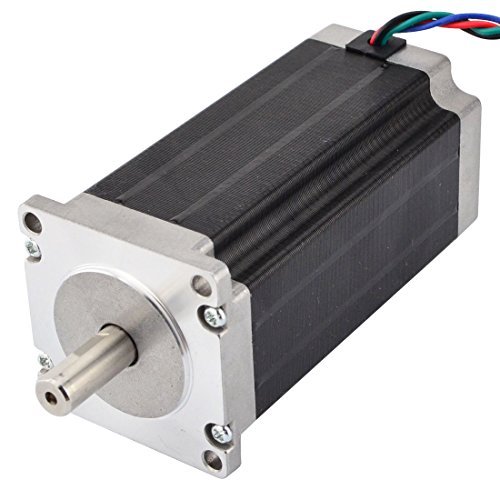
Torque: 3Nm (425oz.in); Size: NEMA 23 bipolar, 4-wire; Dimensions: 57x57x?4.45″ (approx 114mm length). This motor is best for heavy cutting and high-load scenarios in CNC mills and lathes, where maximum stall resistance matters. Best for users upgrading from lighter Nema 23 motors or building rigid gantries that require strong torque at low to moderate speeds.
Who it’s best for: shops needing maximum torque in a compact Nema 23 package, especially when cutting tough materials or maintaining high feed rates at low speeds. Why selected: it delivers top-end torque among common Nema 23 options, enabling robust performance under load. Limitation: higher torque comes with increased heat; ensure proper cooling and driver current settings.
RICHCNC Nema 23 High Torque 3.00Nm

Torque: 3.0Nm; Footprint: 57x57x112mm; Phase: Bipolar 4-lead, 80 cm cable option; Step angle: 1.8° per step; Working voltage: 26V. Best for: CNC mills and routers that require very strong torque with a reliable, stable mid-range option. Why selected: similar high torque to STEPPERONLINE’s top model, with a slightly different build and cable length offering flexibility in some setups. Caution: verify driver compatibility with the 26V operating range and current settings.
STEPPERONLINE CNC Stepper Motor Nema 23 2.8A 269oz.in

Torque: 269oz.in (≈2.0Nm); Current: 2.8A; Shaft: 6.35mm; Footprint: NEMA 23 bipolar, 4-wire; Length: about 3.0″ for a compact profile. Best for: users who need higher current capacity in a compact motor without going to the largest 3Nm units. Why selected: good balance of torque and size for mid-sized CNC machines. Limitation: torque is lower than the top-tier 3Nm models, so consider load and cutting requirements accordingly.
RICHCNC 2.5Nm Nema 23 High Torque
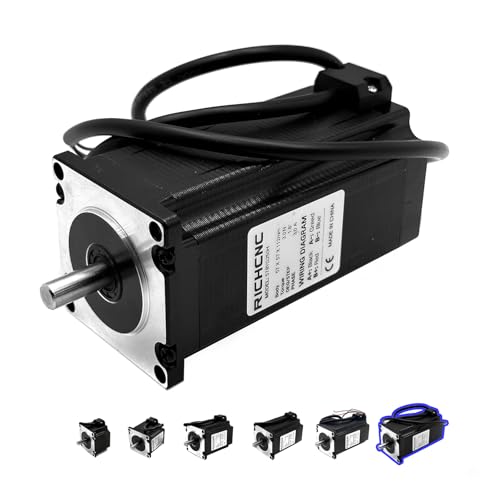
Torque: 2.5Nm (353oz.in); Footprint: 57x57x112mm; Phase: Bipolar 4-wire with standard 1.8° step angle; This motor is a strong mid-to-high torque option for CNC mills and routers that require substantial torque without moving to the largest models. Why selected: provides a solid alternative for systems needing >2Nm torque but with smaller machine footprint. Caution: ensure your drive electronics can handle the current and voltage for sustained operation.
UIROBOT Integrated Nema 23 1.26Nm

Torque: 1.26Nm; All-in-one: encoder, motor driver, and motion controller via CAN bus; Voltage: 24-48VDC; Current: 3.5A; This option is best for integrated control needs or when a compact closed-loop solution is preferred. Why selected: offers a compact, servo-like setup with built-in control features. Limitation: higher integration can complicate upgrades or repairs; check compatibility with existing CAN bus networks and software.
Buying Guide
What matters most when choosing a high-torque Nema 23 motor?
Torque and current handling are primary. Match holding torque to the load and spindle forces in your application. Consider the driver compatibility (current, voltage, and step mode) and the machine’s physical space.
Which torque level is right for my machine?
For heavy cutting or demanding feeds, aim for 3Nm class motors (3Nm or higher). For mid-range tasks, 2.0–2.5Nm motors provide a balance between power and heat. If your system benefits from an integrated solution, an all-in-one unit with a built-in controller can simplify wiring and tuning.
Open-loop vs. closed-loop decisions
Open-loop Nema 23 motors are simpler and cost-effective but may lose steps under high load. Closed-loop options (or integrated servo-like units with encoders) reduce missed steps and improve reliability in dynamic conditions, at the expense of higher cost and more complex setup.
Heat management and cooling
Higher torque motors generate more heat. Ensure adequate cooling, especially in enclosed setups. Consider de-rating under sustained loads and use of heatsinks or active cooling when wheels are motorized for long durations.
Wiring, cables, and length considerations
Check screw terminals, cable lengths, and connector types. Longer cables add resistance and potential signal loss; ensure drivers and cables are matched to keep torque stable across operational ranges.
Installation and compatibility
Confirm motor dimensions (57x57mm face, bipolar 4-wire) align with your mounting plates. Ensure your drive supports the selected voltage range (commonly 24–48V) and current rating. If upgrading from a lower-torque motor, plan for potential mechanical and control system adjustments.
FAQ
- What is Nema 23? It is a standard size for stepper motors with a 1.14″ square mounting face, compatible with many CNC machines and drivers.
- Is higher torque always better? Higher torque improves load-handling and stall resistance, but increases heat and may require more robust drivers and cooling.
- Do these motors require specialized drivers? Most are compatible with common stepper drivers, but verify voltage, current, and microstep settings to match motor ratings.
- What is the benefit of a closed-loop Nema 23? It provides encoder feedback, reducing missed steps and enabling smoother operation under dynamic loads.
- How do I choose between 2.0Nm and 3.0Nm? If your load is heavy or you need higher certainty of retaining position under load, choose 3.0Nm. For lighter tasks or smaller machines, 2.0Nm can be sufficient and more economical.
- Can I mix motors from different brands? Mixing brands is possible if the torque, current, and wiring are compatible, but this can complicate tuning and risk performance inconsistencies.
Note: This article presents objective, specification-based guidance. For precise integration, consult your machine’s drive system documentation and consider professional assistance for complex CNC upgrades.
Add a Comment