High temperature fiberglass insulation is essential for protecting surfaces and improving efficiency in extreme heat environments. This guide highlights five top options, suitable for hobbyists and professionals working with ovens, kilns, forges, and wood stoves. Each product is chosen for strong heat resistance, ease of installation, and practical application. The buyer who needs direct flame resistance, flexible installation, or a lightweight, cut-to-fit solution will find a fit here.
| Product | Best For | Max Temperature | Notes |
|---|---|---|---|
| Cedolio Ceramic Fiber Blanket | General high-heat crafting and oven work | 2400°F | Flexible, easy to cut, fireproof |
| Lyrufexon Ceramic Fiber Insulation Blanket | Fireproof blankets for stoves and forges | 2600°F | Wide application range |
| Molten Masters Ceramic Fiber Insulation Blanket | Industrial-grade high-temp applications | 2700°F | Durable, easy to cut |
| Silicone Fiberglass Sleeve (BuyUneed) | Protecting wires and hoses | 500°F (direct heat) | Flexible silicone coating |
| uxcell Insulation Braid Sleeving | Wire protection in high temp environments | 600°C | Alkali-free fiberglass |
Cedolio 24″ x12″x1″ Ceramic Fiber Blanket

Features: Ceramic Fiber Insulation is high-temperature resistant, insulated, and fireproof. Rated to 2400°F, it maintains its shape under fire. It’s flexible with tear resistance, easy to cut and stamp. Made from rockwool acoustic mineral wool insulation with low odor, offering good thermal and sound insulation benefits.
Best for: Hobbyists and small shops needing a compact, cut-to-fit blanket for oven baffles, kilns, or forge linings. This blanket is chosen for its balance of heat tolerance and workability. Limitation: may require multiple pieces for larger areas.
Lyrufexon Ceramic Fiber Insulation Blanket

Features: 24″ x 15.7″ x 1″ thick, rated to 2600°F. Designed for wood stoves, fireplaces, pellet stoves, chimneys, furnaces, boilers, pizza ovens, forges, and more. Provides high-temperature resistance and flexibility for various installations.
Best for: Users needing a high-temperature blanket that covers larger areas, such as stove baffles or furnace linings. Better for: applications requiring very high temperature tolerance. Caution: ensure proper sizing to avoid gaps that reduce effectiveness.
Molten Masters 24″x8″x1″ Ceramic Fiber Blanket

Features: Fireproof insulation withstands direct flame with a continuous use temperature up to 2700°F (1500°C). Engineered for superior heat retention and energy efficiency. Easy to cut and install; lightweight and flexible. Safety note: wear gloves and a mask during use.
Best for: High-heat industrial applications like forges, kilns, pizza ovens, or wood stoves where maximum temperature resistance is required. Choose this if you need the top-end continuous-use rating. Limitation: larger thickness options may be needed for bigger areas.
Silicone Fiberglass Sleeve Heat Shield (BuyUneed)

Features: Silicone-coated fiberglass sleeve provides heat insulation up to 500°F and protects wires and hoses from radiant heat. Outer silicone coating offers dielectric properties and abrasion resistance. Suitable for protecting brake lines, fuel lines, wiring harnesses, and cables from heat exposure.
Best for: Protective sleeve for wiring and cables in automotive or equipment areas with moderate heat. Better for: flexible routing around complex shapes. Caution: not a substitute for high-heat blankets in direct flame exposure.
uxcell Insulation Braid Sleeving

Features: 9.8 feet length, 5mm inner diameter, 0.3mm thickness. Working range up to 600°C (≈1112°F). Made of alkali-free fiberglass with binder. Provides high-temperature protection and neat cable management.
Best for: Lightweight, flexible protection for wires and small-diameter hoses in high-heat environments. Caution: verify diameter for your specific wiring harness or tubing.
BOMEI PACK Aluminum Foil Heat Shield Tape

Features: 5.5 mil fiberglass fabric with an aluminum-plated outer layer. Heat-resistant, durable, waterproof, and strong adhesion. Used for securing to surfaces to control radiant heat in automotive parts, home repairs, and more. Provides high-temperature protection and reflective heat resistance.
Best for: Quick, surface-level radiant heat control in automotive or home projects. Better for: adding a reflective shield to panels or hoses. Limitation: not a standalone insulating blanket for direct flame exposure.
FLASLD Aluminized Heat Shield Mat
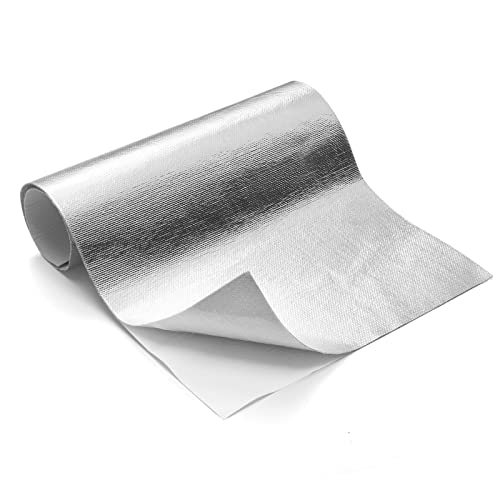
Features: Aluminized finish with woven silica; flexible and durable. Reflects up to 95% of radiant heat and withstands temperatures above 2000°F. Multiple size options with easy trimming.
Best for: High-temperature radiant heat protection in furnace doors, panels, or around heat-exposed components. Caution: not a primary insulation blanket for direct flame exposure; primarily reflects radiant heat.
XINPENGLIU Aluminum Backed Heat Shield Mat

Features: Self-adhesive fiberglass with aluminized outer facing. Provides heat protection up to 2000°F, reflects radiant heat, and resists chemical spills and oils. Easy to apply with adhesive back for a clean finish.
Best for: Quick retrofit on engine bays, exhaust components, or access panels. Better for: surfaces that benefit from an adhesive heat barrier; not intended as a full interior insulation blanket. Caution: ensure clean, dry surfaces for best adhesion.
Buying Guide: Key Considerations For High Temperature Fiberglass Insulation
- Temperature rating: Choose blankets or sleeves rated above the maximum operating temperature of your project. Higher ratings allow for direct flame exposure and longer life.
- Form factor: Blankets work well for large flat areas or baffles. Sleeving and braids suit wires, hoses, and irregular shapes. Consider if you need cut-to-fit pieces.
- Installation method: Self-adhesive surfaces simplify installation; non-adhesive blankets may require mechanical fasteners or fire-safe adhesives.
- Flexibility and cut resistance: Flexible blankets are easier to shape around contours; tear resistance prolongs service life in dusty or abrasive environments.
- Weight and handling: Lightweight blankets reduce handling effort; heavier blankets may provide better insulation but require more robust mounting.
- Compatibility: Some products are specifically designed for ovens, kilns, and forges; others are better suited for automotive or electrical heat shielding. Match to your use-case.
- Safety: Wear protective gear when cutting or handling high-temperature materials. Use gloves and eye protection during installation and handling.
Frequently Asked Questions
- What temperature rating do I need for a wood stove baffle? – Look for blankets rated at 2400°F to 2700°F for direct flame exposure and long-term performance.
- Can silicone-coated fiberglass be used for wiring near high-heat components? – Yes, for protection up to about 500°F of direct heat; it is not a substitute for high-temperature flame barriers.
- Are aluminized heat shields better than fiberglass blankets alone? – They excel at reflecting radiant heat; combine with blankets for comprehensive protection in many setups.
- Is it necessary to cut ceramic fiber blankets precisely to fit? – A precise fit minimizes gaps where heat can escape, improving effectiveness and insulation efficiency.
- Do I need to wear protective equipment when handling these materials? – Yes, due to fine fibers and dust during cutting and installation, use gloves, a mask, and eye protection as needed.
- Can these products be used for non-oven applications? – Yes, many are suitable for fireplaces, forges, kilns, and various high-temperature equipment contexts depending on form and rating.
Add a Comment