Need a heavy duty trash pump that can handle sand, solids, and challenging debris? This guide highlights five strong options and explains who should buy each one. Whether you’re draining a construction site, a flooded basement, or a remote acreage, these pumps are selected for reliability, solid performance, and practicality. The top picks cater to contractors, DIY homeowners with tough water, and agricultural setups requiring portable power.
Product Snapshot
| Product | Best For | Discharge | Power |
|---|---|---|---|
| Tsurumi HS2.4S | Construction/drainage with solids | 2 in | Electric, 0.5 HP |
| Honda WT20 | Job-sites with high volume | 2 in | Gas OHV |
| VEVOR 3 in 264 GPM | Remote locations, heavy lift | 3 in | Gas |
| BILT HARD Semi Trash Pump 2 in | Complete kit on-site | 2 in | Gas |
| Aquastrong 1 HP Sewage Grinder | Basement sump and sewage lines | 2 in | Electric |
Tsurumi HS2.4S Submersible Trash Pump

The Tsurumi HS2.4S is a compact electric submersible trash pump featuring a semi-vortex impeller and an integrated agitator. It handles debris up to 0.3 inch with minimal wear and clogging, making it suitable for sites with sand and solids. A 1/2 horsepower electric motor and a 115V supply deliver reliable performance for dewatering tasks. The 20-foot cord provides flexible setup, while the angled 2-inch discharge increases hose compatibility and flow efficiency. Best for: small to mid-size dewatering jobs on construction sites or remediation projects where portability and solid handling are essential. Limitation: limited by electrical source and moderate debris size compared to larger units.
BILT HARD Semi Trash Pump 2 Inch

The BILT HARD 2-inch semi trash pump is gas-powered and comes with a full kit, including a 50 ft discharge hose, 12 ft suction hose, cam lock fittings, and other adapters. Its 7HP 212cc engine provides strong flow for site drainage and water transfer. Best for: contractors who need a plug-and-play kit with long hoses for large outdoor job sites. Caution: ensure proper sealing tape use to avoid leaks at hose connections.
Honda WT20 2-Inch Construction Trash Pump

The Honda WT20 is a 2-inch trash pump with a robust commercial-grade engine and a heavy-duty frame. It features a 185 GPM capacity and a large metal strainer capable of passing up to 13/16 inch solids. The rugged construction and cast iron volute contribute to durability in harsh environments. Best for: job sites requiring high-volume pumping with reliable engine starting and solid debris handling. Limitation: higher noise and fuel usage compared to electric units.
VEVOR 3-Inch Gas Powered Pump

The VEVOR 3-inch semi-trash pump delivers up to 264 GPM with a 7HP engine, designed for portable, heavy-duty water transfer. Its high-head lift supports pumping to higher elevations, making it suitable for hillside drainage or larger pools and ponds. Best for: remote job sites or emergency use where electrical power is unavailable. Limitation: larger size and weight may affect portability on uneven terrain.
Aquastrong 1 HP Sewage Grinder Pump
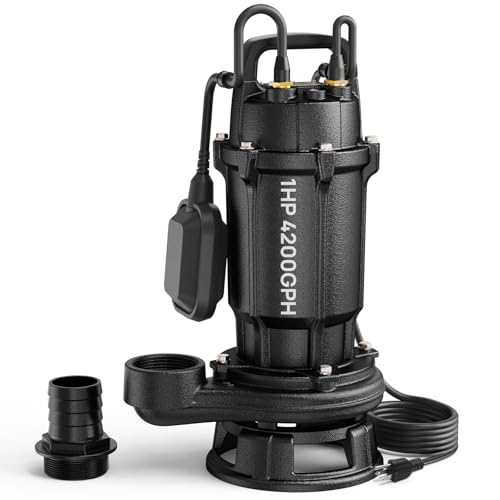
The Aquastrong 1 HP grinder pump shreds soft and tough debris using stainless steel blades, reducing clogs in sewage systems and sump tanks. It delivers up to 4200 GPH with a 2-inch discharge and includes a float switch for automatic operation. Best for: basement sump basins and sewage ejector setups where solids need grinding before drainage. Limitation: avoid fibrous or rubber items that could jam the grinder.
Buying Guide: Key Considerations For Heavy Duty Trash Pumps
- Pump type and power source: Choose electric for quiet operation and indoor use, or gas for remote sites without reliable power.
- Discharge size and solids handling: Match the inlet/outlet size to hoses and the largest solids you expect to encounter. Consider an agitator for tougher debris.
- Flow rate vs. head: Higher GPM moves more water, but higher head helps raise water to higher elevations. Balance with job requirements.
- Durability and materials: Cast iron components and solid frames increase longevity in tough environments; stainless steel blades resist corrosion.
- Portability and included kit: Look for pumps with hoses, clamps, and fittings included, especially for quick deployment on-site.
- Maintenance considerations: Submersible units reduce risk of overheating; grinders prevent clogs but require blade care and inspection.
Frequently Asked Questions
- What should I consider when choosing between electric and gas trash pumps?
– Electric pumps are quieter and simpler for indoor or urban use, but gas pumps provide portability and independence from power outlets, which is essential on remote sites. - How large a solid can these pumps handle?
– Solids handling varies by model; most 2-inch units handle up to about 1/2 to 13/16 inch solids, while some units with grinders can process tougher debris. - Is a pump with an agitator necessary?
– An agitator helps break up debris and prevents clogging in wet, sandy, or debris-laden conditions, especially in dewatering tasks. - What maintenance should I perform after use?
– Clean and inspect impellers, check seals, and examine hoses for wear. For gas engines, follow manufacturer oil and spark plug maintenance guides. - Can these pumps be used for continuous pumping?
– Many are designed for continuous operation during long drainage projects, but check the specific duty cycle and cooling requirements for each model. - Are grinders or shredders required for sewage applications?
– Grinders help prevent clogs by shredding solids before entering the discharge system, which is beneficial for basement or ejector pump setups.
Add a Comment