When selecting a gas flow control valve, reliability, compatibility with gas type, and the ability to regulate pressure and flow precisely are essential. The following picks represent a mix of compact valve replacements and robust needle valves suitable for residential heating, boilers, and industrial gas lines. Each item is evaluated for compatibility with common gas types, ease of installation, and compliance considerations. Use this guide to compare features and make an informed choice based on your system’s needs.
| Product | Brand | Gas Type Support | Key Benefit |
|---|---|---|---|
| Robertshaw 710-502 Millivolt 70,000 BTU Capacity Gas Valve | Robertshaw | Natural, LP, mixed gas types | Versatile, low-profile replacement valve |
| 700-506 Gas Valve 720,000 BTU/H | Vaticas | Natural, LPG, mixed/gas-air blends | High flow, suitable for larger setups |
| Durablow DV970A-NG Millivolt Gas Valve | Durablow | Natural Gas | CSA certified, compatible with common fireplace valves |
| MENSI 1/4″ Male NPT X 1/4″ Female NPT Valve | MENSI | Propane/industrial NG pathways | Rugged, industrial-grade needle valve |
| TaixinHyd Hydraulic Flow Control Needle Valve 3/8″ NPT | TAIXINHYD | Hydraulic oil and gas lines | High-pressure flow control |
Robertshaw 710-502 Millivolt Gas Valve

The Robertshaw 710-502 is designed as a compact, low-profile gas valve replacement for low-capacity space heater applications. It supports a broad electrical rating range from 250 mV to 750 mV, making it versatile across natural, manufactured, mixed, LPG, and LP gas/air mixtures. Its three-position 1/2-inch outlets and a 1/4-inch pilot outlet tubing, along with standard NEMA terminals and a gas cock dial, provide straightforward installation in compact installations. The included inlet filtered screen helps protect the valve from debris, promoting longer service life in residential settings.
In addition to its space-saving profile, the valve’s RoHS-compliant construction aligns with modern safety and environmental standards. This makes it a practical choice for homeowners replacing older B-67 valves in smaller furnaces or space heaters where room for hardware is limited. When selecting this valve, confirm compatibility with your existing gas type, pilot system, and the physical outlet sizing. The 710-502 is best used in applications where a low-profile, RoHS-compliant valve with reliable throw and solid terminal access is required.
700-506 Gas Valve 720,000 BTU/H

The 700-506 is a robust gas valve designed for the Robertshaw 700 series and similar systems. It delivers high flow rates up to 720,000 BTU and supports multiple gas types including natural, manufactured, mixed, LPG, and LPG/air mixtures. The valve is tailored for intermittent pilot, direct spark, and hot surface ignition configurations, and it includes a manual valve, pilot valve, and main air pressure regulator for integrated control. Its compact construction belies its capability, making it suitable for boilers, central heating equipment, portable stoves, and wall-mounted heaters in both residential and commercial settings.
Users should evaluate whether the installation aligns with the existing ignition system and whether the valve’s outlets and pilots align with the current piping. Its design emphasizes versatile applications beyond standard furnaces, but installation should comply with local codes and manufacturer directions. For larger heating setups needing dependable flow control, the 700-506 provides a strong balance of capacity and adaptability.
Durablow DV970A-NG Millivolt Gas Valve

The Durablow DV970A-NG valve is tailored for natural gas applications, particularly in Dexen, Robertshaw, and HHT series fireplaces and related units. It is CSA certified and rated for up to 225°F, with a 3/8-inch inlet and 3/8-inch outlet configuration. The valve’s cross-reference compatibility with a broad range of brands and models (including 200 MVLRC-N and H2299 variants) underscores its versatility for replacement parts across numerous brands. When installing this valve, ensure adherence to manufacturer directions and local codes to avoid ignition or gas-flow issues.
Its cross-brand compatibility makes it a practical option for homeowners or technicians performing insert or fireplace valve replacements. However, verify that the specific model and inlet/outlet threading match your appliance’s connections. The DV970A-NG is a dependable, compliant choice for natural gas setups requiring a millivolt control valve with broad brand compatibility.
MENSI 1/4″ NPT Brass Flow Control Needle Valve

The MENSI needle valve provides precise regulation for propane or industrial NG lines with 1/4″ NPT connections. Its brass construction supports rugged industrial use, offering durability in oil and gas environments. The valve is designed to open and close flow effectively, making it suitable for instruments and other flow-control applications. While it can be paired with a regulator for long-term stability, the needle valve alone offers fine control at lower pressure ranges. If leaks occur, an O-ring replacement can restore a tight seal.
As with any industrial valve, ensure appropriate torque during installation and verify compatibility with upstream regulators and downstream components. This valve’s rugged design is well-suited for HVAC plumbing, boiler feeds, and other gas-flow tasks where precise throttling is required. For residential heating, confirm that operating pressures align with the appliance’s specifications and that the valve’s materials are compatible with the gas type in use.
TaixinHyd Hydraulic Flow Control Needle Valve 3/8″ NPT
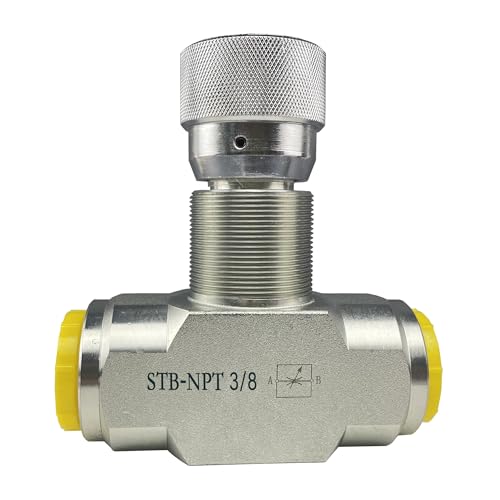
This TaixinHyd valve targets high-pressure scenarios, offering a 3/8″ NPT female-to-female configuration with a maximum working pressure around 5800 PSI. The valve body and stem are constructed from carbon steel, and the core uses 1-40Cr material, with a spring of SWP-B. The L-positioning structure and nut features enable stable adjustments in demanding hydraulic or gas lines. It is well-suited for applications requiring robust two-way flow control in high-pressure systems, including hydraulic and certain gas line configurations.
Consider that this valve is more suited to industrial or workshop environments where high-pressure control is essential. For household gas lines, verify compatibility with your appliance and ensure that the installation adheres to local codes and safe operating practices. The heavier-duty design offers reliable, repeatable control in systems where standard valves may not meet performance needs.
Buying Guide
Key purchase considerations help distinguish between valves intended for residential heating versus industrial gas or hydraulic systems. Below are factors to weigh when choosing a gas flow control valve:
- Gas type compatibility: Ensure the valve is rated for the gas you use (natural gas, LP, LPG/air blends, etc.). Some valves are specialized for millivolt systems or only certain gas families.
- Pressure and flow capacity: Compare BTU ratings, inlet/outlet sizes, and pressure tolerance. Higher BTU or PSI requirements demand larger or more robust valves.
- Valve type and precision: Needle valves provide fine throttling; millivolt valves focus on control in specific ignition and pilot systems. Choose based on how precise you need flow adjustment to operate safely and efficiently.
- Mounting and footprint: Consider space constraints. Low-profile valves fit in compact installations, while larger valves support high-capacity setups.
- Safety and compliance: Look for RoHS compliance, CSA/UL listings, and manufacturer directions. Local codes often dictate installation methods and materials.
- Materials and durability: Brass and carbon steel offer different strengths and corrosion resistance. Match material to environment and gas exposure.
- Compatibility with existing components: Confirm inlet/outlet thread sizes (NPT), pilot lines, and ignition systems align with your current hardware.
- Maintenance and replacement: Cross-reference with OEM parts, especially for fireplace or boiler assemblies where replacement parts may be limited to specific series.
In practice, homeowners replacing a valve should prioritize compatibility with their appliance’s brand and model, space constraints, and the availability of service manuals or installation guides. For commercial or industrial users, focus on pressure ratings, materials, and field service support to ensure ongoing reliability. When in doubt, consult a licensed technician to verify correct valve selection and installation.
Add a Comment