For buyers seeking durable, heat-resistant sheet materials, selecting the right fire retardant option is essential. This guide focuses on practical welding blankets and carbon-felt sheets that protect surfaces, tools, and people from sparks, slag, and high heat. It highlights products suited for professional workshops, home garages, grilling areas, and emergency safety kits. The following picks emphasize heat resistance, flexibility, and ease of use, helping you choose the right blanket or pad for different tasks and environments.
| Product | Best For | Heat Rating | Notes |
|---|---|---|---|
| 2 Pack 11×14 Inch Welding Blanket Fireproof Welding Pad | Small workbenches, pipes, and tight spaces | Up to 3000°F+ | 5mm carbon felt; flame containment; good for wrapping surfaces |
| Welding Blanket Fireproof 20 x 24Inch | General welding operations; longer protection area | Up to 3000°F | 5mm carbon felt; cuttable to fit custom shapes |
| NEIKO 10908A 4×6 Welding Blanket | Heavy-duty welding and shop safety | Fire resistant; fiberglass-based | Weave design for durability; fiberglass material |
| HOFENTIGU Welding Blanket Fireproof Tarp | Grills, stoves, and outdoor work | Up to 1800°F | 3mm thickness; versatile as a heat shield or table cover |
| Buraku Welding Blanket Fireproof | Welding tables and small heat shields | Up to 1800°F | 12″ x 26″; carbon felt; easy to cut |
2 Pack 11×14 Inch Welding Blanket Fireproof Pad

This carbon felt welding blanket is designed for high-heat protection, certified to ASTM D6413 and UL94-V0, with an impressive rating up to 3000°F. Best for small workshops, automotive work, and tight areas where a compact heat shield is needed. The 5mm thickness provides longer protection than thinner blankets, helping to contain sparks and spatter around critical components.
Who this is for: small shops, hobbyist welders, and plumbers needing a light but effective shield. Why selected: superior temperature resistance and durable carbon felt construction reduce heat transfer and material shedding compared to fiberglass blankets. Caution: heavy clamps help secure the blanket; ensure it remains flat to maximize coverage in irregular surfaces.
Welding Blanket Fireproof 20 x 24Inch
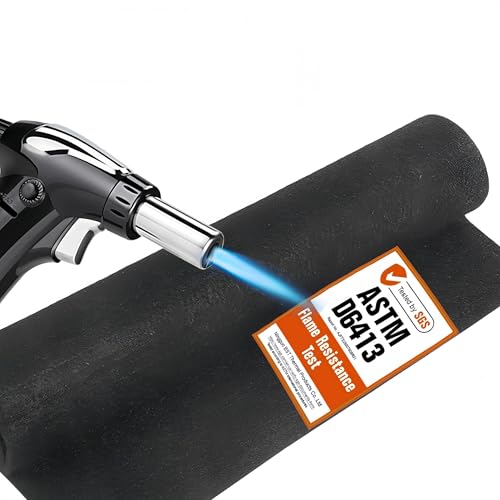
This larger carbon felt blanket provides broad coverage for welding tables and work zones. It is 5mm thick, offering extended protection time against ultra-high temperatures and a soft, resilient feel that adapts to curved surfaces. Certified to ASTM D6413, it is suitable for automotive repairs, metal fabrication, and home projects where a wider shield reduces risk of heat exposure.
Who this is for: shops and home garages needing a sizable heat shield. Why selected: its extra-large size enables easier draping and wrapping around irregular shapes. Caution: ensure a dry, clean surface to prevent clogging with debris and to maintain clamping efficiency.
NEIKO 10908A 4×6 Welding Blanket

NEIKO’s heavy-duty fiberglass welding blanket focuses on durability and long-term use. The 30 x 30 weave pattern enhances tensile strength, making it a reliable option for repeated welding cycles and tough environments. It provides robust flame retardant protection, making it a practical pick for general welding and industrial settings where fiberglass is preferred for its proven track record.
Who this is for: users prioritizing proven fiberglass protection and a dense weave for extended life. Why selected: durability and a classic choice for high-heat tasks. Caution: fiberglass blankets can shed fibers if damaged; handle carefully and replace once compromised.
HOFENTIGU Welding Blanket Fireproof Tarps

This 12×27 inch blanket offers a compact yet versatile solution, rated up to 1800°F. Its 3mm thickness makes it lightweight and easy to maneuver, suitable as a welding table cover, heat shield, or protective layer near grills and stoves. The material is described as soft and flexible, allowing it to drape over equipment or hardware to reduce heat exposure.
Who this is for: DIYers and professionals needing a portable heat shield for small jobs or temporary shielding. Why selected: balance between protection and manageability. Caution: rated for up to 1800°F, not ideal for high-heat operations beyond that threshold.
Buraku Welding Blanket Fireproof 12″ x 26″
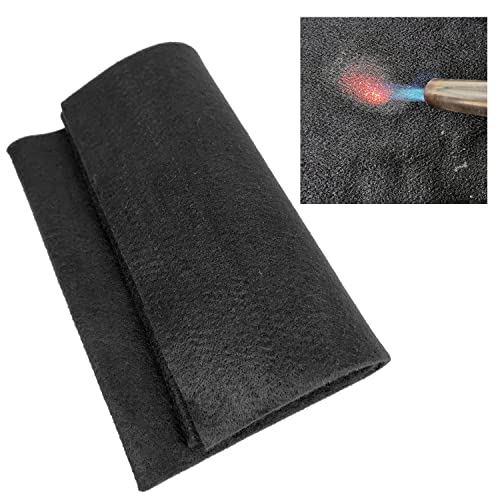
Buraku offers a compact, cuttable carbon felt blanket designed for welding tables, heat shields, and small projects. It withstands heat up to about 1800°F and can be trimmed to fit specific areas, providing a customizable shield for limited spaces. The soft, easily cut material makes it a practical choice when you need to tailor coverage around pipes or fixtures.
Who this is for: users needing a customizable shield for tight workspaces. Why selected: cut-to-fit versatility and reliable 1800°F protection. Caution: not rated for ultra-high heat beyond 1800°F; plan use around qualified operations accordingly.
Buying Guide: Fire Retardant Sheet Material For Your Projects
Where to start depends on your use case, budget, and preferred material type. Carbon felt blankets offer high heat resistance and flexibility, while fiberglass-based blankets emphasize durability and a proven track record in industrial settings. Consider thickness, coverage area, and the ability to cut or wrap around irregular surfaces when choosing the right option.
Key purchase considerations
- Heat rating: Look for blankets rated to withstand the temperatures you expect, such as 1800°F, 3000°F, or higher for specialized tasks.
- Material type: Carbon felt (excellent heat resistance and pliability) vs fiberglass (durability, established fire resistance).
- Thickness and coverage: Thicker (e.g., 5mm) blankets generally provide longer protection but may be less flexible; larger sheets cover more area.
- Cutting and shaping: If you need a custom fit, choose blankets that are easily cut or folded to match irregular surfaces.
- Certification: Look for ASTM D6413 and UL94-V0 or similar certifications to confirm performance under standard tests.
- Durability: Consider tear resistance, weave design, and whether the blanket holds its shape under clamps or when laid over surfaces.
- Applications: Choose based on whether the item will shield walls, tables, pipes, grills, or workshop floors.
Practical use scenarios
- Welding and metal work: Use carbon felt blankets to shield walls and floors from sparks and heat, and to protect sensitive surfaces.
- Grills and outdoor fires: A lightweight 3–5mm blanket can act as a heat shield under grills or fires to prevent heat damage.
- Custom shapes: For pipes or curved surfaces, softer blankets that wrap and conform perform better than rigid sheets.
- Safety kits: Include a compact blanket for emergency use in kitchens, garages, and workplaces—quick deployment is essential.
Choosing the right product: quick questions to ask
- Do I need a small, portable shield or a large coverage area?
- Will I be working near extremely high temperatures (3,000°F and above) or moderate heat?
- Is the material easier to cut to fit irregular shapes, or is rigidity acceptable for my setup?
- Do I require certification marks for compliance with safety standards?
FAQ
- What is the difference between carbon felt blankets and fiberglass blankets?
- Can these blankets be used on wooden surfaces?
- Are these blankets suitable for high-heat welding like TIG or MIG?
- Can I cut blankets to fit my project?
- Do these products meet safety standards?
- How should I secure blankets during use?
Carbon felt blankets offer higher heat resistance and flexibility, while fiberglass blankets are typically very durable and well-proven for general fire safety in workshops.
Yes, but ensure the wood is clear of flammable materials and that the blanket is positioned to prevent direct contact with hot surfaces.
Most are designed for high-heat welding, with ratings around 1800°F to 3000°F. Verify the exact product rating before use.
Many blankets, especially carbon felt options, can be cut with scissors or utility knives to shape them around irregular surfaces.
Look for ASTM D6413 and UL94-V0 certifications referenced in product features and listings.
Clamp or weight the blanket to keep it flat and prevent curling, ensuring it covers the intended surface or area.
Add a Comment