When choosing external shipping container insulation, the goal is reliable temperature control, easy handling, and cost-effective packaging for perishable items. This guide highlights top options that suit different shipping needs—from frozen meals to fragile perishables—so you can pick the best fit for your business or personal packing. Ideal buyers include small food vendors, home bakers sending perishables, and shipping operators seeking durable, reusable containers.
Summary table of selected products (quick comparison):
- Rnisda 19x12x16” Insulated Boxes with Bag Liners — Best for compact, flat-pack shipping of frozen foods and fruits
- Aviditi 214C Insulated Containers — Best for lightweight, reusable shipping with clear handling labels
- Tinlade Insulated Box Set (10 Pcs) — Best value per package for bulk shipments needing strong insulation
- HAOPENGYOU 2 Pack Thermal Boxes — Best for small shipments requiring complete kit with liners
- EmmChill SF17A Insulated Cooler — Best for larger, high-insulation needs with durable polyurethane foam
Rnisda 19x12x16” Insulated Shipping Boxes
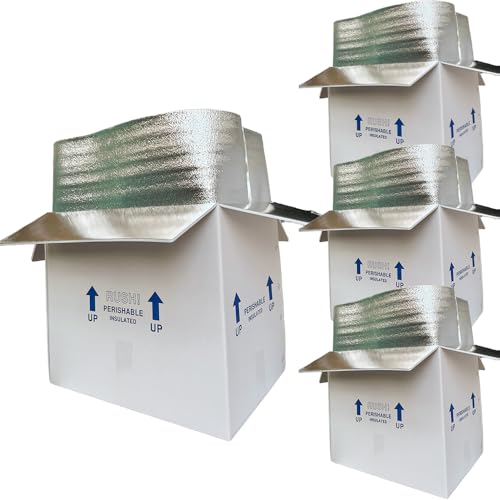
Best for compact, cold shipments where space is at a premium. The inside dimension is 19 x 12 x 16 inches, with a double insulation setup that works well for frozen foods, perishables, and produce. The kit ships flat for easy storage and folds to seal with tape. A printed perishable logo helps packages stand out without extra labeling. Ideal for small food batches, fruit shipments, and other temperature-sensitive items.
Who it’s for: small grocers, home-based food businesses, and hobby shippers needing strong insulation without bulky packaging. Why selected: strong insulation without sacrificing space; easy flat-pack storage; clear labeling for quick handling. Caution: confirm ice pack compatibility and ensure leak-proof sealing for best performance.
Aviditi 214C Insulated Shipping Containers

Best for shipments needing robust containment with clear handling instructions. Each kit includes a pre-assembled 200# white corrugated carton, an EPS foam container, and a tight lid. Printed labels like Rush and Perishable help ensure proper care in transit. These shippers are light-weight and reusable, making them a solid option for recurring cold shipments or multi-stop routes.
Who it’s for: small businesses that require reusable, clearly labeled insulation with straightforward assembly. Why selected: combination of carton and foam insulation supports temperature control while remaining manageable. Caution: check for compatibility with your internal product dimensions to avoid tight fits.
Tinlade Insulated Box Set (10 Pcs)

Best for bulk shipments requiring multiple insulated containers. The set includes 10 pieces with internal insulation layers and reflective metallized film for temperature retention. Inside dimensions around 8.3 x 4.1 x 5.1 inches, outside about 8.7 x 4.5 x 6.1 inches. These boxes are portable, reliable for short-range delivery, and suitable for compact food items or cosmetics that benefit from steady temperatures.
Who it’s for: vendors needing a ready-to-use bulk supply for frequent shipments. Why selected: bulk count, comprehensive insulation layers, portable sizing. Caution: verify the exact inner dimensions to guarantee fit for your product stack.
HAOPENGYOU 2 Pack Thermal Boxes With Aluminum Foil Liner

Best for versatile cold and dry-ice shipping, including meals, groceries, seafood, and cosmetics. This kit includes two insulated boxes and two liner bags. Interior dimensions are 12″ x 5.5″ x 7.5″, offering a practical balance of space and insulation. Multi-layer construction combines kraft exterior, dense foam, and a reflective interior to maintain temperature and minimize heat exchange. Choose this if you want a cohesive, ready-to-use kit for varied needs.
Who it’s for: businesses needing a compact but capable two-box kit with liners for reliable cold transport. Why selected: complete kit for immediate use and flexible applications. Caution: ensure adequate ice packs or dry ice for longer transit durations.
EmmChill SF17A Insulated Shipping Cooler

Best for larger, high-insulation needs. The SF17A uses polyurethane foam, providing superior insulation compared to standard EPS. It supports shipping breast milk, biotechnology products, frozen foods, cheeses, and similar perishable items. Built in the U.S.A., it emphasizes durability and recyclability for ongoing cold-chain usage. Consider this option when shipments require extended cold maintenance and higher protection per item.
Who it’s for: organizations shipping sizable, sensitive perishables over longer distances. Why selected: enhanced insulation and robustness for demanding cold-chain needs. Caution: heavier unit may increase handling requirements and shipping weight considerations.
Buying Guide: Key Considerations For Insulated Shipping Containers
- Insulation Type And Thickness — Higher-density foams and reflective linings improve temperature retention, especially for longer transit windows.
- Container Size And Internal Dimensions — Match inner dimensions to your product size to avoid wasted space or compression that could harm contents.
- Leak Protection And Sealing — Look for leak-proof liners and secure lids or tapes to prevent moisture ingress and odor transfer.
- Kit Or Single Component — Decide between complete shipping kits (boxes plus liners) and modular components based on your workflow and volume.
- Durability And Reusability — Reusable containers reduce long-term costs and waste; choose materials that withstand stacking and handling.
- Labeling And Compliance — Clear, visible handling instructions help prevent temperature excursions and mishandling in transit.
- Cost Per Use — Consider bulk purchases for higher-volume operations to lower per-shipment costs while maintaining insulation quality.
- Environmental Impact — Favor cartons, liners, and foams with recyclable or recyclable-friendly profiles where possible.
Frequently Asked Questions
- What type of insulation is best for long-distance cold shipping?
Polyurethane foam is often preferred for its superior insulation, especially in larger containers. - Are these boxes reusable after one shipment?
Many kits are designed for reuse, but check manufacturer guidelines and inspect for wear or damage. - Can I ship dairy products using these boxes?
Yes, if combined with appropriate ice packs and proper sealing to maintain cold conditions. - How do I choose the right size for my product?
Measure the product with packaging and choose inner dimensions that allow a snug fit without compression. - Do these containers meet food-grade standards?
Some boxes use food-safe liners and materials; verify product specifications for food-contact suitability. - What is the lifespan of insulated shipping boxes?
Lifespan depends on material quality, usage frequency, and handling; inspect for cracks or insulation degradation over time.
Add a Comment