Answering common buyer needs, directional control valve solenoids are essential for precise flow control in hydraulic and pneumatic systems. This guide highlights options suited for industrial automation, mobile equipment, and DIY projects. Best-for profiles help you match features with your application, from compact NG6 spool valves to multi-valve manifolds. Below is a quick buying overview and a concise product comparison table to start your search.
| Product | Valve Type | Voltage | Max Flow / Pressure | Best For |
|---|---|---|---|---|
| Uritue Electric Hydraulic Directional Control Solenoid Valve | 4-way/3-position hydraulic valve | DC 12V | 21 GPM / 4560 psi | Heavy-duty hydraulic circuits; general purpose automation |
| Hanshang Hydraulic Solenoid Selector Diverter Valve (SAE 6, 12V DC) | Selector/diverter | 12V DC | 50 L/min | Additional hydraulic function integration |
| Hanshang Hydraulic Valve D03 NG6 (3-Position, 4-Way) | 3-position, 4-way spool | 12V DC | 60 L/min | Mobile and industrial equipment |
| TAILONZ 4V210-08 1/4″ NPT 12V DC Valve | 2-position, 5-way valve | 12V DC | 5/6 available by port | Compact electro-pneumatic control |
| Baomain 6-Station Solenoid Valve Manifold, 24V DC | 6-station pneumatic valve manifold | 24V DC | Multiple circuits (individual valves) | Centralized control of multiple valves |
Uritue Electric Hydraulic Directional Control Valve
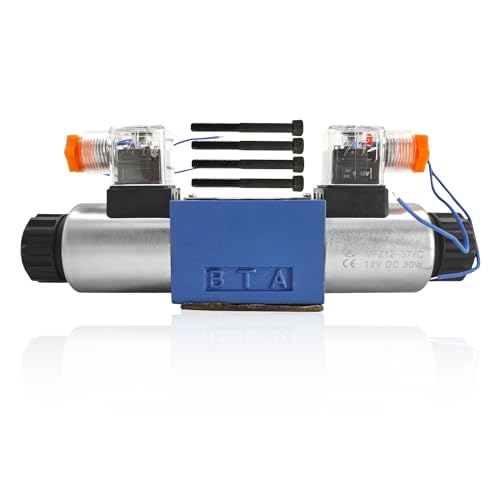
The Uritue valve is a 12V DC hydraulic directional control unit rated for high-pressure work, with a 21 GPM flow capacity and up to 4560 psi. It is suited for heavy-duty sanitation, agricultural, construction, and garden machinery. The unit is designed for reliability with factory validation and long-life operation. Best for: industrial hydraulic circuits requiring robust performance and high-pressure handling. Limitations: DC-only operation; ensure compatible power supply and coil impedance for your system.
Hanshang Hydraulic Solenoid Selector Diverter Valve (SAE 6, 12V DC)

This selector/diverter valve integrates an additional hydraulic function into existing machinery. It features SAE 6 threaded connections and a maximum flow rate of 50 L/min. Best for: adding a separate hydraulic function without a full valve bank. Choose this if your system uses SAE 6 connections and moderate flow needs. Caution: verify thread compatibility and saddle plumbing compatibility with your manifold.
Hanshang Hydraulic NG6 3-Position 4-Way Valve
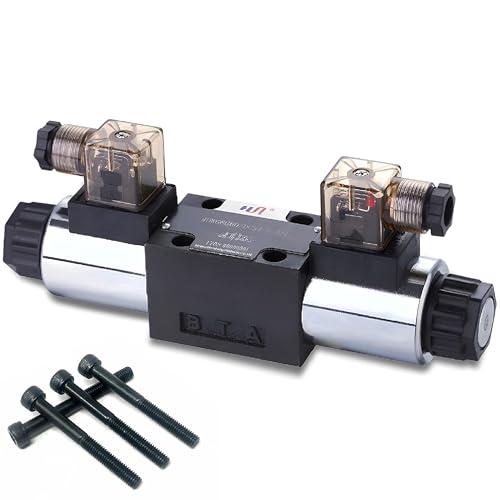
With a size 6 designation and a maximum flow rate of 60 L/min, this 12V DC solenoid valve is designed for mobile and automation equipment and is compatible with NG6 or D03 sub-plates or manifolds. Best for: standard mobile equipment and automation lines needing reliable 4-way control. Limitation: ensure compatibility with existing sub-plates and mounting hardware.
TAILONZ PNEUMATIC 4V210-08 DC12V Valve (Outlet Wire)

This 4V210-08 valve is a 2-position, 5-way solenoid with DC12V and an outlet wire configuration. It operates with a coil-based pull-in mechanism and is suited for compact, pilot-operated pneumatic systems. Best for: small to mid-size pneumatic setups where a 5-way, 2-position control is needed. Limitation: this is pneumatic, not hydraulic—verify system compatibility.
4 Spool Solenoid Valve, 12V DC Hydraulic Control
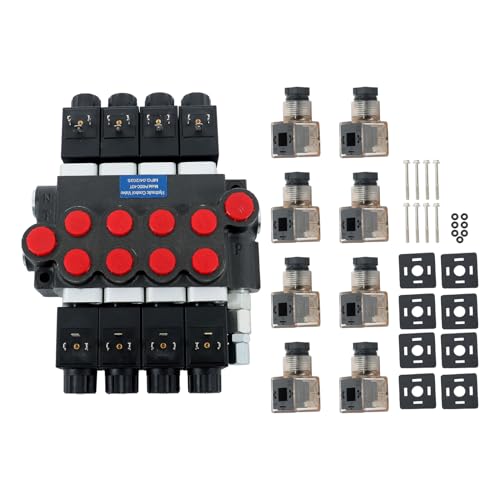
This 4-spool hydraulic valve controls four circuits independently and is designed for complex systems like dump trailers or snow plows. It supports 13 GPM flow and 3600 PSI max pressure with SAE 10 inlet/outlet and SAE 8 working ports. Best for: multi-circuit hydraulics needing independent control. Caution: ensure proper cable routing and valve stacking to avoid cross-talk between circuits.
Baomain 6-Station Solenoid Valve Manifold

The Baomain manifold consolidates six valves on a single base, simplifying installation and saving space. It includes quick-connect fittings and supports 2-position, 5-way pneumatic design for double-acting cylinders. Best for: centralized control of multiple valves in automated setups. Limitation: pneumatic design may require different fluid media and pressure considerations compared to hydraulic-specific units.
Buying Guide: Key Considerations for Directional Control Valve Solenoids
- System type and medium: Choose hydraulic or pneumatic valves based on the working fluid and required pressure/flow. Hydraulic valves handle higher pressures; pneumatic ones are generally lighter and suited for compressed air.
- Voltage and coil type: Confirm voltage compatibility (12V DC is common) and coil resistance to match your control electronics.
- Port size and connections: Match SAE sizes (SAE 6, SAE 8, SAE 10) to existing lines and manifolds. Sub-plates and mounting compatibility matter for NG6 or D03 configurations.
- Number of circuits: Consider how many independent control channels you need. A multi-spool or manifold setup reduces wiring and simplifies integration.
- Flow and pressure requirements: Ensure max flow rate and PSI align with actuator cylinders and loads. Oversizing can waste energy; undersizing can cause sluggish operation.
- Environmental and duty cycle: For outdoor or harsh environments, select models with appropriate insulation, seals, and duty ratings.
- Physical footprint and mounting: Check space constraints and mounting patterns to prevent interference with moving parts.
Frequently Asked Questions
- What is a directional control valve solenoid?
It is an electrically actuated valve that directs fluid flow in hydraulic or pneumatic circuits, enabling different actuator movements.
- How do I choose between hydraulic and pneumatic valves?
Choose hydraulic for higher pressures and precise force; choose pneumatic for lighter loads, simplicity, and speed where air is available.
- What does NG6 mean for valve compatibility?
NG6 refers to a frame/port size common in hydraulic manifolds and sub-plates; ensure your mounting substrate matches NG6 or D03 designs.
- Are 12V DC coils universally compatible with controls?
Not universally; verify control signals, current draw, and coil resistance to avoid overloading drivers or controllers.
- Can a manifold replace multiple single valves?
Yes, manifolds consolidate wiring and installation, but ensure each valve’s flow, port size, and electrical requirements fit your system.
- What maintenance do these valves require?
Regular inspection for leaks, clean ports, and verify seals, seals, and coil integrity to prevent performance loss.
Add a Comment