Choosing the right conveyor belt lacing tool can reduce downtime and extend belt life across industrial settings. This guide covers top-performing models designed for durability, fast installation, and compatibility with common fasteners like wire hooks, spikes, and buckles. Below, you’ll find five reliable options, each with features aimed at smooth operation and long service life. A brief product overview follows, then a detailed section for each tool with practical considerations and a final buying guide to help compare options across brands and use cases.
| Product | Brand | Key Feature | Type |
|---|---|---|---|
| 24″ Conveyor Belt Lacing Tool | KONLEYA | One-piece design, welded assembly, customizable stainless fasteners | Manual Roller Lacer |
| 36″ Conveyor Belt Lacing Tool | KONLEYA | Thicker nails, improved transmission, portable | Manual Roller Lacer |
| 24” Conveyor Belt Lacing Tool | KOTENTOP | One-piece, welded flat splicing, chemically resistant fasteners | Roller Machine |
| 48” Conveyor Belt Manual Roller Lacer | KOTENTOP | One-piece design, welded splicing area, versatile for spike/wire | Roller Lacer |
| 14” Manual Roller Lacer | KOTENTOP | Compact, weld-flat splicing, suitable for narrow belts | Roller Lacer |
The selections emphasize sturdy construction, ease of use, and compatibility with common lacing types. The list includes both Konleyas and Kotentops to reflect popular choices in industrial environments, plus a compact option for tighter belt setups. All tools feature welded assemblies to create a flat splicing area and help reduce belt run resistance, which is critical for maintaining consistent belt performance over time.
24-Inch Lacing Tool With 2 Templates

This KONLEYA tool features an integrated one-piece design to prevent detachment of individual hook legs, enhancing safety and stability during operation. The welded assembly creates a flat splicing area, reducing belt resistance and improving efficiency. It accommodates customizable stainless steel fasteners, offering chemical resistance and anti-magnetization suitable for diverse industries, including food processing. The design supports fast, reliable splices with two installation templates for versatility in belt widths and fastener configurations.
36-Inch Lacing Tool For Lacing Type Belt

With thicker nails and increased spacing, this KONLEYA model aims to minimize damage to the joint area and boost belt transmission efficiency. Its portable, user-friendly manual roller design facilitates quick, on-site installation. The tool emphasizes precision and speed in binding, delivering fast results without running nails. The combination of durability and ease of use makes it a solid option for mid-to-large belt systems requiring reliable maintenance and rapid repairs.
24” Roller Lacer For Wire Hook Fasteners
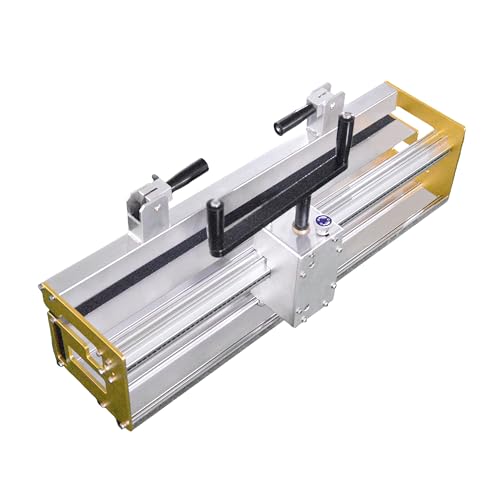
The Kotentop 24” roller lacer is designed for mechanical splicing with a focus on wire hook spike fasteners. It uses an aluminum alloy build to reduce weight while maintaining structural integrity. The tool supports chemically resistant and anti-magnetic fasteners on request, expanding its suitability for sensitive environments like food processing. A one-piece structure prevents single hook leg loss, and welding provides a flat, low-resistance splicing area for smoother belt operation.
48-Inch Manual Roller Lacer

Designed for larger belt systems, this Kotentop 48” roller lacer combines a one-piece structure with welding to create a flat splicing area. It supports spike and wire fasteners and ships with two installation templates, enabling precise alignment for wide belts. The extended length improves leverage and stability during installation, reducing operator effort and speeding up repairs on high-capacity conveyors.
14-Inch Manual Roller Lacer
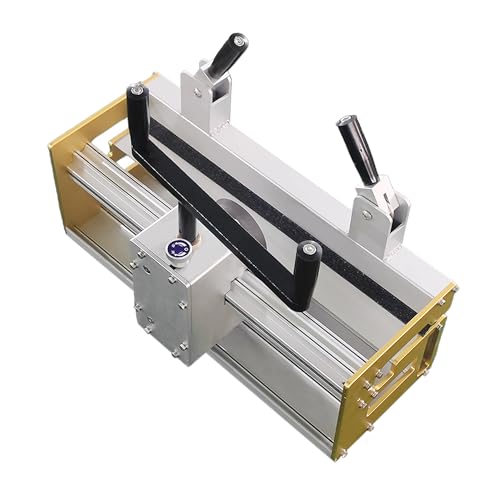
This Kotentop model targets narrow belt applications and low-volume users who require quick, on-site installations. Its one-piece construction prevents single hook leg detachment, and welding creates a flat splicing area to minimize belt resistance. The compact form factor supports easy transport and use in constrained spaces, making it ideal for small facilities or service calls to keep lines running smoothly.
Buying Guide: Key Considerations For Conveyor Belt Lacing Tools
- Splice Type Compatibility: Verify that the tool supports the fastener types used on your belts (wire hook, spike, buckles) and the typical belt width range in your operation.
- One-Piece Design And Welded Splicing: Look for tools described as one-piece structures with welded splicing areas to prevent hook leg detachment and reduce belt resistance during operation.
- Material And Corrosion Resistance: Stainless steel fasteners are preferred in food processing or chemical environments. Consider aluminum or alloy bodies for lighter weight without sacrificing strength.
- Template Availability: Tools with installation templates help ensure consistent, repeatable splices across multiple belts and shifts.
- Portability: For on-site repairs, a lighter or compact model improves handling and reduces setup time, especially in tight spaces.
- Maintenance And Replacement Parts: Check availability of replacement nails, fasteners, and templates to minimize downtime during ongoing operations.
- Impact On Belt Run: A flat splicing area minimizes resistance; this is critical for maintaining tension and reducing energy consumption during operation.
- Warranty And Support: Prefer brands offering clear warranty terms and responsive support for industrial equipment.
- Cost of Ownership: Consider tool durability, time saved on installations, and compatibility with your current fastener inventory when evaluating upfront cost.
- Environmental And Industry Needs: If your facility requires food-grade materials or anti-magnetic components, prioritize tools that offer these options.
When selecting a conveyor belt lacing tool, align the model with your typical belt width, fastener type, and production tempo. For frequent high-volume splicing on wider belts, a larger-capacity, welded, one-piece tool with templates can reduce cycle times and improve repeatability. For narrow belts or on-site maintenance, compact tools with straightforward operation and reliable one-piece construction offer practical advantages.
Add a Comment