Looking for a commercial-grade zero-turn mower to handle large lawns, commercial properties, or demanding cutting conditions? These top picks are designed for durability, speed, and consistent results. They’re best for professional landscapers, property managers, and homeowners who need heavy-duty performance with reduced mowing time. Below, five models stand out for reliability, cut quality, and operator comfort in real-world tasks.
Overview of top selections:
| Product | Brand | Deck Size | Engine |
|---|---|---|---|
| Husqvarna Z254F 54 in. | Husqvarna | 54 in | 23 HP Kawasaki |
| Husqvarna MZ61 61 in. | Husqvarna | 61 in | 24 HP Kawasaki |
| Ariens IKON Onyx (52″) | Ariens | 52 in | 23 HP Kawasaki |
| Craftsman 46″ Gas Zero-Turn | CRAFTSMAN | 46 in | 22 HP Kohler 7000 |
| Husqvarna Special Edition Z242F (42″) | Husqvarna | 42 in | 21.5 HP Kawasaki |
These models excel in different scenarios, from wide-cutting fleets and slopes to compact spaces where maneuverability matters. The following sections detail each pick, including who it’s best for and any important limitations to consider.
Husqvarna Z254F 54 in. 23 HP Kawasaki Zero Turn
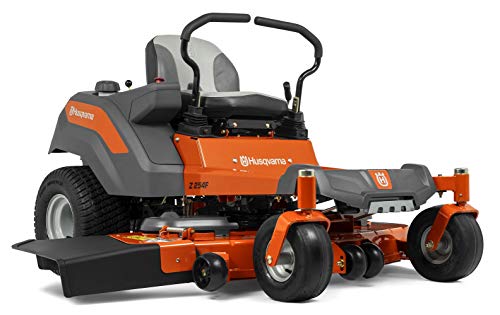
The Z254F combines a 54-inch FAB deck with a powerful 23 HP Kawasaki engine for a best-in-class cut and improved airflow. Its hydrostatic, maintenance-free transmission reduces service concerns on busy job sites. Best for large, open areas where a wide deck and robust power speed up mowing while preserving cut quality. The deep deck design enhances airflow for better bagging and clippings management. A potential limitation is that the weight and width may demand more storage space and access through tight gates.
Husqvarna MZ61 61 in. 24 HP
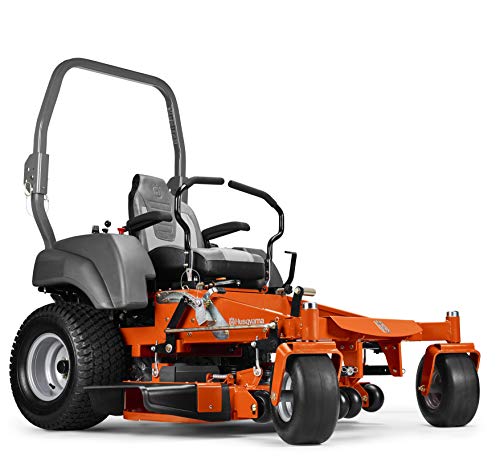
Designed for large properties, the MZ61 offers a 61-inch cut and a 24 HP Kawasaki engine for higher ground speeds. The Roll-over Protection System (ROPS) adds safety in varied conditions, and the fabricated 11-gauge steel deck supports dependable performance. Best for crews needing rapid mowing across expansive areas with strong durability and straightforward deck adjustments. It’s less ideal for tight spaces due to its wider footprint and higher weight, which can complicate storage and transport.
Ariens IKON Onyx (52″) 23HP

The Ariens IKON Onyx uses a 23 HP Kawasaki FR691V engine and a 52-inch deck to balance cutting width with maneuverability. Best for users who need solid power with a tighter turning radius, useful on uneven terrain. The model is positioned for reliable, all-day operation. A potential drawback is that it may have fewer advanced safety features found in higher-end commercial models, depending on configuration, so confirm the exact spec set before purchase.
Craftsman 46″ Gas Zero-Turn

The Craftsman 46″ offers a 22 HP Kohler 7000 series engine with a dual hydrostatic transmission. It’s best for smaller commercial lawns or high-density properties where tight turning and a quicker, nimble mower are valued. The 46-inch deck reduces overall mowing time in tight layouts. A limitation is the smaller deck and slightly lighter build compared with larger commercial units, which may affect performance on very tall or dense growth.
Husqvarna Special Edition Z242F (42″)

The Z242F offers a compact 42-inch deck and a 21.5 HP Kawasaki engine, making it ideal for narrow spaces, fenced yards, or properties with tight gate access. Best for operators who prioritize maneuverability over cutting width. It remains a solid choice for smaller commercial tasks where space is a premium. A caveat is that the smaller deck reduces productivity on very large properties relative to wider models.
Buying Guide: Key Considerations For Selective Buyers
What deck size is right for you? A larger deck speeds mowing on expansive lawns but requires more storage and transport room. A smaller deck improves access in tight spots but may increase mowing time on large properties.
How important is engine power? More horsepower improves performance on tall or wet grass and steep slopes. However, higher power often means higher cost and heavier machines.
Transmission type matters. Hydrostatic transmissions provide smooth, maintenance-free operation for most crews. Some models use standard gear-based transmissions; consider uptime, service availability, and terrain when choosing.
Safety features and operator comfort. ROPS, seat quality, foot-area design, and ergonomic controls influence daily use on long workdays. Some models emphasize safety add-ons more than others.
Maintenance and service network. Availability of parts, authorized service centers, and routine maintenance requirements should align with your business’s schedule and budget.
Frequently Asked Questions
- What is a commercial-grade zero-turn mower? A heavy-duty mower designed for frequent use on large properties, with durable decks, powerful engines, and commercial-grade transmissions for reliable performance.
- Which deck size should I choose for a large property? Larger decks (54–61 inches) are better for open, flat terrain and faster mowing; smaller decks (42–46 inches) fit through tight gates and around obstacles.
- Is a suspension or deck design important for slopes? Yes. Decks with robust airflow and certain frame designs help maintain cut quality on uneven terrain, while frame stability improves operator comfort on slopes.
- Do I need a roll-over protection system (ROPS)? ROPS can improve safety on uneven ground or rides with potential rollover. It’s a common feature in higher-end commercial models.
- What maintenance should I expect? Routine oil changes, filter replacements, blade sharpness checks, and transmission service are typical; check the manufacturer’s maintenance schedule for each model.
- How do I measure total cost of ownership? Consider purchase price, maintenance, fuel or battery costs, parts availability, and expected lifespan of deck and engine components.
Add a Comment