Looking for a reliable CNC milling machine that can handle metal, wood, and composites? This guide highlights five top picks suited for hobbyists, small shops, or classroom makerspaces. Each model is described with its best-use scenario, key strengths, and a practical note on any limitations. This helps buyers compare capabilities quickly and choose the right machine for your material mix and workload.
Summary table of chosen products
| Product | Best For | Key Strength | Limitation |
|---|---|---|---|
| AnoleX CNC Router Machine 3030-Evo Max | Light to mid-duty metal and multi-material projects | Rigid all-metal frame, dual linear guides, upgradeable spindle | Smaller home-machine footprint; upgrade may be needed for heavy metals |
| TTC3018 Pro CNC Router Machine | Compact woodworking and small-scale engraving | All-metal Z-axis, 0.1mm precision, wireless and offline options | Smaller work area; light-duty for metals |
| Genmitsu 3030-PROVer Ultra | Metal and acrylic engraving with strong precision | 710W spindle, dual rails, ball screws | Higher price; larger footprint |
| FoxAlien Masuter Pro | Beginner to intermediate projects with upgrade paths | All-metal structure, compatible spindles/clamps | May require upgrades for heavy metal milling |
| WolfPawn 4040 PRO | Desktop metal/wood/nylon with robust control | GRBL control, 500W spindle, solid frame | Moderate expansion needed for very heavy metal cutting |
AnoleX CNC Router Machine 3030-Evo Max

The AnoleX 3030-Evo Max is designed for small home workshops that need metal-capable cutting with reliable rigidity. It uses an all-metal chassis with dual MGN-15 linear guides on each axis and upgrade options. The stock 800W trim router provides metal-capable cutting in lightweight aluminum and soft metals, with a path to higher power spindles for increased capacity. Best for those who want a compact machine that can grow into heavier tasks over time.
Best for: hobbyists and light-duty metal work, including aluminum and brass, who expect to upgrade spindles as their projects scale. Why selected: strong structural design and upgrade paths support progressive capability without buying new hardware.
Caution: initial cut quality and aluminum tolerance depend on the spindle and dust protection around the X/Y axes; upgrading the spindle to 1.5 kW enhances capacity but increases system requirements.
TTC3018 Pro CNC Router Machine

The TTC3018 Pro is a compact, all-metal 3-axis desktop router designed for wood, acrylic, MDF, and light aluminum or brass work. It emphasizes stability with a dedicated Z-axis and precise travel. Wireless transfer and offline engraving capabilities add versatility for classrooms and makerspaces. Best for: educational settings and small-batch engraving where space is at a premium.
Why selected: its combination of portability, precision (0.1 mm), and offline capabilities suits learners and small workshops needing reliable results without a large footprint.
Caution: its working area is modest (300x180x40 mm), so larger parts require multiple setups or different machines.
Genmitsu 3030-PROVer Ultra
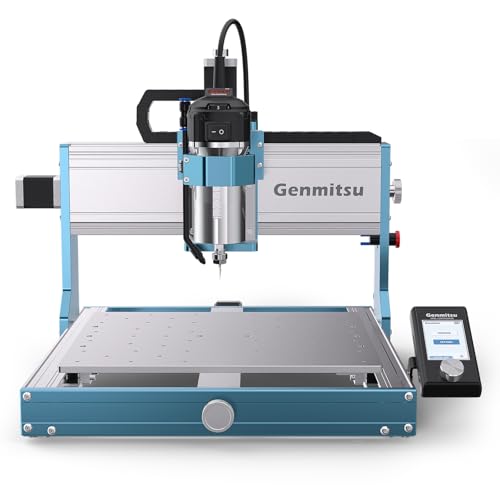
The Genmitsu 3030-PROVer Ultra is a robust all-metal CNC router built for metal and acrylic engraving with a powerful 710W spindle. Its dual HG15 linear rails and 1204 ball screws provide high rigidity and precision, making it suitable for detailed metal work and accurate acrylic engraving. Best for: users who need consistent, high-precision cuts with heavier materials.
Why selected: the combination of a strong spindle, precise rails, and closed-loop control yields reliable performance in demanding tasks.
Caution: the larger footprint and higher price may deter casual hobbyists; ensure adequate workspace and dust management before purchase.
FoxAlien Masuter Pro 3-Axis CNC Router

The FoxAlien Masuter Pro features an all-metal structure and a robust Z-axis, supporting versatile materials such as wood, acrylic, and nylon. It provides flexible spindle options with clamps for 52 mm and 65 mm forks, enabling upgrades to a 60W or 300W spindle and even 1.5 kW setups. Best for: beginners who anticipate adding higher-power spindles as skills grow.
Why selected: its upgrade-friendly design, durable chassis, and easy-access controls suit learners and hobbyists who value long-term expandability.
Caution: compatibility with very heavy metal cutting depends on the chosen spindle and proper cooling; check clearance for taller projects and dust management needs.
WolfPawn CNC Router Machine 4040 PRO

The WolfPawn 4040 PRO desktop router uses a GRBL control system with a 500W spindle, V-Wheel and linear rail structure, and a Z-probe auto tool setter. It balances desktop practicality with metal and wood cutting capabilities, offering a strong, stable platform for precise routing and engraving. Best for: makers who want a solid desktop option with reliable GRBL control and simple upgrades.
Why selected: the combination of a solid frame, online/offline operation compatibility, and tool-setting features make it a practical all-around choice for small metal and woodworking projects.
Caution: for heavy metal milling, consider a machine with a higher spindle power and more robust cooling over extended cycles.
Buying Guide
What should you consider when choosing a CNC milling machine for metal and wood?
- Work area and footprint: Match the machine size to your workspace and the largest parts you plan to cut.
- Spindle power and type: For aluminum and brass, higher wattage spindles (710W–1.5kW) tend to perform more consistently; all-metal spindles offer better heat handling and longevity.
- Structural rigidity: All-metal frames and dual linear rails or ball screws reduce wobble and improve precision, especially on metal work.
- Accuracy and repeatability: Look for claims like ±0.03 mm or ±0.01 mm; ensure the machine has robust axis guides and accurate lead screws.
- Dust and debris management: Dust protection and enclosure options help maintain accuracy and prolong wear life on X/Y axes and spindles.
- Expansion potential: If you plan to upgrade spindles or add tooling, verify clamp compatibility and available upgrade kits.
- Connectivity and workflow: Wireless transfer, USB, SD card offline work, and software compatibility (e.g., Fusion 360, Easel, Carveco) affect productivity.
- Support and documentation: Look for clear setup guides, troubleshooting resources, and replacement parts availability.
Frequently Asked Questions
- What materials can a CNC router mill besides wood?
– Most metal-capable routers can cut aluminum and brass with appropriate spindle power, feed rates, and cooling; always verify spindle current and material thickness before cutting. - Do I need an enclosure for metal milling?
– Enclosures improve dust containment, safety, and ambient temperature control, which helps maintain spindle performance and precision. - Is a more powerful spindle always better?
– More power enables deeper cuts and tougher materials but requires adequate cooling and appropriate feed rates to avoid tool wear. - Can I upgrade a hobby CNC for metal work?
– Yes, many models offer upgrade paths like higher-watt spindles, improved ball screws, or additional clamps, but verify compatibility first. - What software do these machines support?
– Common options include Fusion 360, Easel, Candle, Carveco, and others; verify file transfer methods and compatibility with your workflow. - What is the typical learning curve for metal milling on a hobby machine?
– Expect a short learning phase to optimize feeds and speeds, tool paths, and workholding, especially when transitioning from wood-only projects.
Add a Comment