Looking for an affordable exhaust gas analyzer that still provides solid measurements and reliable data? This guide identifies capable value-priced models ideal for hobbyists, small shops, and students, focusing on CO, CO2, NOx, HC, and O2 readings. Each pick balances price with essential features like built-in pumps, filters, and practical data logging. Read on to see which model fits your use case, from basic tailpipe checks to more advanced combustion diagnostics.
Buyer profiles:
– Hobbyists and DIY enthusiasts: need straightforward, compact analyzers with essential gas readings.
– Small shops: favor portable units with reliable sensors, durable cases, and easy data capture.
– Students and instructors: benefit from clear data output, practical diagnostics, and calibration options.
Below is a quick summary of the selected products to compare at a glance.
| Product | Best For | Key Benefit | Limitation |
|---|---|---|---|
| Forensics Detectors FD CO Analyzer | Budget-conscious technicians | 0-2% CO range with built-in pump | Limited gas types (CO-focused) |
| Bridge Analyzers 5-Gas Exhaust Analyzer | Comprehensive diagnostics | CO, CO2, HC, O2, NOx | Bulkier than single-gas units |
| Forensics Detectors FD NOx Gas Analyzer | NO and NO2 focused tests | USA NIST traceable calibration | NOx-centric scope |
| Bridge Analyzers 4-Gas Exhaust Analyzer | Portability with four gases | CO, CO2, HC, O2 | Fewer gas options than 5-gas model |
| MXBAOHENG SV-5QC | Educational and shop labs | Multi-gas with infrared/NO capabilities | Limited advanced diagnostics data |
Exhaust Gas Analyzer Carbon Monoxide By Forensics Detectors

This device targets carbon monoxide in emissions from motorcycles, forklifts, automotive engines, and small gas engines. It includes a waterproof hard case, water trap, and filters to minimize cross-sensitivity errors, plus a stainless steel probe and high-temperature tubing. A built-in micro-pump (0.5 LPM) and a fast <30-second> response time support quick checks. Best for budget-minded technicians needing CO-specific data with solid portability.
Best for: budget-oriented shops and DIYers focusing on CO measurements. Why selected: essential CO range with practical mounting and protection features at a lower price point. Caution: data scope is CO-focused; cross-sensitivity with other gases may require complementary instruments.
Bridge Analyzers 5-Gas Exhaust Analyzer
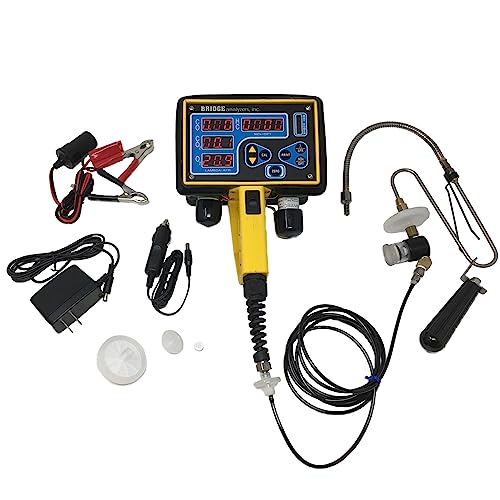
This 5-gas unit covers CO, CO2, HC, O2, and NOx using a mix of NDIR and electrochemical sensors. It emphasizes comprehensive tailpipe diagnostics, with a portable handheld design for mobile or shop use. It’s well-suited for small fleets or shops needing broader gas analysis and engine diagnostics like Air/Fuel Ratio and Lambda estimates.
Best for: users needing a broad gas suite in a compact form. Why selected: enables more complete emissions profiling than single-gas models. Caution: may be larger and heavier than ultra-portable single-gas units, affecting one-person operation in tight spaces.
NOX Gas Analyzer By Forensics Detectors FD

This NOx analyzer emphasizes nitrogen oxides with USA NIST traceable calibration. It includes a waterproof case, water trap, and NOx filter to reduce cross-sensitivity, plus a stainless steel probe and high-temp tubing. A built-in micro-pump supports quick response. Best for laboratories or shops focusing on NOx emissions testing and compliance checks.
Best for: NOx-focused testing with calibration traceability. Why selected: reliable certification and accessories aid accuracy in regulated or quality-control contexts. Caution: more specialized than multi-gas units, which may slow broad-spectrum testing needs.
Bridge Analyzers Exhaust Gas Analyzer, 4-Gas

This 4-gas model covers CO, CO2, HC, and O2 for automotive tailpipe diagnostics. It emphasizes portability and an easy-to-use handheld design, with engine diagnostic capabilities including Air/Fuel Ratio and Lambda calculations for fuel control and tuning. Suitable for mobile technicians and shop floors that need quick, reliable four-gas readings.
Best for: on-the-go diagnostics with essential four-gas coverage. Why selected: balance of portability and essential analytics. Caution: fewer gas types than a 5-gas unit, which may limit in-depth analyses in some cases.
MXBAOHENG SV-5QC Automobile Exhaust Gas Analyzer
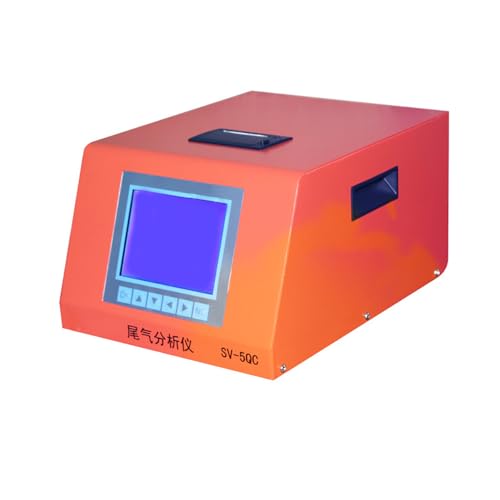
The SV-5QC uses infrared absorption for HC and CO2 alongside NO and O2 measurements, suitable for laboratory classrooms, automotive manufacturing settings, and repair facilities. It supports various fields—university labs and workshops—where a versatile gas analyzer is advantageous. Best for: educational and shop environments needing multi-gas data with a user-friendly interface. Caution: advanced capabilities may exceed basic maintenance needs for some users.
Buying Guide
What should you consider when choosing a cheap exhaust gas analyzer?
- Gas coverage: Decide whether you need CO alone or a broader suite (CO2, HC, O2, NOx). More gases mean higher versatility but possibly higher cost.
- Calibration and certification: Calibration certificates (like USA NIST) enhance reliability, especially for formal diagnostics and training.
- Portability vs. power: Handheld units suit mobile work; bench-top or larger handhelds offer deeper diagnostics and data logging.
- Sampling and sensors: Pumps, filters, and anti-cross-sensitivity features protect accuracy in real-world exhaust environments.
- Data access: Look for devices with clear digital outputs, easy data export, and readable displays for quick interpretation.
- Durability: Waterproof cases, robust probes, and high-temperature tubing help in workshop and field conditions.
- Price-to-value balance: Consider whether you need basic CO testing or a broader suite for training, maintenance, and compliance.
Buying Considerations By Use Case
- DIY and hobby use: Choose a CO-focused analyzer with a compact form and protective case to minimize setup time.
- Small shop diagnostics: A 4- to 5-gas model provides more diagnostic insight without overwhelming complexity.
- Educational labs: Multi-gas units with clear data readouts and calibration documentation support teaching scenarios.
- Regulatory or compliance testing: Favor models with NIST or equivalent calibration and traceability.
FAQ
- What is an exhaust gas analyzer used for?
An exhaust gas analyzer measures gas concentrations in vehicle or engine exhaust to assess emissions, fuel efficiency, and engine tuning needs.
- Do I need multi-gas capability?
Multi-gas analyzers provide broader diagnostics (CO, CO2, HC, O2, NOx) and are useful for comprehensive testing and training.
- Is NIST calibration important?
USA NIST calibration adds traceable accuracy, which is valuable for professional or educational environments requiring verifiable measurements.
- How portable should the unit be?
Consider whether you perform field tests or shop-based work. Portable units are easier to carry, while larger units may offer more features.
- What maintenance does an exhaust gas analyzer require?
Regular calibration checks, sensor replacement as advised by the manufacturer, and proper cleaning of filters and traps help maintain accuracy.
- Can these devices log data?
Some models include built-in data logging and computer data logging features for tracking tests over time.
Add a Comment