Answering the need for reliable, energy-efficient water heating in cold weather, these cattle trough water heaters keep drinking water accessible for livestock. The top picks suit different setups—from backyard herds to larger livestock operations—emphasizing safety, easy installation, and consistent water temperature. Best for: small to mid-size farms needing simple, plug-and-play solutions; large herds requiring higher power for faster heating and larger tanks. The table below compares five well-suited options.
| Product | Best For | Tank Capacity | Power |
|---|---|---|---|
| K&H Pet Products Stock Tank & Pond Heater (500W) | Medium-sized tanks, general farm use | Plastic, Rubber, Metal stock tanks | 500W |
| Hedday 240V Immersion Water Heater (3500W) | Rapid heating, portable setups | 26 gallon bucket, livestock troughs | 3500W |
| API Miller Floating 1500W | Floating-deicer for ponds and stock tanks | 100–300 gallon tanks | 1500W |
| K&H Pet Products Stock Tank & Pond Heater (750W) | Higher power, larger tanks | Plastic, Rubber, Metal stock tanks | 750W |
| Sxmprail Submersible Tank Heater (1500W) | Rubbermaid stock tanks, submersible setup | 50–300 gallon Rubbermaid tanks | 1500W |
K&H Pet Products Stock Tank & Pond Heater, 500W
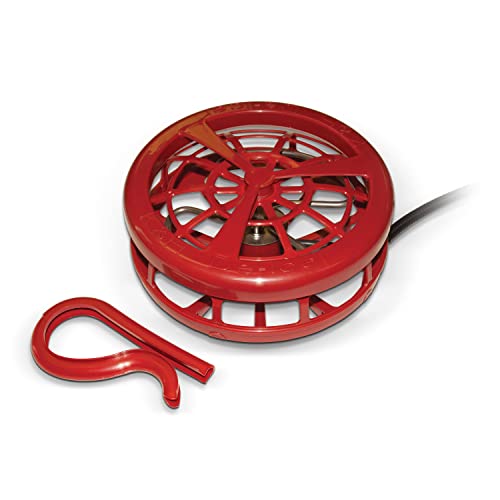
The K&H 500W stock tank heater uses an automatic thermostat to turn on and off as needed, reducing energy use while preventing freezing. It is designed for plastic, rubber, and metal tanks and includes a full protective cage plus a cord clip for secure placement. Best for: farms needing a balanced, energy-efficient deicer that can operate as either a floating or submersible heater. Caution: ensure the cage is intact and the cord clip is securely fastened to prevent animal contact or entanglement.
K&H Pet Products Stock Tank & Pond Heater, 750W
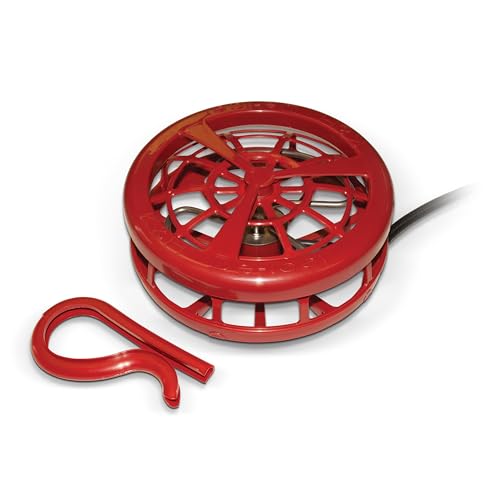
This 750W model provides more heating power for larger troughs or deeper tanks, while maintaining ease of use through thermostatic control. It remains versatile as a floating deicer or submersible heater and includes the same protective cage and cord clip. Best for: households or small farms with larger tanks that need quicker recovery from freezing. Limitation: higher wattage means slightly more energy use in very cold, long-duration COOPs—monitor energy needs accordingly.
API Miller Floating 1500W Livestock Heater

This 1500W floating deicer is designed to keep a pond or stock tank from freezing in winter, with a rugged float that stays on the surface. Best for: livestock ponds or larger stock tanks in regions with heavy frost. Caution: ensure compatibility with the tank size (100–300 gallons) and confirm the unit remains buoyant and properly oriented for optimal heat distribution.
K&H Pet Products Stock Tank & Pond Heater, 250W
The 250W option provides a lower-power alternative for smaller tanks or milder climates, with the same safety cage and cord clip. Best for: small farms or limited electrical capacity situations where gradual prevention of freezing is acceptable. Limitation: may struggle in deeply insulated or severely cold conditions during peak winter.
Sxmprail Submersible Tank Heater (1500W)

This 1500W unit is designed for Rubbermaid stock tanks, providing thermostatic control and a robust build. Best for: rubber troughs or larger farm tanks requiring a dependable, high-power heater. Limitation: installation may require checking the drill or drain hole size on the tank to ensure proper fit and function.
Buying Guide
Key considerations when choosing a cattle trough water heater:
- Tank type and size: Match the heater wattage and design (floating, submersible, or both) to your trough capacity and material.
- Power and energy use: Higher wattage (like 1500–3500W) heats faster but consumes more electricity. Consider climate and tank depth when deciding.
- Installation and safety: Look for a protective cage, cord management, and thermostatic control to prevent overheating and ensure animal safety.
- Durability and build: Stainless steel or aluminum housings resist corrosion; verify suitability for outdoor use and exposure to livestock.
- Maintenance: Easy access for cleaning and inspection helps extend life and reliability during winter months.
FAQ
- Do these heaters work in plastic, rubber, and metal tanks? Yes, many are designed to be safe for all common stock tanks and include protective cages.
- Should I choose a floating or submersible heater? Floating deicers are simple and versatile; submersibles provide direct heating and can dock into specific tank setups.
- What size tank is appropriate for 1500W units? Typically 100–300 gallon tanks are a good fit, but verify manufacturer recommendations for your model.
- Can I use multiple heaters in a large trough? It’s possible but ensure they are positioned to avoid electrical overload and evenly distribute heat.
Add a Comment