Brazing rods with flux provide strong, clean joints for common metal repairs and fabrication. This guide highlights five top options suited for DIYers and hobbyists, covering steel, copper, cast iron, aluminum, and mixed metal projects. Choose based on the base metals you work with, the heat source you use, and how portable or user-friendly you need the setup to be. The selections below balance ease of use, flux quality, and reliability for everyday metalwork.
| Product | Brand | Best For |
|---|---|---|
| Bernzomatic Bronze Flux-Coated Brazing Rods | Bernzomatic | General repairs on steel, cast iron, and copper |
| Vouyar Flux Coated Brazing Rods | Vouyar | Cross-metal brazing with flux coating |
| All Metal Brazing Rods | ouwinway | Versatile all-metal repairs with built-in flux |
| SÜA RBCuZn-C Flux Coated Bronze Rods | SÜA | Bronze joints with low fuming and wide compatibility |
| Forney Flux Coated Bronze Brazing Rod | Forney | Bronze brazing with easy handling for various metals |
Bernzomatic Bronze Flux-Coated Brazing Rods

The set includes four 12-inch rods designed for everyday repairs on steel, cast iron, and copper. Features include easy handling, durable construction, and U.S. manufacturing. Best for hobbyists working with common home metal projects who want reliable performance without specialized equipment. Caution: flux coating simplifies use but joints still require clean surfaces for optimal bonding.
Vouyar 20 Sticks Flux Coated Brazing Rods
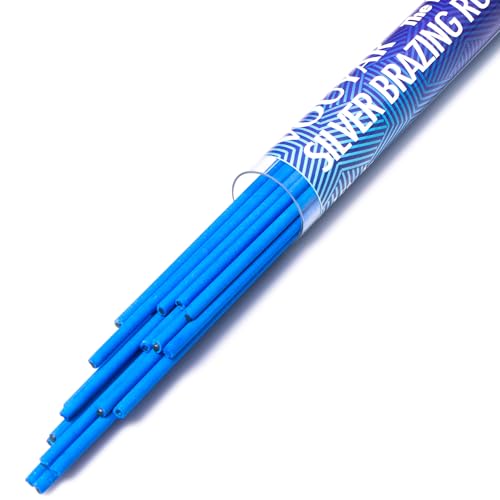
These flux-coated rods are aligned with AWS A5.8 Class BCuP-5 and offer a versatile solution for cross-metal brazing. The flux coating improves wetting and bonding, reducing preparation time. Best for HVAC work, refrigeration components, and appliances where a quick, clean joint matters. Limitation: ensure surface cleanliness to maximize flux benefits and bond strength.
All Metal Brazing Rods, 1/16″ x 13″

These flux-core rods provide a convenient self-contained flux solution, streamlining brazing for steel, cast iron, copper, brass, and stainless steel. Works well with propane torches and is suitable for DIYers who want to minimize equipment. Best for general purpose repairs at home; consider a higher-strength alloy for critical joints. Caution: flux-core design may be less forgiving for very dirty joints than separate flux methods.
SÜA RBCuZn-C Low-Fuming Bronze Rods

Low-fuming bronze rods designed for oxyacetylene brazing with broad metal compatibility, including copper alloys and carbon steel. Features balanced copper-zinc-tinish composition for machinable, strong deposits. Best for projects where minimizing fume is valued and multiple metals are joined. Limitation: main image may not reflect exact per-pound quantity; verify packaging details before purchase.
Forney 48490 Flux Coated Bronze Brazing Rod

3/32-inch by 18-inch bronze brazing rods with flux coating, designed for ease of use on common metal joints. Best for beginners and workshop projects where straightforward brazing workflow is preferred. Caution: product notes indicate production origin may be China; users should consider local manufacturing preferences and consistency in rod diameter for precise joints.
Buying Guide
What metals will you join? Different rods suit steel, cast iron, copper, brass, or aluminum. For cross-metal joints, look for flux coatings that promote wetting and bonding. Consider flux-core designs for convenience, but separate flux can sometimes deliver cleaner joints on dirty surfaces.
What torch and settings will you use? Most flux-coated bronze rods work with standard handheld torches (propane or MAPP gas). For aluminum-only repairs, select rods specifically formulated for aluminum. Check melting points and recommended operating temperatures to avoid overheating thin sections.
Rod diameter and length matter. Thicker rods (e.g., 1/16″ to 3/32″) provide stronger joints but require more heat. Longer rods can simplify continuous brazing on larger joints. Ensure the rod size matches the joint gap and your torch’s heat output.
Flux quality and coating design influence joint quality. A high-quality flux improves oxide removal, wetting, and bonding. Fluids that minimize fuming are advantageous in indoor or enclosed spaces. If working with critical pressure or load-bearing parts, verify compatibility with the base metals and service conditions.
Ease of use and accessibility. Self-fluxing or flux-core rods reduce prep time for beginners, but may produce more fumes or require careful cleanup. For experienced users, separate flux can yield very clean, precise joints on challenging alloys.
Frequently Asked Questions
- What is flux-coated brazing rod best used for?
Flux-coated brazing rods simplify joint formation by providing flux directly in the rod, aiding oxide removal and wetting during heating.
- Can I braze aluminum with bronze rods?
Only if the rods and flux are specifically designed for aluminum brazing. Aluminum requires specialized alloys and compatible flux.
- Is flux coating always necessary?
No. Some all-metal or self-fluxing rods are designed to work with minimal surface preparation, but proper cleaning generally improves bond strength.
- Which rod diameter should I choose for thin-walled joints?
For thin walls, use smaller diameters (around 1/16″) to avoid excessive heat input and distortion.
- Do flux-coated rods require post-cleanup?
Yes. After brazing, wipe away any flux residues to prevent corrosion or staining of joints.
- Are there safety considerations when brazing with flux rods?
Always work in a well-ventilated area, wear eye protection, and handle hot joints with appropriate tools to prevent burns.
Add a Comment