Looking for a reliable block of stainless steel to support stamping, shaping, and metalwork? This guide highlights five durable bench blocks designed for jewelry making, metal stamping, and general metalworking. Each option targets different needs—from no-rebound performance to surface finishes ideal for delicate work. Read on to find the best fit for your studio, whether you’re a hobbyist, an artisan, or a professional jeweler.
| Product | Best For | Key Benefit |
|---|---|---|
| SE 6″ x 6″ x 3/4″ Bench Block | General stamping and texturing | Hardened stainless steel surface with precision-ground finish |
| HimaPro Hardened Steel Bench Block 4″ x 4″ | Jewelry making and small-scale metalwork | Smooth polished faces, chamfered edges for clean contact |
| PATIKIL 30x50x10mm Steel Block | Jewelry making and stamping tools | Solid steel, high hardness, smooth surfaces |
| OWDEN Professional Steel Bench Block 3″ diameter | Round stamping and non-rebound baseline | Mirror-polished steel with chrome plating |
| BESTNULE Professional Steel Bench Block 3″ diameter | Heavy stamping and shaping tasks | TPR-backed bottom for shock absorption and safety |
SE 6″ x 6″ Bench Block – Hardened Stainless Steel Surface
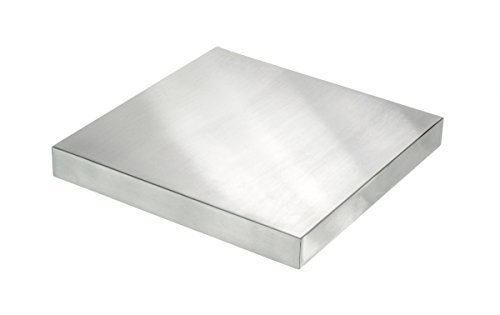
Product highlights: Generous 6″ x 6″ work surface, hardened stainless steel, precision-ground surfaces for consistent stamping results. Best for larger jewelry pieces or metalwork that require ample workspace. Suitable for stamp work, flattening, and shaping with stable contact. Aids in achieving uniform impressions, thanks to its solid construction and corrosion resistance.
Best for: Hobbyists and professionals needing a wide, durable surface for stamping and texturing. Avoid this if you require a very small or ultra-light block for travel.
Caution: The block is heavy; use proper support when working to avoid wrist strain or misalignment during long sessions.
HimaPro Hardened Steel Bench Block, 4″x4″

Product highlights: Flat, hardened workface with smoothly polished, ground-flat surfaces. Chamfered edges reduce sharp contact areas for cleaner stamping and comfortable handling. Solid steel construction withstands direct hammering for metal shaping and planishing. Crossover use for leather stamping and related bench work is possible.
Best for: Jewelers and small-scale metalworkers who need precise contact planes and a comfortable, stable base. Choose this if you want minimal rebound and a uniform finish. Caution: Edges are chamfered; ensure alignment to avoid mis-staking or mis-stamping.
PATIKIL 30x50x10mm Steel Bench Block

Product highlights: Precision-ground 30x50x10mm steel block with smooth, polished surfaces. High hardness enhances wear resistance while maintaining a compact footprint. Suitable for jewelry making, stamping, wire hardening, and metal shaping. Provides solid support for repeated hammering without displacement.
Best for: Small workshop setups that need a dense, durable block for multiple stamping tasks. Choose this if you want a lightweight, easy-to-maneuver option with stable performance. Caution: The small size limits working area for larger projects.
OWDEN Professional Steel Bench Block (No Rebound), 3″ Diameter

Product highlights: Round 3″ diameter steel block with mirror finish and chrome plating. No rebound design paired with a soft plastic base reduces vibration and protects delicate pieces. Ideal for ring stamps, lettering, and smaller metal projects that require precise contact with minimal rebound.
Best for: Jewelers and hobbyists who prefer a round contact area and reduced bounce. Avoid this if you need a large square stamping surface for broad tag or sheet work.
BESTNULE Professional Steel Bench Block, 3″ with Rubber Base

Product highlights: Industrial-grade hardened carbon steel with a thick rubber rubberized bottom to absorb impact. The surface is polished and Chrome plated to enhance durability and contact quality. Suitable for stamping blanks, jewelry tags, flattening, shaping, and layout work across various metals.
Best for: Users needing extra shock absorption and a stable base during stamping sessions. Better for heavier stamping tasks and when protecting delicate pieces from rebound. Caution: Rubber bottom adds some height; account for workspace clearance.
Buying Guide: Choosing the Right Stainless Steel Bench Block
- Surface area and shape: Larger blocks offer more stamping space; round blocks excel for small, precise stamps, while square or rectangular blocks are versatile for broader work.
- Hardness and finish: Hardened stainless steel and a smooth, ground surface improve accuracy and extend life. Polished faces help with light reflection and consistent contact.
- No rebound vs rebound: No-rebound designs reduce bounce during stamping, improving control for tiny or delicate impressions. Traditional blocks may rebound more, requiring steadier hands.
- Base and vibration: Blocks with rubber or soft bases dampen vibration, protecting pieces and the user’s hands. Consider workspace clearance for added height or bulk.
- Size and portability: For studio setups, choose larger blocks for efficiency. For mobile work, lighter and smaller options are preferable.
- Best-use pairing: Match block shape and size to typical project types—face stamping, texturing, planishing, or jewelry tags—to maximize accuracy and comfort.
Frequently Asked Questions
- What is a bench block primarily used for?
– It provides a stable work surface for stamping, flattening, shaping, and planishing metal pieces, improving accuracy and efficiency. - Why choose a no-rebound bench block?
– No-rebound designs minimize movement on impact, giving better control for small or intricate stamps. - How does surface finish affect stamping?
– A smooth, hardened surface reduces wear on stamps and leads to more consistent impressions. - Is size important for stamping?
– Yes; larger blocks offer more working space, while smaller blocks are easier to maneuver in tight setups. - Should I pick a round or square block?
– Round blocks are convenient for smaller, circular stamping tasks; square blocks provide a flat, wide surface for broader work. - What should I consider about the base?
– A rubber or cushioned base reduces vibration, protecting both pieces and hands during stamping.
Add a Comment