Answering the right questions for buyers seeking aircraft cleaning and degreasing solutions. This guide highlights top products for removing soot, grease, and grime from exterior surfaces, engines, and metal finishes. It’s ideal for aircraft owners, detailers, and maintenance personnel who want effective, non-corrosive formulas. Below, five carefully chosen products are analyzed for who they’re best for, plus practical buying tips. A quick summary table helps compare core attributes at a glance.
| Product | Best For | Type | Key Benefit |
|---|---|---|---|
| RealClean Exhaust Soot Remover (32 oz) | Boarkeers needing soot removal on painted/metal surfaces | Spray | No water needed; safe for aircraft surfaces |
| Jet Stream Ultra Magnum Degreaser (1 gal) | Heavy degreasing on engines and airframes | Degreaser | |
| RealClean Aviation Degreaser (16 oz) | Professional detailers targeting turbine props | Spray | |
| Simple Green Extreme Aircraft Cleaner (5 gal) | Large-scale maintenance with metal/plastic surfaces | Cleaner/Degreaser | |
| Jet Stream Quick Turn Exterior Detailer (32 oz) | Light contamination and finishing touch-ups | Spray & Wipe |
RealClean Exhaust Soot Remover / 32 oz Spray Bottle
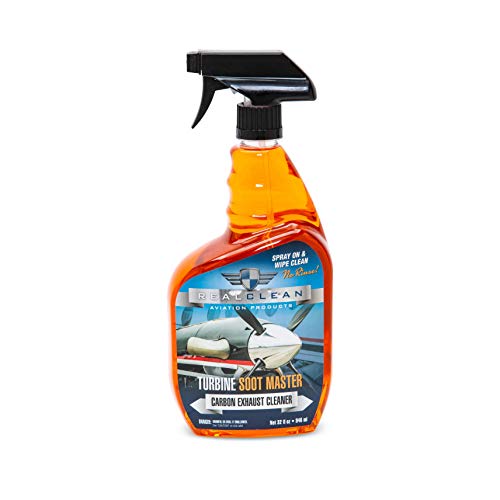
Features: Remove carbon soot from painted and metal surfaces. NO water necessary—spray and wipe. Boeing certified and non-corrosive formula.
Best for: Aircraft maintenance teams and operators who need quick soot removal without water. The no-rinse approach reduces downtime and is ideal for on-tarmac touch-ups. Use on exterior panels and engine cowlings where soot buildup is common.
Caution: Test on a small area first to confirm compatibility with sensitive finishes. Do not apply on non-painted surfaces without verification.
Jet Stream Ultra Magnum Multi-Purpose Degreaser / 1 US Gallon

Features: Non-corrosive degreaser that removes stubborn soils such as oil, grease, and bugs. Suitable for exterior and engine areas.
Best for: Operators needing a versatile, high-volume degreaser for heavy soils and pre-wash prep. Better for larger maintenance tasks or fleets that require robust degreasing power.
Limitation: Aimed at tougher soils; ensure compatibility with sensitive coatings or rubber seals before broad application.
RealClean Aviation Degreaser / 16 oz

Features: Aviation’s #1 Carbon Soot Remover and Degreaser; Boeing certified and safe for metal and painted surfaces. Designed by detailing professionals for turboprop aircraft.
Best for: Detailers focusing on turbine-powered aircraft where soot and carbon buildup are common and finish preservation is critical.
Limitation: Formulated for turboprop-specific soot; verify compatibility on rare or unusual surfaces prior to full use.
Simple Green Extreme Aircraft Cleaner / 5 Gallon

Features: Precision cleaning and degreasing; removes built-up grime without caustic solvents. Optimized for cleaning structural metal, plastic parts, rubber, and painted surfaces. Non-flammable formula as an alternative to caustic cleaners.
Best for: Large hangar operations and maintenance bays needing a non-flammable, broad-spectrum cleaner compatible with multiple substrates.
Limitation: May require dilution for certain heavy soils; test dilution ratios on a small area before large-scale use.
Jet Stream Quick Turn Exterior Spray & Wipe / 32 oz

Features: Safe and effective for removing light contaminants from aircraft surfaces; helps keep a waxed appearance looking freshly applied.
Best for: Quick on-aircraft detailing between flights or after light contamination; ideal for touch-ups and finishing work to maintain a polished exterior.
Limitation: Not designed for heavy soils or stubborn grime; use a heavier degreaser for deep cleaning tasks.
Buying Guide
What to consider when choosing aircraft cleaning and degreasing products
- Soil type and surface: Identify whether you primarily remove soot, oil, or bugs, and whether you’re cleaning painted surfaces, bare metal, or composite parts.
- Formulation and safety: Prefer non-corrosive, Boeing-certified options when possible. Consider whether a waterless spray is advantageous for on-field use.
- Volume and handling: For fleets or large hangar operations, high-volume options (like 5 gal) reduce refills and downtime.
- Environmental and storage factors: Non-flammable formulas can improve on-site safety and storage compliance.
- Compatibility and testing: Always test cleaners on a small, inconspicuous area before full application to prevent damage to coatings.
- Application method: Sprays, wipes, and dry wash kits vary in labor time and residue. Choose based on crew size and workflow.
Practical tips for selecting products
- Match the product to the task: use soot-focused removers for carbon buildup and heavy degreasers for oil and grease.
- Consider maintenance cycles: lightweight detailers are suitable for quick daily maintenance, while heavy-duty degreasers suit scheduled deep cleans.
- Plan for compatibility: verify that cleaners are safe for painted finishes, aluminum, composites, and rubber seals specific to your aircraft model.
FAQ
- What is the safest cleaner for painted aircraft surfaces?
- Do I need water when using soot removers?
- Can I use heavy degreasers for daily cleanings?
- Which product is best for turboprop aircraft soot?
- Are these cleaners aviation-certified?
- How should I test a cleaner before full use?
FAQ Answers:
- Safest cleaners depend on the finish; look for Boeing-certified and non-corrosive formulas.
- Some soot removers are waterless; follow the product instructions for best results.
- Heavy degreasers are generally for deep cleaning; reserve for scheduled maintenance or stubborn soils.
- For turboprop soot, specialized degreasers and soot removers designed for turbine engines are recommended.
- Many products on this list claim aviation-safe formulations; always confirm with the manufacturer’s guidance.
- Test on a small patch of paint or metal first to ensure compatibility and avoid damage.
Add a Comment