Answering the need for reliable, mid-sized nitrogen storage, these 60 cu ft tanks are ideal for HVAC purging, brazing, leak testing, beverage carbonation, and other inert-gas tasks. This guide highlights five solid choices with easy regulator compatibility and durable construction. Best for professional technicians, manufacturing floors, and on-site beverage setups, these selections balance capacity, portability, and compatibility with CGA580 regulators.
| Product | Use Case | Key Benefit |
|---|---|---|
| 60 cu ft Steel Nitrogen Cylinder (Gancowise) | General inert gas needs | Premium steel, DOT-3AA, CGA580 valve |
| 60 cu ft Steel Inert Gas Cylinder with CGA580 Valve (Varies) | Industrial, multi-gas use | Certified, robust steel, high service and test pressures |
| 60 cu ft Steel Nitrogen Cylinder – CGA580 Valve – DOT Approved (JNAB) | HVAC, beverage, leak detection | Balanced capacity and weight, multi-gas valve |
| 60 cu ft Aluminum Nitrogen Cylinder with CGA580 Valve | Portable nitrogen needs | Aluminum construction, CGA580 compatibility |
| New 60 cu ft Aluminum Helium Cylinder with CGA580 Valve | Helium/nitrogen alternatives | Aluminum, CGA580, durable for site use |
New 60 Cubic Foot Steel Nitrogen Cylinder, DOT Approved Inert Gas Tank
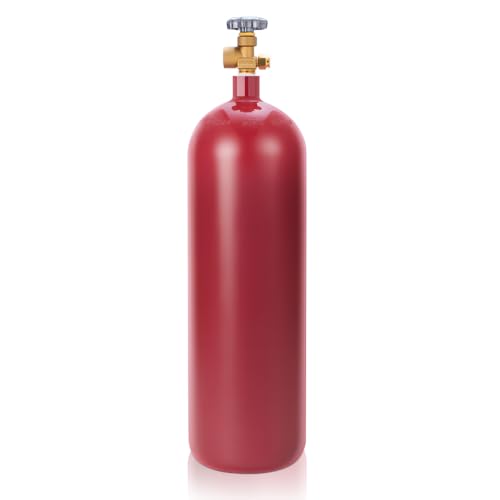
Best for: Industrial manufacturing, welding, HVAC, and beverage applications requiring a sturdy steel cylinder. This DOT-3AA approved tank is designed for demanding environments and connects easily to standard nitrogen regulators via a CGA580 valve. Note that the cylinder ships empty, so plan for immediate filling from a local gas supplier. Reason to choose: high-strength steel yield reliability and broad compatibility with common regulators. Limitation: cylinder ships empty, which adds lead time for initial use.
New 60 cu ft Steel Inert Gas Cylinder with CGA580 Valve

Best for: Industrial setups needing certified performance with a robust steel body and standard CGA580 valve. This cylinder is certified with hydro testing within 12 months and DOT approved, making it a dependable choice for long-term use. Why selected: strong construction and compatibility with multiple inert gases. Caution: verify regulator compatibility with non-nitrogen gases if you plan multi-gas use.
60 cu ft Steel Nitrogen Cylinder – CGA580 Valve – DOT Approved
Best for: HVAC purging, tire inflation, and beverage systems where a mid-size, durable cylinder is ideal. It weighs about 29 lb, offering a good capacity-to-portability ratio for technicians. Why chosen: solid steel build and CGA580 valve support. Limitation: only 60 cu ft capacity—not ideal if you need larger volumes without refilling.
New 60 cu ft Aluminum Nitrogen Cylinder with CGA580 Valve

Best for: Mobile work sites and field technicians needing reduced weight without sacrificing gas capacity. Aluminum construction provides portability alongside CGA580 valve compatibility. Why selected: lighter than steel with reliable CGA580 interface. Caution: aluminum cylinders can be more susceptible to denting if mishandled in tight spaces.
New 60 cu ft Aluminum Helium Cylinder with CGA580 Valve
Best for: Alternative inert gas needs on-site where aluminum offers portability and durability. Although listed as helium, the CGA580 valve supports nitrogen-compatible connections where appropriate. Why chosen: durable aluminum build with CGA580 valve. Limitation: helium designation may imply different internal characteristics; verify fill gas compatibility with your intended use before purchase.
Uniweld 517 Metal Carrying Stand for a 60 Cubic Feet Nitrogen Tank

Best for: On-site mobility and safe storage of a 60 cu ft nitrogen tank. This stand supports balance and transport with two wheels and a center-balanced handle. Why selected: enhances maneuverability and stability for technicians working in tight spaces. Caution: ensure the stand is properly rated for the specific tank model to avoid compatibility issues.
40 cu ft Steel Nitrogen Cylinder – CGA580 Valve – DOT Approved

Best for: Smaller scale tasks or backup supply where 40 cu ft capacity suffices. Why selected: shows the spectrum of CGA580-compatible options and how smaller cylinders compare. Limitation: less capacity than 60 cu ft tanks, requiring more frequent refills for high-demand tasks.
Buying Guide
What to consider when choosing a 60 cu ft nitrogen tank:
- Material: Steel offers maximum durability; aluminum reduces weight for portable use. Choose based on site conditions and handling needs.
- Valve compatibility: All listed options use CGA580, which fits most standard regulators for nitrogen, argon, and related gases. Verify regulator compatibility if using other gases.
- Service and test pressures: Look for higher service pressures (around 2015 PSI) and robust test pressures for long-term reliability. DOT and hydro-test status indicate compliance and safety readiness.
- Portability: Weight and dimensions affect site mobility. Aluminum cylinders are lighter but can be more costly; steel cylinders offer ultimate durability.
- Filling availability: Most 60 cu ft tanks ship empty. Plan for filling at a local gas supplier to ensure timely deployment.
- Accessibility of accessories: A carrying stand or modular regulator setup can improve workflow on job sites. Ensure compatibility with existing equipment.
Frequently Asked Questions
- What is a CGA580 valve? Answer: A CGA580 valve is a standard inlet connection for inert gas cylinders, compatible with many nitrogen regulators and gas mixtures.
- Do 60 cu ft tanks ship full? Answer: Typically they ship empty for safety; you must arrange filling with a gas supplier.
- Can I use these tanks for gases other than nitrogen? Answer: Many are labeled as inert-gas cylinders and are compatible with other inert gases like argon, helium, or CO2/nitrogen mixes, depending on the valve and regulator compatibility. Check the specific product’s compatibility.
- Which tank is best for portability? Answer: Aluminum 60 cu ft tanks are lighter, making them better for field work, though steel variants offer greater durability.
- Is a tank stand necessary? Answer: A stand can improve stability and mobility in workshop or field settings, especially for taller cylinders.
- What should I consider for filling and safety? Answer: Use a certified gas supplier for filling, store and transport cylinders upright, and follow all DOT and local regulations for inert gas handling.
Add a Comment